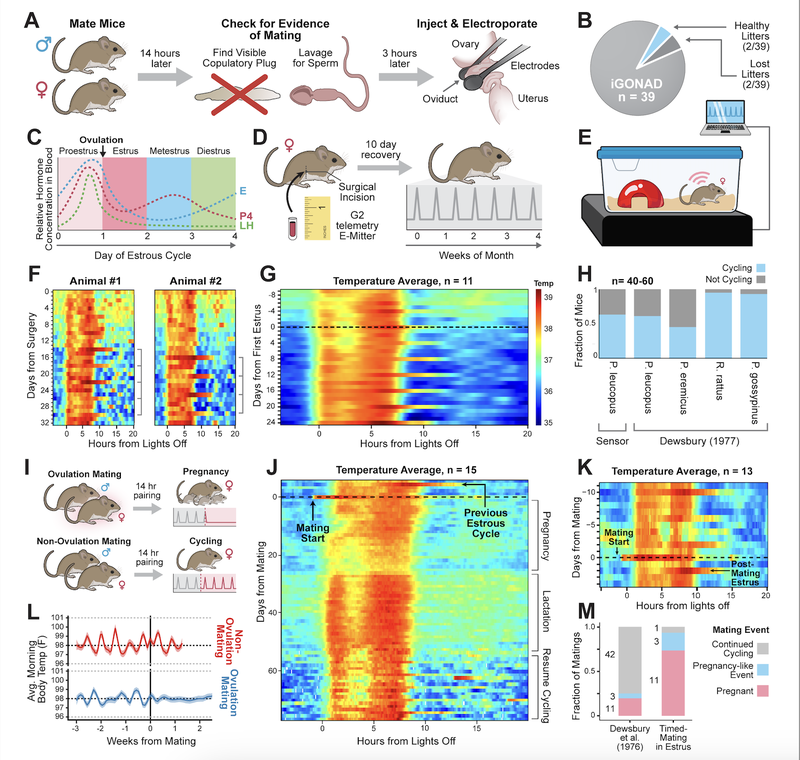
Non-invasive ovulation tracking enables genetic engineering in wild rodents
Academic paper behind the Mice Against Ticks project is published in Cell Reports Methods.
Academic paper behind the Mice Against Ticks project is published in Cell Reports Methods.

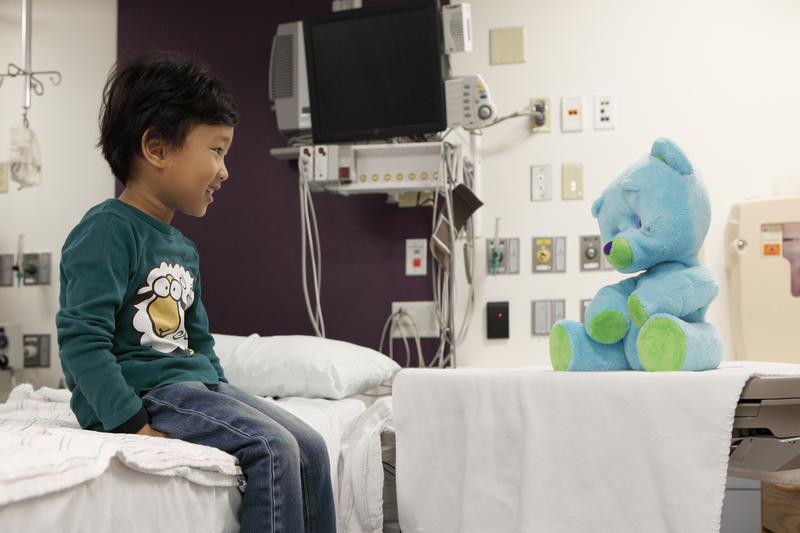
Building intelligent personified technologies that collaborate with people to help them learn, thrive, and flourish.

The 2025 Technology Leadership Circle builds on the momentum of the 2024 Fostering Futures Forum, an event co-hosted with Foster America at the MIT Media Lab in May 2024. This forum provided an unprecedented platform for people who have experienced foster care to brainstorm and propose solutions ai…
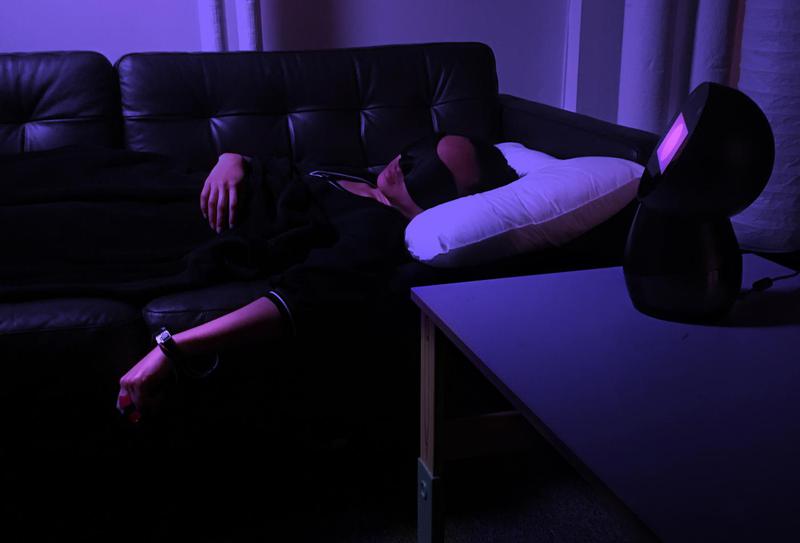
We build technologies that interface with the sleeping mind. We track different sleep-stages using brain activity, muscle tension, heart rate, and movement data and issue sleep based interventions using scent, audio, and electrical stimulation to affect sleep onset, sleep stages, sleep quality, an…

Targeted dream incubation (TDI) is a methodology for guiding (or “incubating”) dreams towards specific themes. Please read the FAQ below to learn more about TDI.We engineered a device to carry out TDI called Dormio. We recently published a study using TDI to understand the link between dreaming and…
WHx 2026 Enabling Grants spotlight five MIT Media Lab projects advancing women’s health research, clinical collaboration, and translation.
MIT WHx builds momentum in women’s health innovation through HEALS grants, UN visibility, and Bloomberg insights on AI and diagnostics.
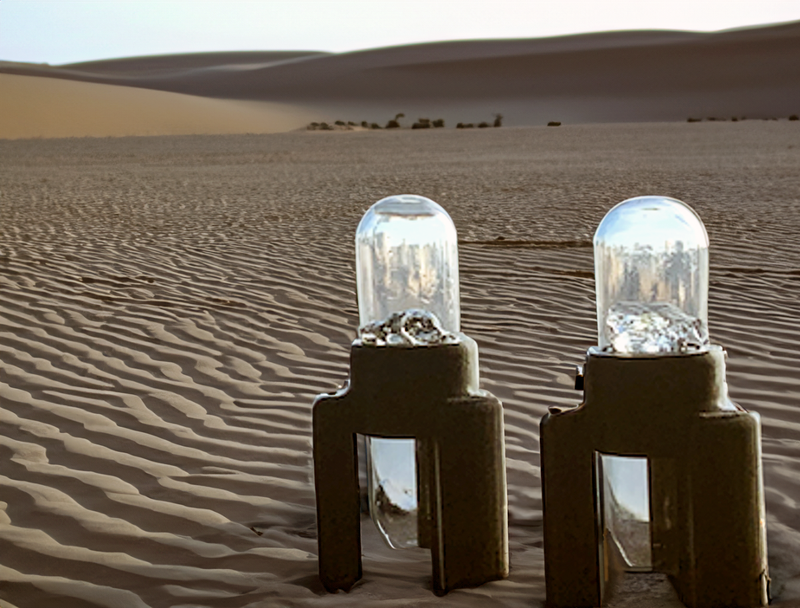
In arid climates, the atmosphere is a source of water, but its extraction is energy-prohibitive.Many countries have arid climates in significant parts of their territory, which severely inhibits their land development and creates harsh humanitarian conditions. Atmospheric water harvesting (AWH) te…
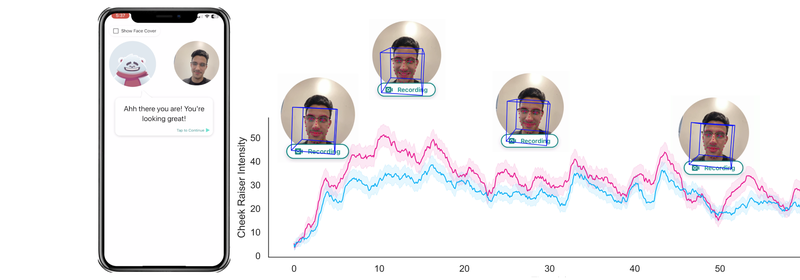
Working with leading neuroscientist Richard Davidson and the Healthy Minds Institute, we are developing objective biomarkers to interpret a person's wellbeing while they interact with our custom Teddy app on their phone. We aim to identify gold-standard objective behavior metrics, such as facial a…

Decentralizing trust and disrupting power structures with cryptographic peer-to-peer exchange and distributed systems

Jessica Rosenworcel explains how MIT Media Lab and WHx use AI, sensors, and wearables to advance women’s health care.
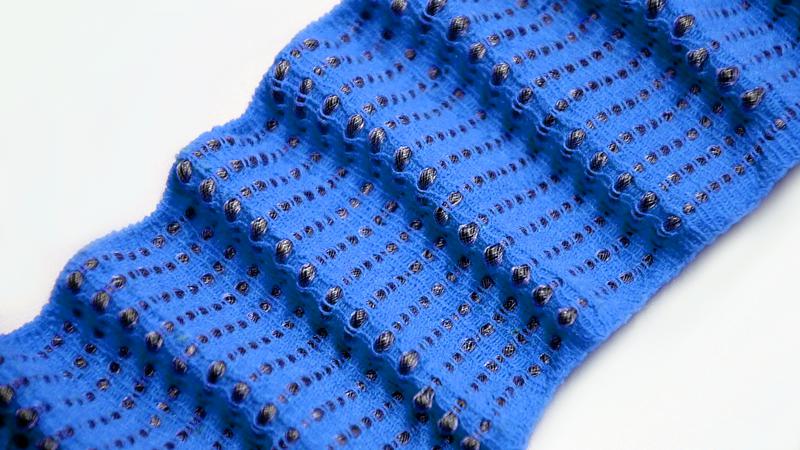
OmniFiber is a reconfigurable fiber technology for movement-based interactions based on thin fluidic fiber actuators with closed-loop strain control. We explore how thinness and sensory capability of artificial muscle-based devices can be utilized by designers to seamlessly weave them into everyday…
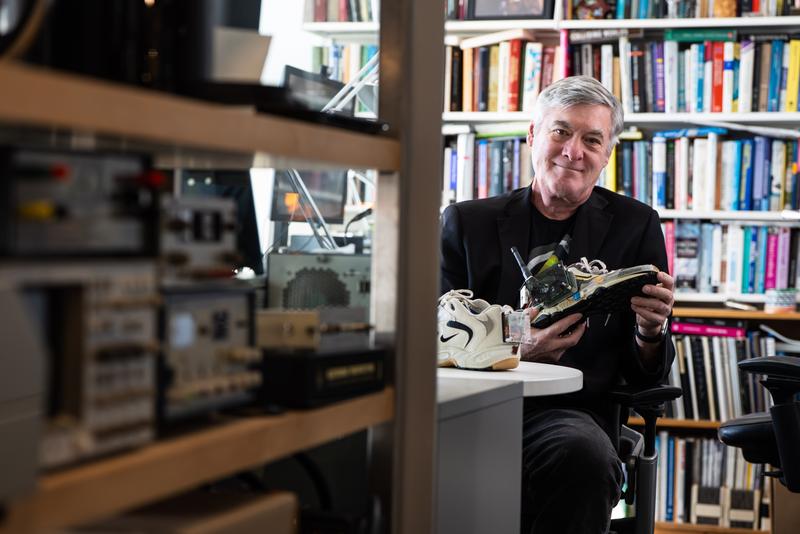
Joseph Paradiso’s sensing research at MIT Media Lab bridges art, medicine, and ecology through wearable sensors and environmental monitoring

“Ultrasound in Women’s Health: Mechanisms, Applications, and Emerging Opportunities” has been selected for Advanced Materials’ Virtual Issue
NEC and MIT Media Lab study wearable sensor data to detect chronic stress in working adults using 250,000+ hours of EDA data.

Life with AI | Designing the future of smart systems to improve the human experience

Future Worlds | Design and action for the future we want to live in
Decentralized Society | Architecting the new internet for the good of the people
Cultivating Creativity | Catalyzing a global movement enabling everyone to unlock and unleash their individual and collective creativity
Connected Mind + Body | Revolutionizing the future of mental and physical wellbeing

Kevin Esvelt spoke with 7News Boston about the “Mice Against Ticks” project and new approaches to preventing Lyme disease.
Stress causes a significant reduction in quality of life, with 37% of adults globally reporting substantial daily stress in 2024. Work is a leading cause of stress. 69% of Americans listed their occupation as a significant source of stress, and more than half of Japanese workers reported extreme wo…