Research
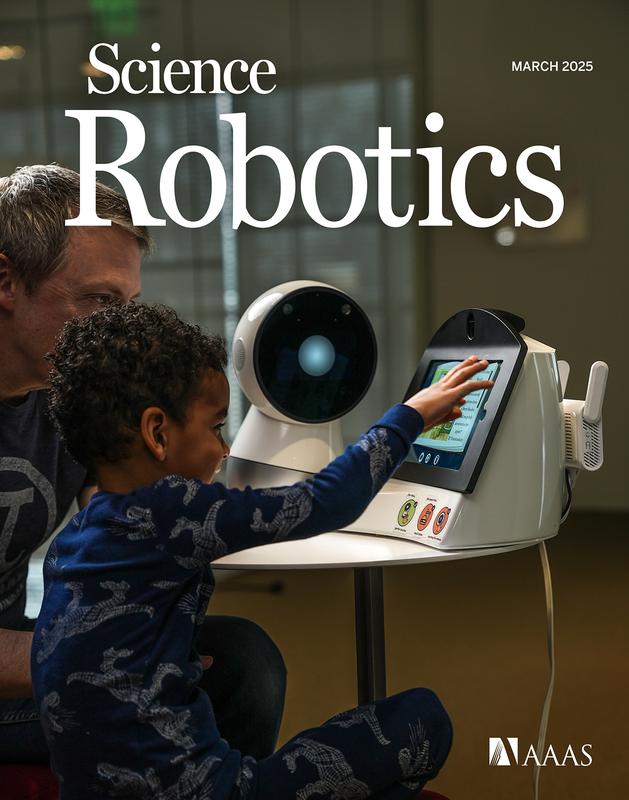
Personal Robots research on front cover of Science Robotics March 2025 issue
The March 2025 cover story for Science Robotics highlights a recent study conducted by researchers in the Media Lab’s Personal Robots group.

Tapis Magique: A Choreomusical Interactive Carpet
Ancient textiles have played a major role in the social, economic, and religious structures of communities around the world. Iconic, indigenous clothes are imbued with unique designs and patterns. Some are believed to have magical powers and designed to carry specific meanings and wishes. Often com…
Legal Storytelling
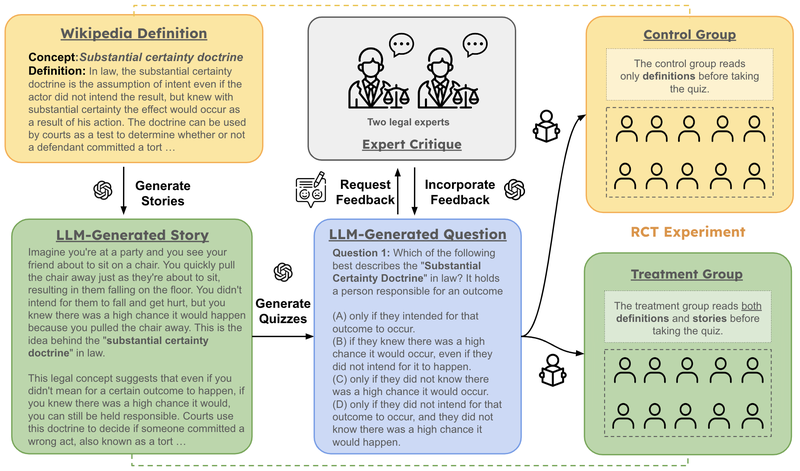
"Leveraging Large Language Models for Learning Complex Legal Concepts through Storytelling," published by the Association for Computational Linguistics (ACL 2024), bridges cutting-edge artificial intelligence (AI) with the ancient wisdom of narrative to democratize legal knowledge. Our research, co…
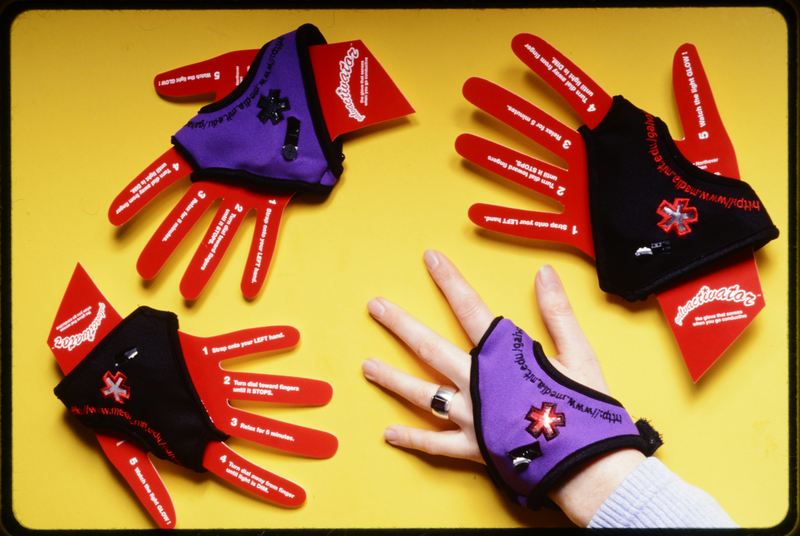
The Science Museum Group collection acquires the Galvactivator
The collection has been growing since 1851, and now comprises 7.3 million items.
Galvactivator
The galvactivator is a glove-like wearable device that senses the wearer's skin conductivity and maps its values to a bright LED display. Increases in skin conductivity across the palm tend to be good indicators of physiological arousal, causing the galvactivator display to glow brightly. The galva…
Fluid Interfaces group research featured as cover story of Computers special issue
The PhD research of alum Guillermo Bernal (Fluid Interfaces group), with current Affective Computing group researcher Nelson Hidalgo (back then a UROP in the Fluid Interfaces group), has been featured as the cover story of a Computers special issue on "Extended or Mixed Reality (AR + VR): Technolog…
Software Agents
How software can act as an assistant rather than a tool, by learning from interaction and proactively anticipating the user's needs
Living Memories: AI-generated characters as interactive digital mementos
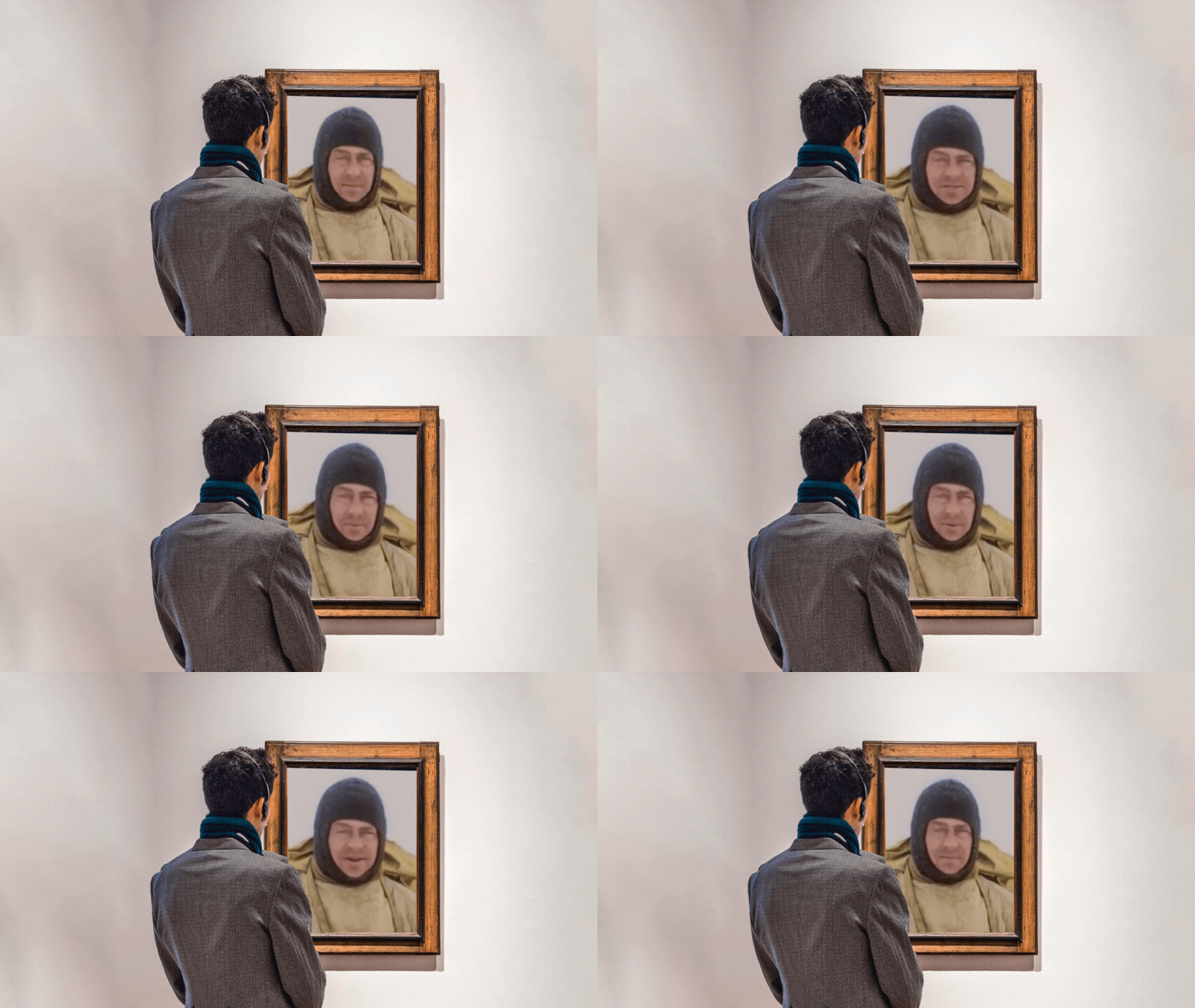
In collaboration with NTT DATAEvery human culture has developed practices and rituals associated with remembering those who have died. We also keep mementos of the deceased, like portraits, photographs, videos and autobiographies. In our work we explore whether such mementos could become interactiv…

Paul Liang joins MIT Media Lab Media Arts + Science Program + EECS/Schwarzman College of Computing as Asst. Professor, AI + Human Experience
Paul Liang joins the MIT Media Lab's Program in Media Arts and Sciences (MAS) and MIT Schwarzman College of Computing with a shared appointment in MIT Electrical Engineering & Computer Science (EECS) as Assistant Professor, Artificial Intelligence (AI) and Human Experience starting September 1, 202…
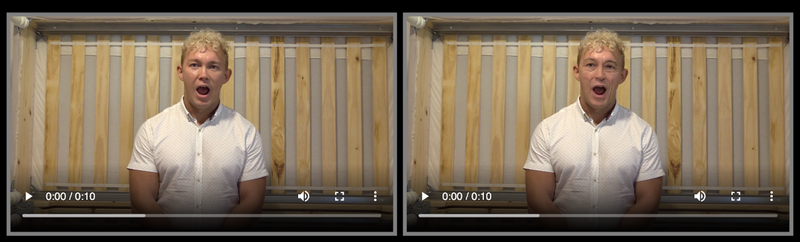
Detect DeepFakes: How to counteract misinformation created by AI
See for yourself how accurately you can identify AI-generated images at the DetectFakes Experiment and if you want to learn to spot deepfakes, please check out our recent paper on How to Distinguish AI-Generated Images from Authentic PhotographsYou can find more of our work at publications in PNAS,…

AstroAnt
"Autonomous operations are critical for the success, safety, and crew survival of NASA deep space missions beyond low Earth orbit, including Gateway." Building on our team’s prior work in the on-body miniaturized robotic swarm, we propose a suite of autonomous robotic swarms for spacecraft assembly…
An EEG and motion-capture based expressive music interface for affective neurofeedback
This project examines how the expression granted by new musical interfaces can be harnessed to create positive changes in health and wellbeing. We are conducting experiments to measure EEG dynamics and physical movements performed by participants who are using software designed to invite physical a…
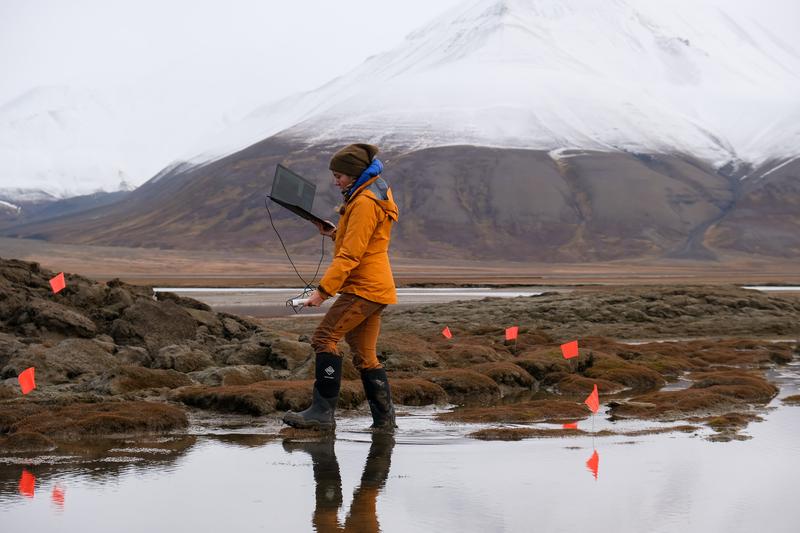
Capturing the Moon: Assessing virtual reality for remote Lunar geological fieldwork
Cody Paige, MIT AeroAstro Contributors: Ferrous Ward, MIT AeroAstro; Don Derek Haddad, ResEnv; Jess Todd, MIT AeroAstro
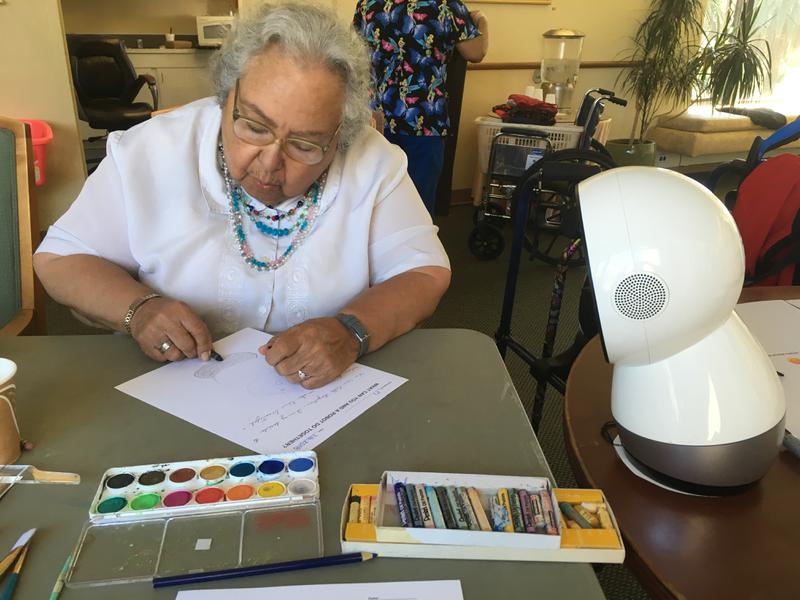
Social robots as social catalysts: Collaborating with older adults as design research partners
When they’re valued as design research partners, older adults feel empowered to contribute to technology design.
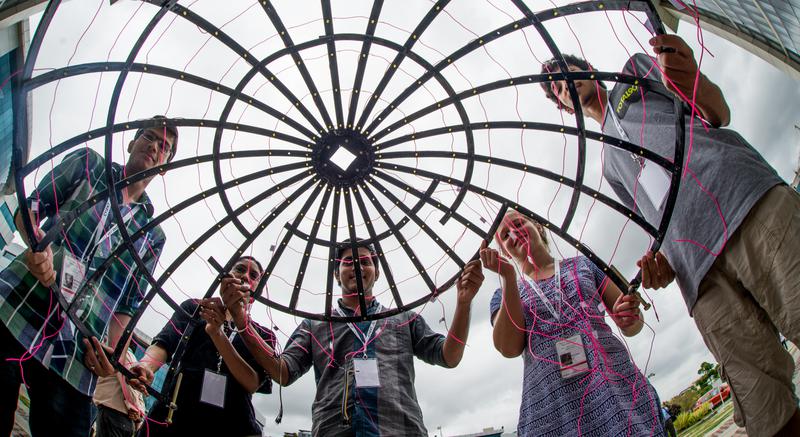
Emerging Worlds
Emerging Worlds

Essence Wearables: Biometric Olfactory Interfaces for Day and Night
Human-computer interaction (HCI) has traditionally focused on designing and investigating interfaces that provide explicit visual, auditory, or haptic feedback. We propose a new type of user interface that uses smell as an implicit, less conscious output that still influences the person's cognition…

Dormio: Interfacing with Dreams
InspirationSleep is a forgotten country of the mind. A vast majority of our technologies are built for our waking state, even though a third of our lives are spent asleep. Current technological interfaces miss an opportunity to access the unique, imaginative, elastic cognition ongoing during dreams…
Trusting ChatGPT helps to improve it
In El País, researchers from Fluid Interfaces discuss their study that found users' beliefs about a chatbot influenced their interactions.
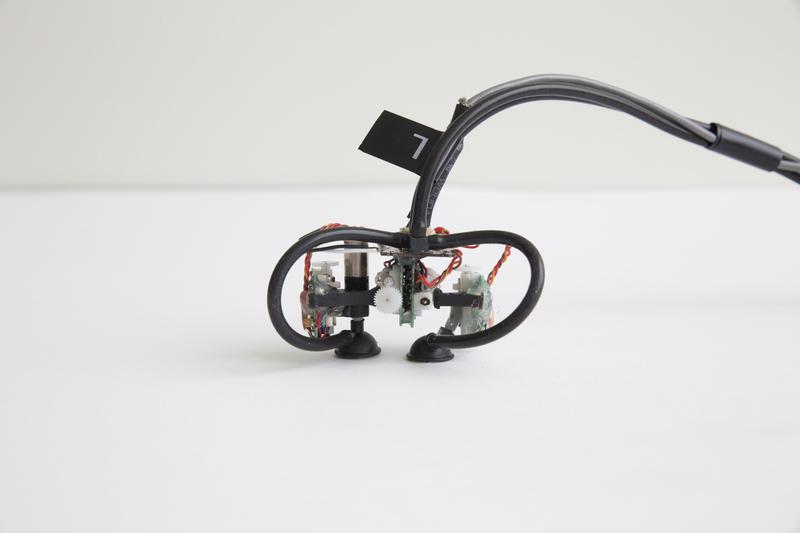
SkinBot: A wearable, skin-climbing robot
We introduce SkinBot: a lightweight robot that moves over the skin's surface with a two-legged suction-based locomotion mechanism and captures a wide range of body parameters with an exchangeable multipurpose sensing module. We believe that robots that live on our skin, such as SkinBot, will enable…
Placebo effect shapes how we see AI
Research from the Fluid Interfaces group finds that users' perceptions of an AI chatbot influence their interactions with the technology.
The assumptions you bring into conversation with an AI bot influence what it says
In Scientific American, PhD student Pat Pataranutaporn talks about how a user's impressions of AI chatbots may influence their interactions.

From MIT to Burning Man: The Living Knitwork Pavilion
Learn about the Living Knitwork Pavilion: an interactive architectural installation that combined textile arts + engineering at Burning Man.
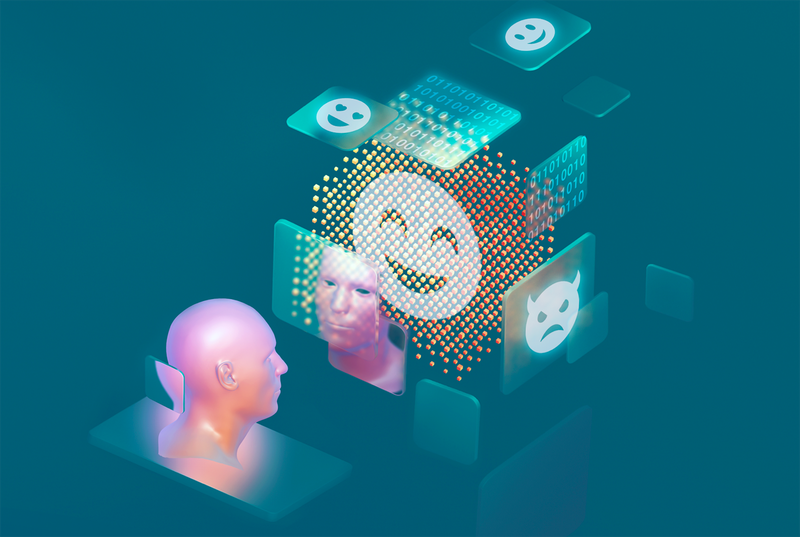
Influencing human–AI interaction by priming beliefs about AI can increase perceived trustworthiness, empathy, and effectiveness
AbstractAs conversational agents powered by large language models become more human-like, users are starting to view them as companions rather than mere assistants. Our study explores how changes to a person’s mental model of an AI system affects their interaction with the system. Participants inte…