
Affective Computing
Advancing human wellbeing by developing new ways to communicate, understand, and respond to emotion
Advancing human wellbeing by developing new ways to communicate, understand, and respond to emotion
Boston Public Schools trains 25 AI Educator Ambassadors with Day of AI curriculum from MIT's RAISE to graduate every student AI literate.
Creating human-AI symbiosis across scales and sensory mediums to enhance productivity, creativity, and wellbeing
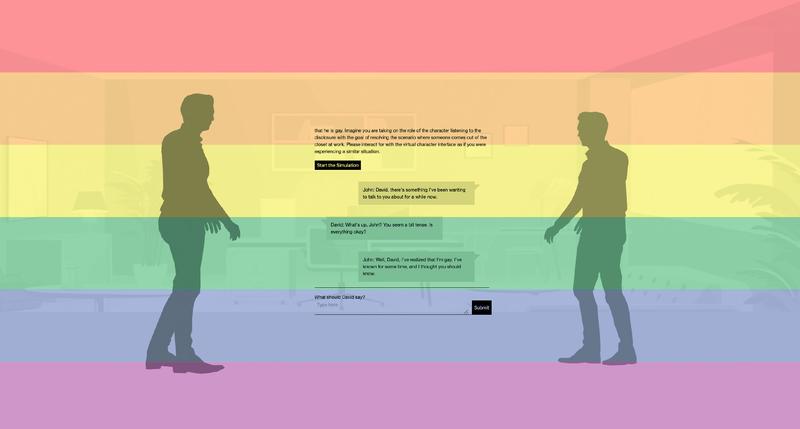
AbstractDespite significant historical progress, discrimination and social stigma continue to impact the lives of LGBTQIA+ individuals. The use of AI-generated virtual characters offers a unique opportunity to facilitate advocacy by engaging individuals in simulated conversations that can foster un…
How to create better online environments and interfaces for human communication.
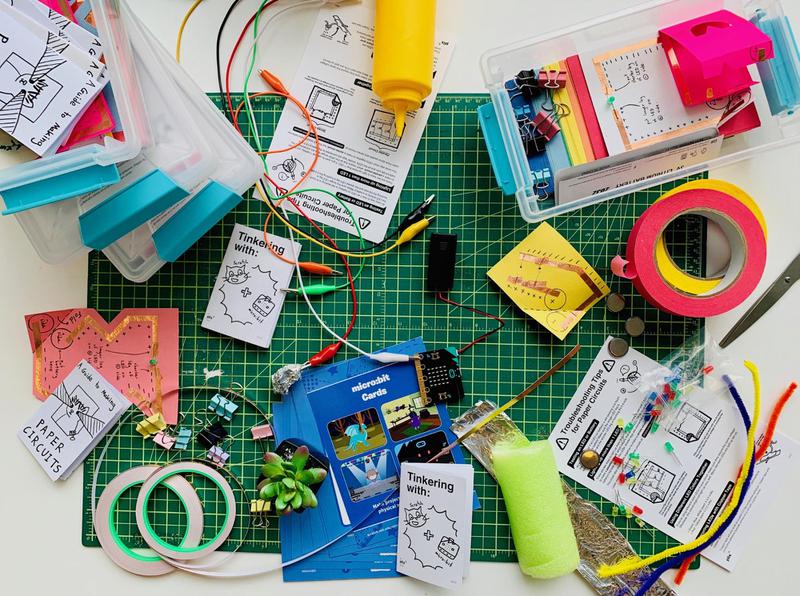
Public libraries are one of most trusted public institutions in the U.S. and increasingly provide a broad range of education services, ranging from early learning programs, to makerspaces, to adult training. Libraries are not storage places for books, but community hubs for social change and innova…

Andorra and the City Science research group at the MIT Media Lab are taking on the challenge of turning Andorra into an “Internationally Recognized Intelligent Country.” The Andorra Living Lab project combines different research topics (tourism, innovation, energy and environment, mobility, dynamic…

Andrew Sliwinski, former codirector of MIT Media Lab's Scratch, on the power of multiple perspectives in learning and business
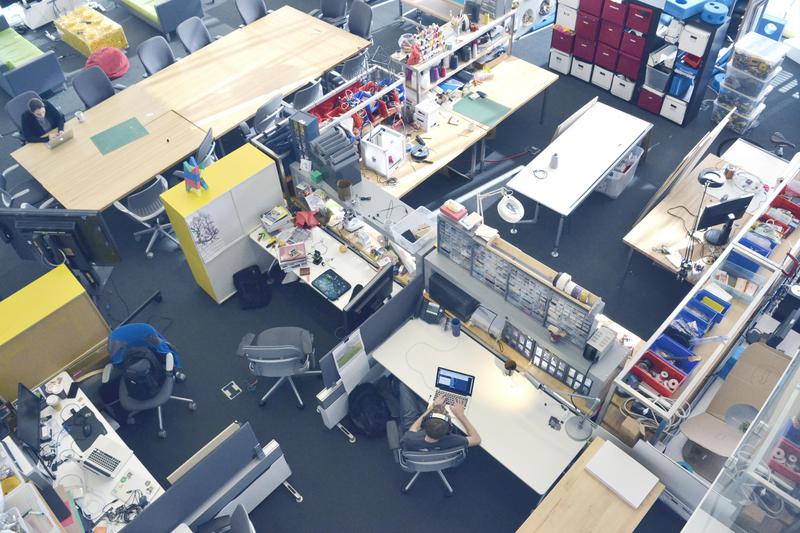
Engaging people in creative learning experiences
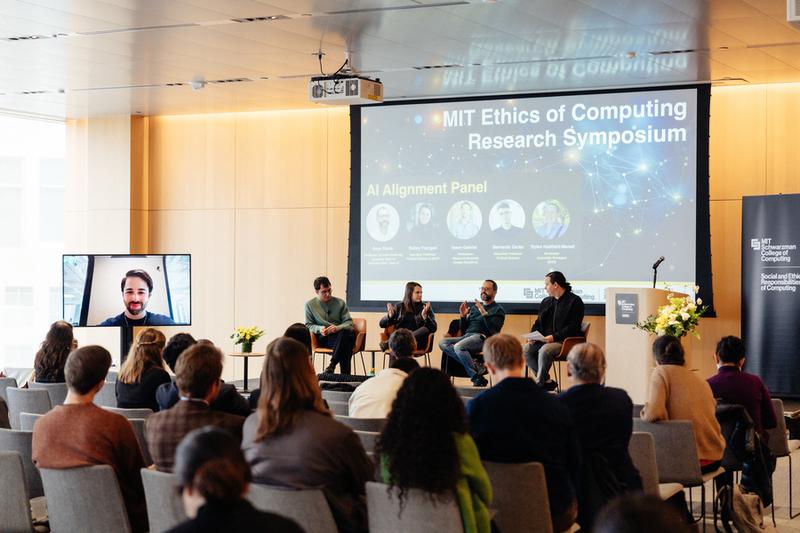
Pat Pataranutaporn joins MIT SERC symposium panelists to argue AI should be designed differently for education and learning.

Full paper (open access)Link to videoNeuroChat is a neuroadaptive AI tutor that combines generative AI with real-time EEG data to create a personalized, dynamic learning experience. Unlike traditional conversational AI, which relies on explicit user input, NeuroChat infers engagement levels directl…


Projects related to the theme of how digital systems may support attention, memory, and learning.

Building intelligent personified technologies that collaborate with people to help them learn, thrive, and flourish.
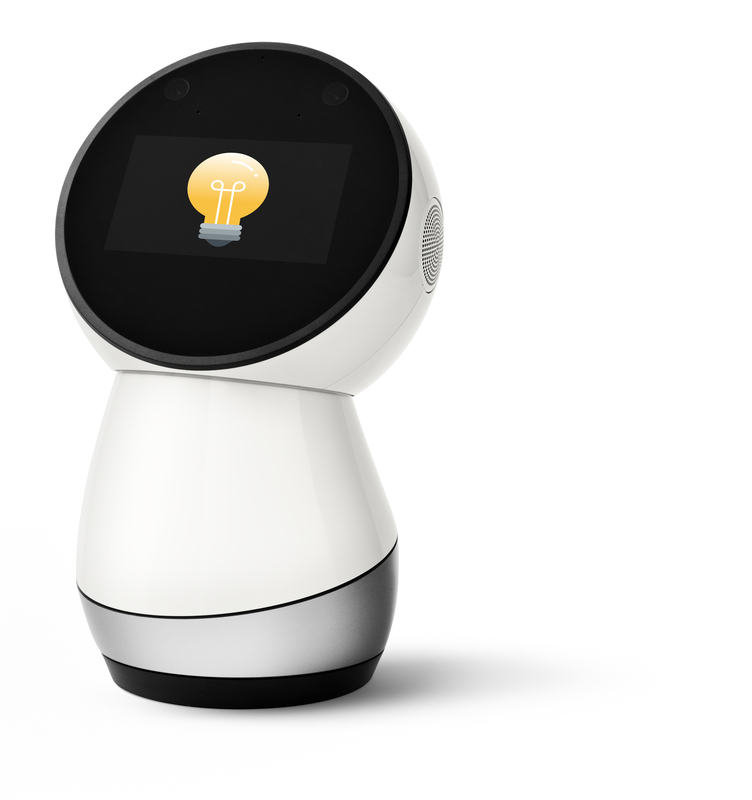
The Jibo Research Platform is an in-the-field deployable Social Robotics experimentation and data collection infrastructure. Built upon the world's first commercial social robot for the home, it extends Jibo's design, hardware, and data security for research purposes.
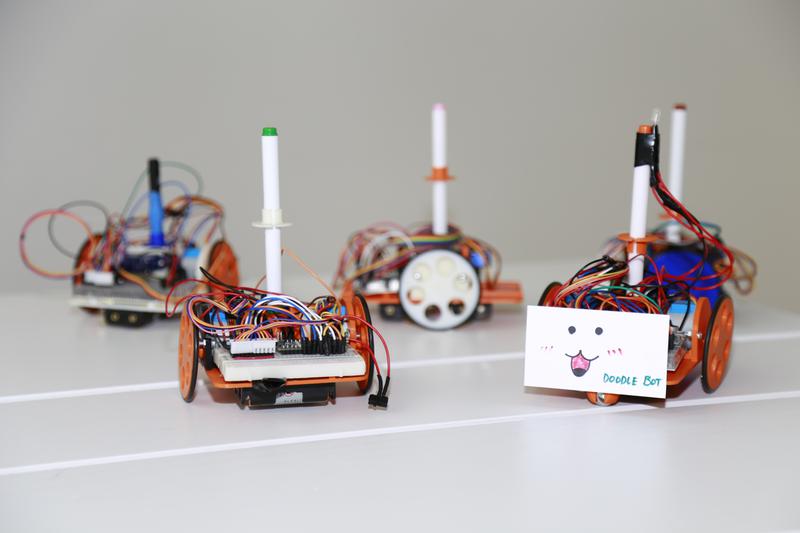
Doodlebot is a robot-based creative AI learning platform for high school students. It consists of an introduction to robotics, hardware, software programming, and machine learning. Students build, program, and train a smart drawing robot.As a part of our broader AI education efforts, we developed …

We build technologies that interface with the sleeping mind. We track different sleep-stages using brain activity, muscle tension, heart rate, and movement data and issue sleep based interventions using scent, audio, and electrical stimulation to affect sleep onset, sleep stages, sleep quality, an…

"We can see the waves forming a tsunami that will come, but most people are just sleeping on a beach unaware"

Targeted dream incubation (TDI) is a methodology for guiding (or “incubating”) dreams towards specific themes. Please read the FAQ below to learn more about TDI.We engineered a device to carry out TDI called Dormio. We recently published a study using TDI to understand the link between dreaming and…
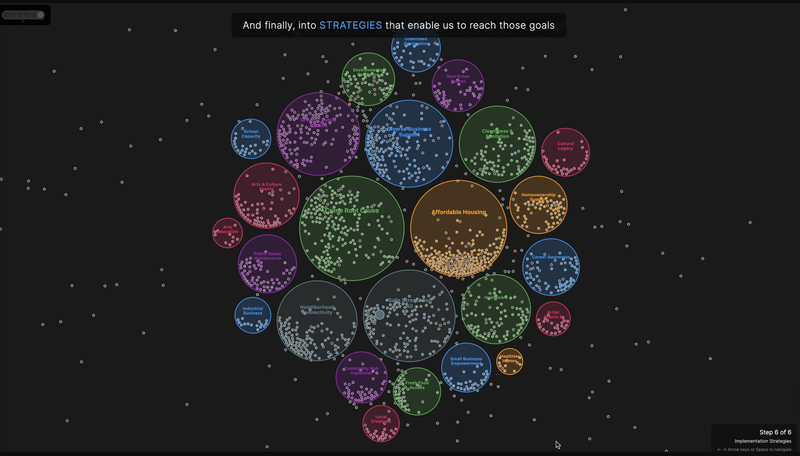
Voice to VisionVoice to Vision (V2V) is a collaborative research and civic technology project that bridges the gap between community voices and public decision-making. Too often, residents share their perspectives in meetings and surveys without ever seeing how their input influenced outcomes. V2V…
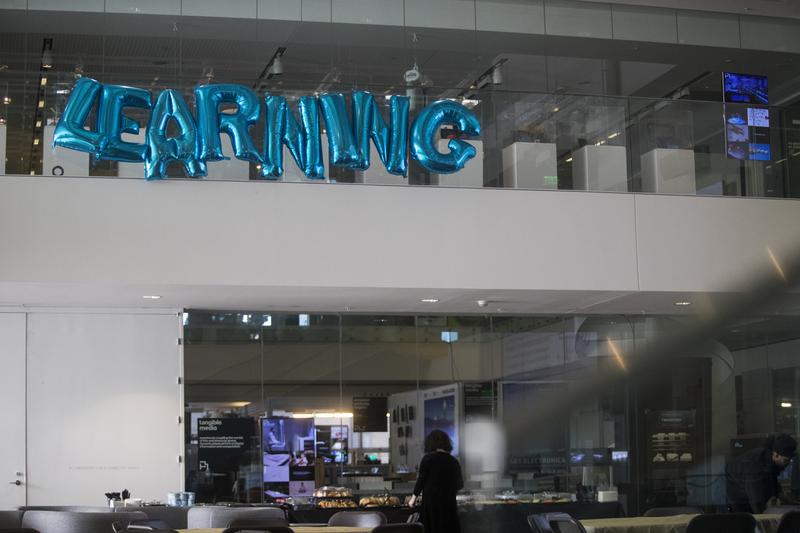
An annual celebration of learning, sharing, making, creating, and debating at the MIT Media Lab.
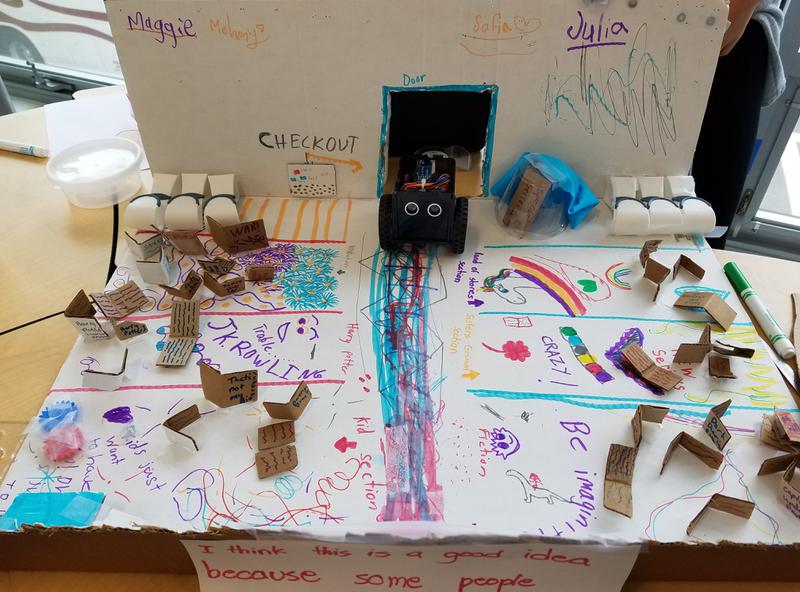
This project is no longer active, but has been rolled over into MIT RAISE and Day of AI's free curriculum for ages 11 to 18.How to Train Your Robot is a middle school AI curriculum for students in 5-8th grade to explore artificial intelligence and ethics. In this course, students participate in a r…
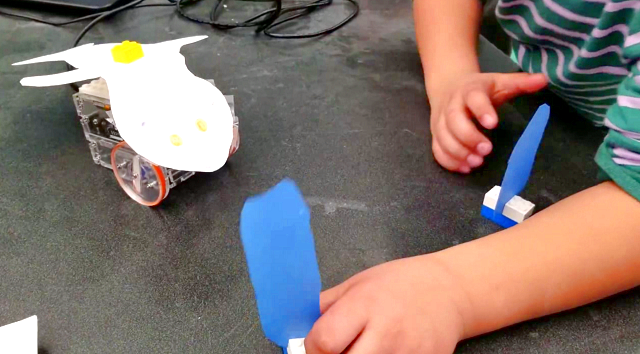
The project is no longer active, and has been rolled over into MIT RAISE and Day of AI's free curriculum for ages 5-7 and 8-10.This Primary School AI curriculum introduces elementary school children to robotics and artificial intelligence. Throughout the curriculum, students have opportunities to r…
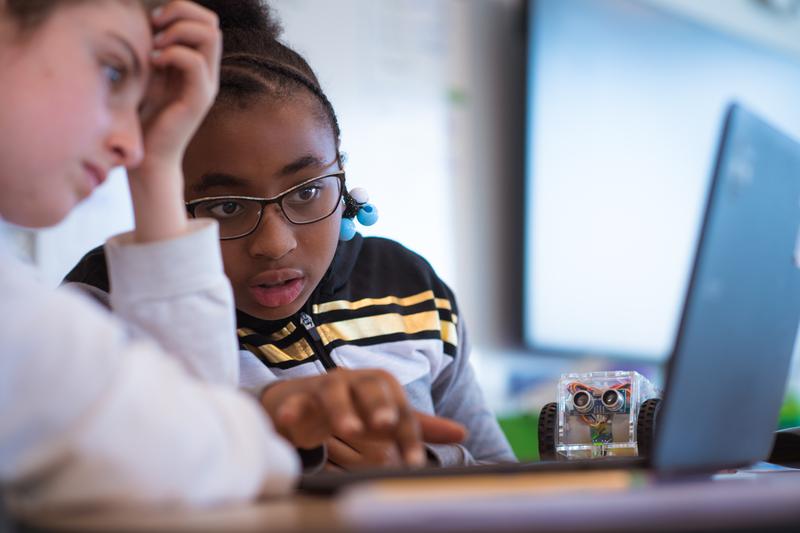
Life with AI | Designing the future of smart systems to improve the human experience