Skip to content

Research

  • The AMI procedure preserved the normal signaling between Jim’s ankle-foot muscles and his brain. When Jim moves his phantom limb, the re-connected muscles move naturally in dynamic pairs, sending proprioceptive information through nerves to his brain.

    Agonist-antagonist Myoneural Interface (AMI)

    Humans can accurately sense the position, speed, and torque of their limbs, even with their eyes shut. This sense, known as proprioception, allows humans to precisely control their body movements. Today’s conventional prosthetic limbs do not provide feedback to the nervous system. Because of this, …

    Biomechatronics

  • Reconfigurable Inflatables Through Controlled Surface Crumpling

    Reconfigurable Inflatables Through Controlled Surface Crumplinghttps://advanced.onlinelibrary.wiley.com/doi/10.1002/advs.202600074TBD Inflatable structures offer remarkable versatility due to their compact storage and rapid deployment, making them ideal for lightweight, quickly assembled, and deplo…

    Tangible Media

  • Design as an Astronaut

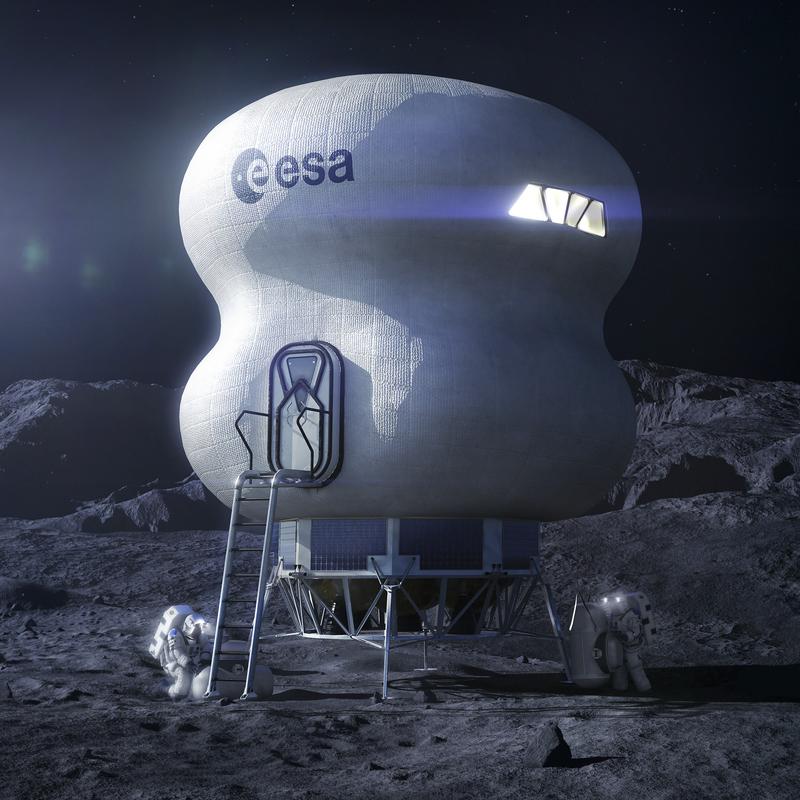
    A vision for human life on the MoonDesign as an Astronaut, presented at 19th International Architecture Exhibition,Intelligens. Natural. Artificial. Collective. curated by Carlo Ratti and organised by La Biennale di Venezia, introduces the Argonaut Habitat Unit — a collaborative project by ESA, the…

    Space Exploration Initiative

  • Space Jellyfish by Valentina Sumini, Marta Rossi, Tommy Nilsson

    Space Jellyfish

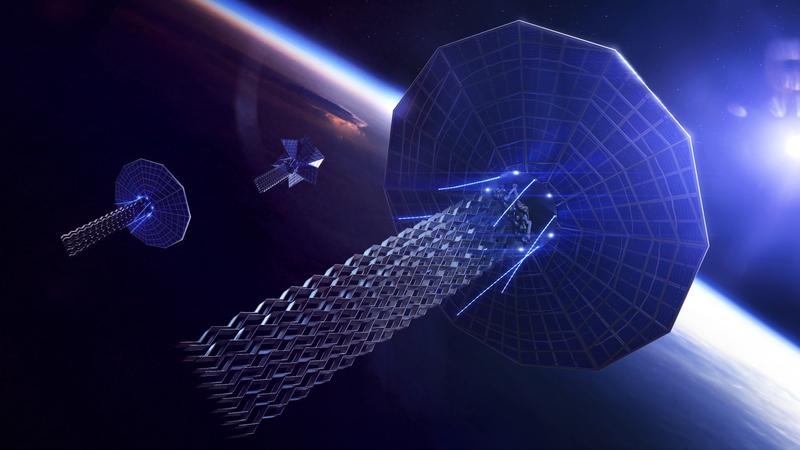
    Space JellyfishOrbital Data Center for Planetary SustainabilitySpace Jellyfish is an orbital data center whose form emerges from energy harvesting, thermal dissipation, and maintainability—borrowing not the appearance, but the metabolic logic of one of Earth’s most efficient organisms.Conceived for…

    Space Exploration Initiative

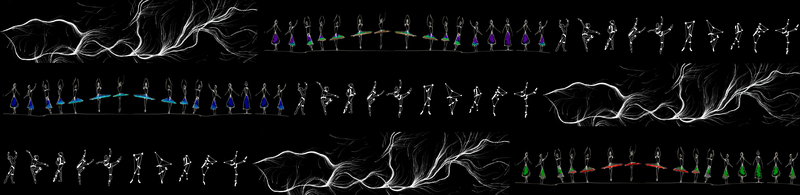
  • Opera of the Future

    Exploring the future of music through AI, multisensory expression, creativity, and sonic healing.

    MIT Media Lab

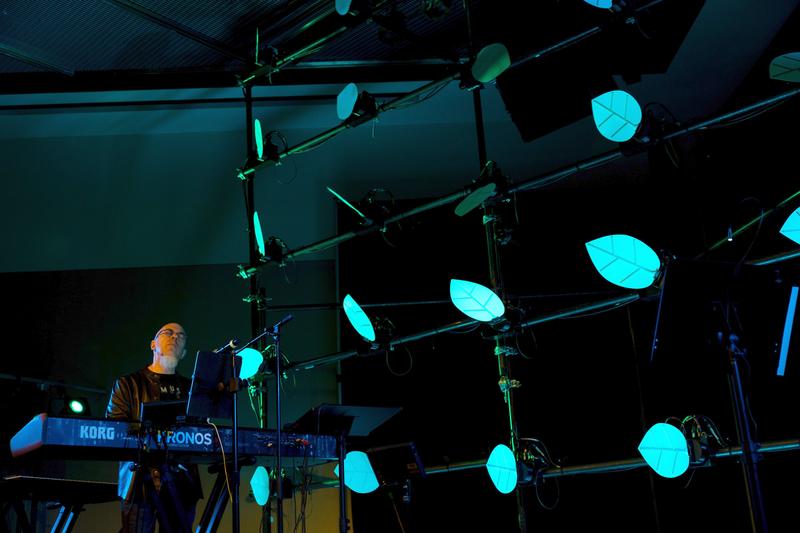
  • GRAMMY-winning keyboardist and technologist Jordan Rudess interacting with the jam_bot on stage

    Jordan Rudess + jam_bot: A Human-AI Musical Dialogue

    The Responsive Environments group at the MIT Media Lab is collaborating with GRAMMY-winning keyboardist and CAST Visiting Artist Jordan Rudess to produce jam_bot, a Generative AI Music System developed with Rudess to support real-time human-AI co-created improvisation, and trained on his playing. A…

    Responsive Environments

  • Affective Computing

    Advancing human wellbeing by developing new ways to communicate, understand, and respond to emotion

    MIT Media Lab

  • Multisensory Intelligence

    Creating human-AI symbiosis across scales and sensory mediums to enhance productivity, creativity, and wellbeing

    MIT Media Lab

  • Sociable Media

    How to create better online environments and interfaces for human communication.

    MIT Media Lab

  • Public Library Innovation Exchange

    Public libraries are one of most trusted public institutions in the U.S. and increasingly provide a broad range of education services, ranging from early learning programs, to makerspaces, to adult training. Libraries are not storage places for books, but community hubs for social change and innova…

    ML Learning

  • Deep Reinforcement Learning for Autonomous UAVs (AUAVs)

    Many tasks are not easily defined and/or too complex for supervised machine learning approaches. For these reasons, a technique known as reinforcement learning has grown in popularity. With this technique, agents learn from experience and eventually gain the ability to effectively perform a given t…

    Personal Robots

  • Rovables

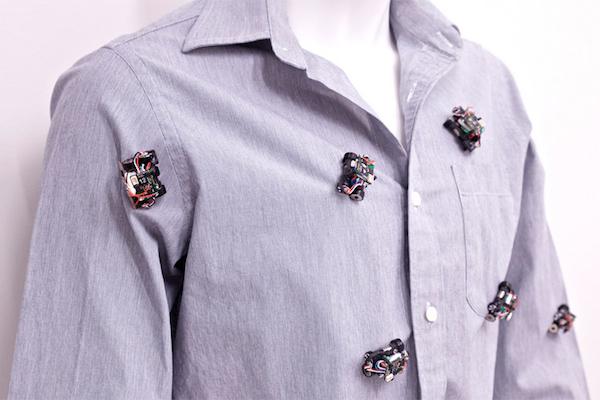
    Rovables

    We introduce Rovables, a miniature robot that can move freely on unmodified clothing. The robots are held in place by magnetic wheels, and can climb vertically. The robots are untethered and have an onboard battery, microcontroller, and wireless communications. They also contain a low-power localiz…

    Living Mobile

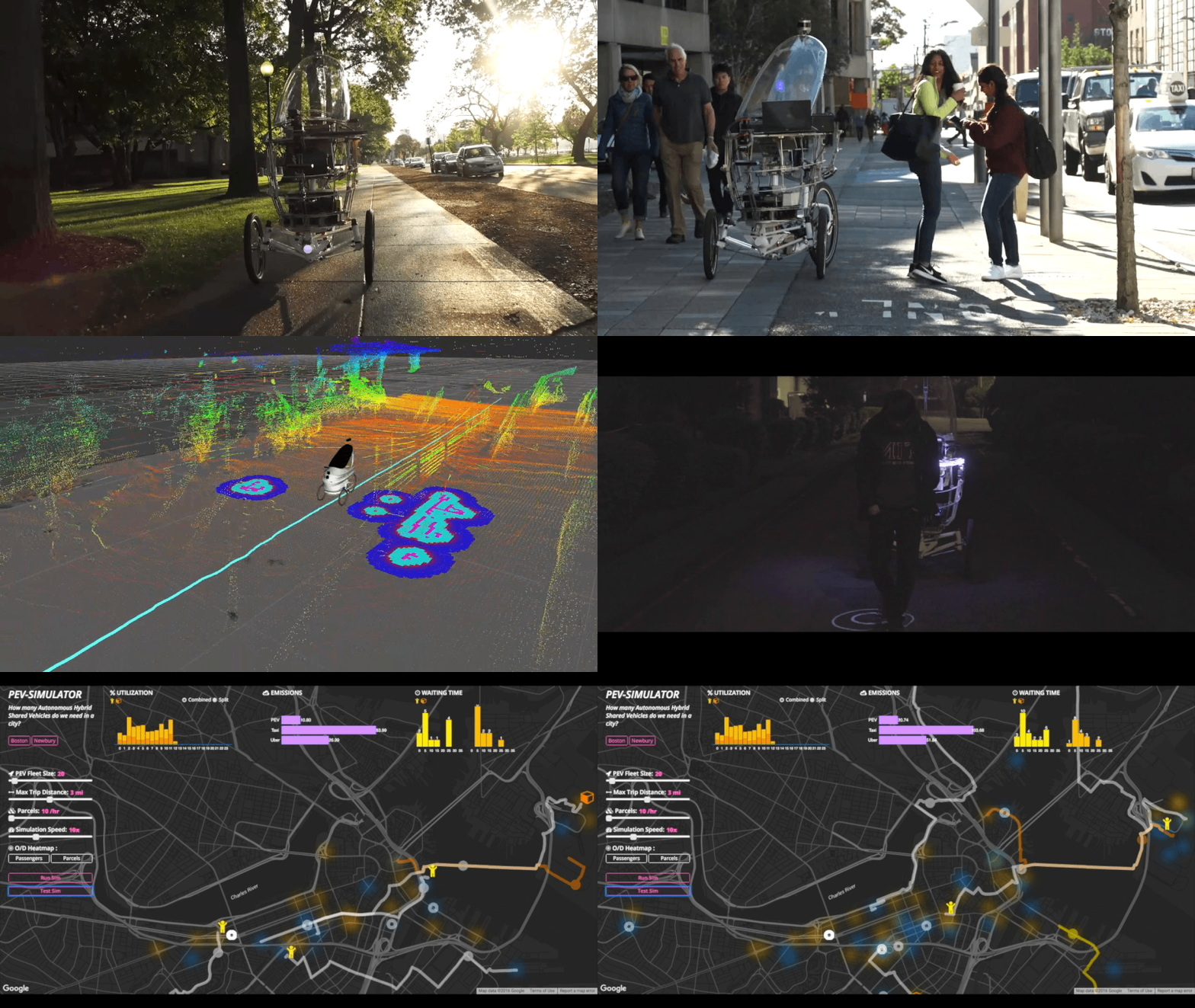
  • Theme | Mobility On-Demand

    Urban populations around the world are rapidly growing. To improve livability, urban residents must reduce dependency on fossil fuels and private cars, while needing efficient equitable access to inexpensive and reliable transportation.Urbanization has outpaced transportation innovation as we know …

    City Science

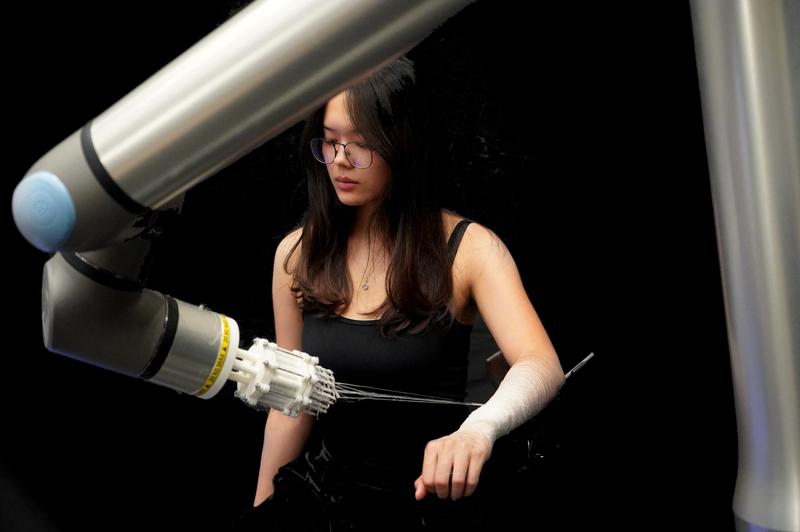
  • InSituWear: On-body Robotic Fabrication of Textiles

    What if clothing  and textiles emerged in situ—woven by robots around the body itself, shaped by anatomy, motion, and material behavior rather than predefined geometry?InSituWear is a form-finding, on-body robotic fabrication method that melt-draws low-temperature thermoplastic microfilaments direc…

    Critical Matter

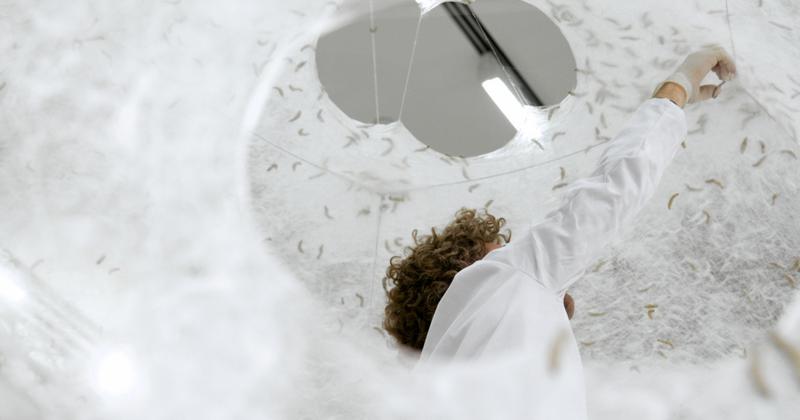
  • Silk Pavilion project

    Mediated Matter

    Designing for, with, and by nature

    MIT Media Lab

  • Theme | Transformable Environments and Sensing

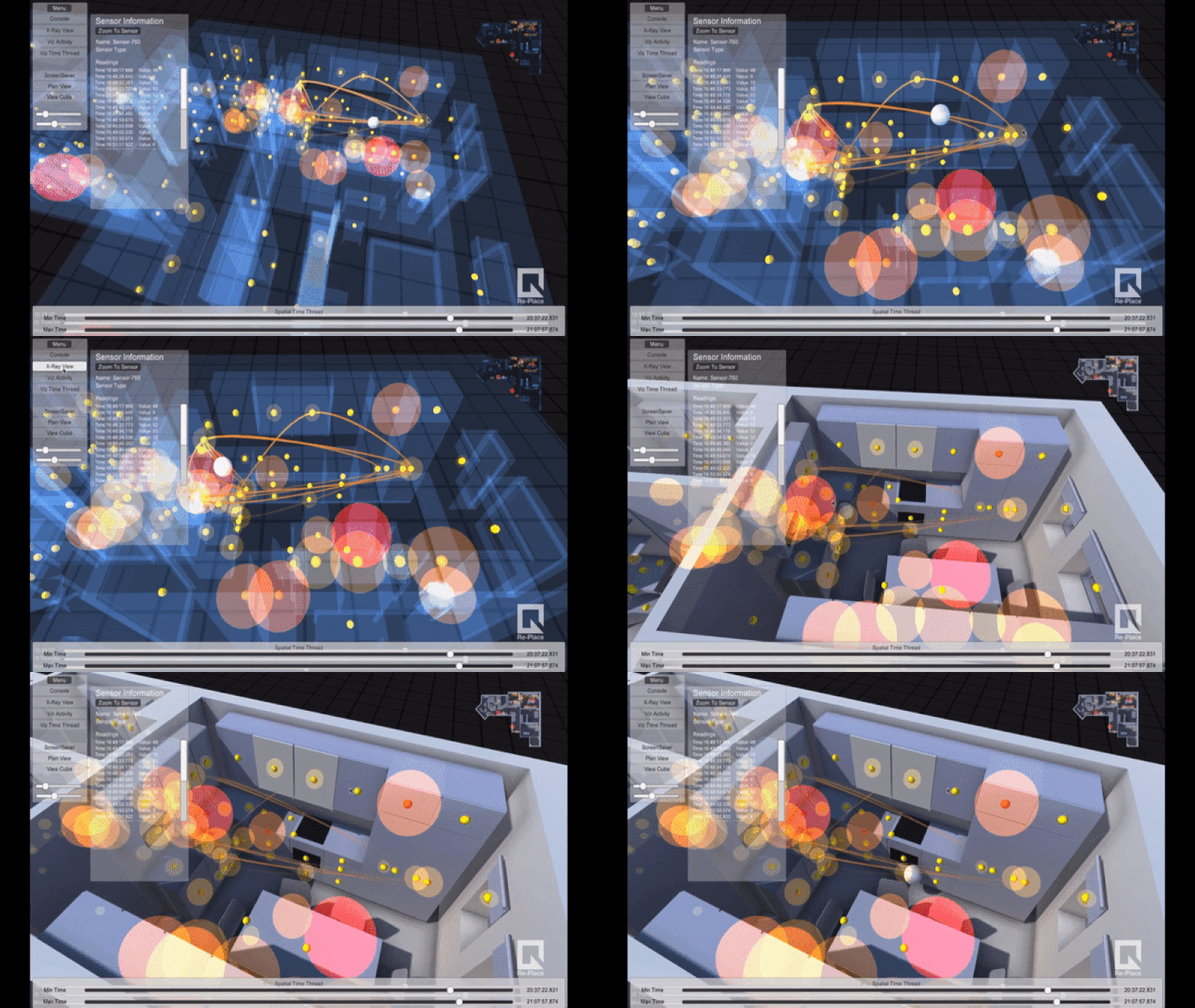
    We are developing hyper-efficient places of living that are dynamically transformable so that compact, more affordable spaces have three times the functionality of conventional spaces - alongside sensor platforms to better understand and respond to complex human activity. 

    City Science

  • City Science Network

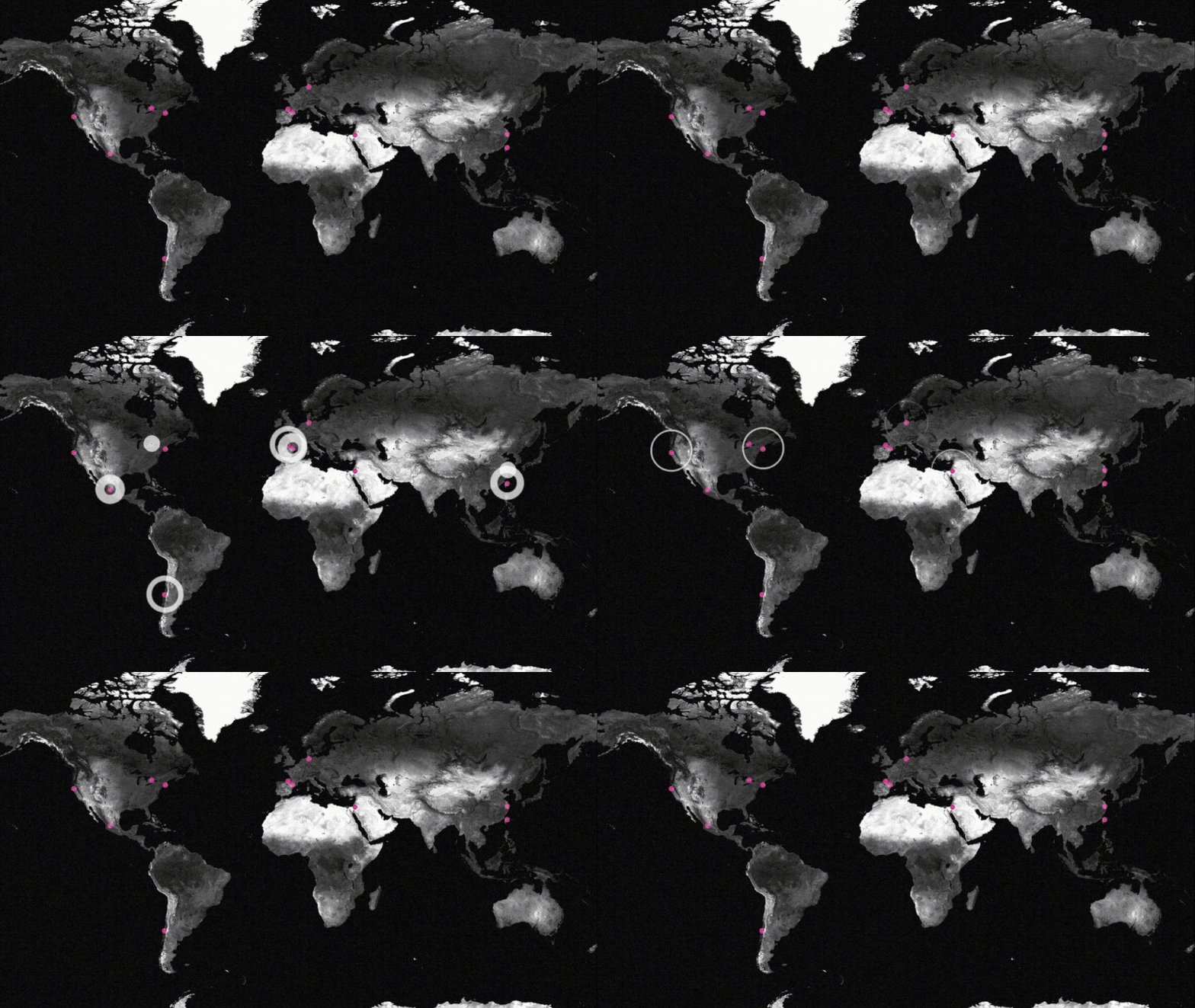
    MIT City Science has developed an international network of cooperative City Science LabsFounded a decade ago, the City Science Network connects a growing constellation of sister labs around the world. These labs share a common framework for data analysis, design experimentation, simulation, and civ…

    City Science

  • Imaging Hidden Objects with Consumer LiDAR

    LiDAR sensors are rapidly becoming ubiquitous in consumer technology, appearing in devices such as the Apple iPhone Pro, Apple Vision Pro, Waymo self-driving cars, home robots, and more. Once confined to specialized industrial systems, depth-sensing hardware is now embedded in everyday consumer pla…

    Camera Culture