Nomadic Displays
How to improve mobility with higher-quality and lower-power-consumption display technology.
The Spatial Imaging group develops new technology and interfaces for high-quality 3-D displays. Their research includes hardcopy holography, holographic video, spatial interaction, rapid image generation for 3-D displays, and autostereoscopic specular-optical displays. Stephen Benton passed away in…
How artists and engineers can refigure technology for the full range of human experience.

SIMPLICITY is an experimental research program focused on developing technologies for designs that are simpler to understand, easier to use, and, ultimately, more enjoyable. This goes well beyond removing buttons, slimming down screens, and shrinking interfaces to fit into the palms of our hands. I…
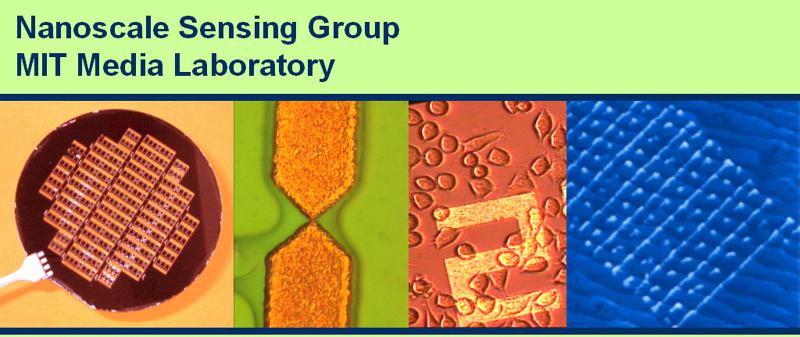
How to detect the activity of biological molecules with micro- and nanofabricated devices.
How to design machines that use what we do, where we are, and how we feel to add to our social, educational, and functional success.
How to give computers "common sense"�the ability to think about the everyday world as people do.
How simplifying the basic tools for digital expression will lead to a new creative digital economy. For more Physical Language Workshop projects, see Henry Holtzman.
The NEXT consortium is a collaboration among Taiwan's Industrial Technology Research Institute (ITRI), several Taiwanese companies with varying areas of expertise, and the Media Lab. NEXT members share an in-house research position at the Media Lab and explore collaborative projects involving the M…
How to create seamless and pervasive connections between our physical environments and information resources.
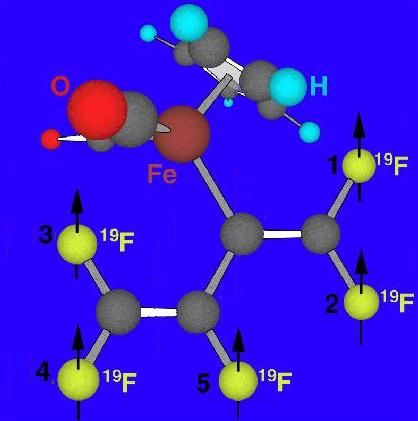
How we can construct information technology and intelligence from the fundamental building blocks of physical media: atoms and molecules.
This center explores how emerging technologies and insights into human behavior can transform the customers' experience and elevate the role of the bank in their financial lives. Researchers seek to invent new ways to anticipate the needs and desires of customers down to the level of the individual…
As robots become more and more capable, we will begin to invite them into our daily lives. There have been few examples of mobile robots able to carry out everyday tasks alongside humans. Though research on this topic is becoming more and more prevalent, we are just now beginning to understand what…
Many new applications for robots require them to work alongside people as capable members of human-robot teams. We have developed Mars Escape, a two-player online game designed to study how humans engage in teamwork, coordination, and interaction. Data gathered from hundreds of online games is bei…
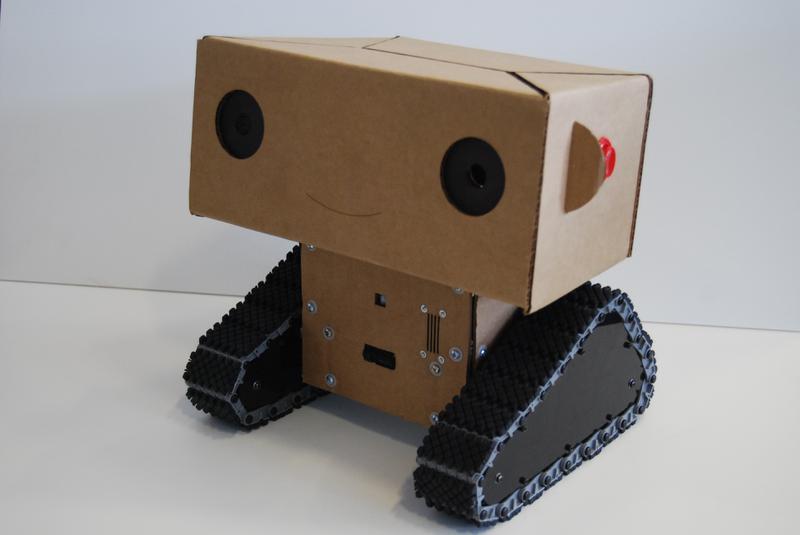
How do we leverage people to make systems more intelligent, efficient, and successful? Is it worthwhile to involve people heavily in the goals of a system? How does a system most effectively coax stories out of people? To investigate these questions, a robot was built that facilitated interaction a…