
MIT team reports success from wearable breast ultrasound device
MIT Media Lab researchers have developed a wearable breast ultrasound device that they say can make way for earlier breast cancer detection.
MIT Media Lab researchers have developed a wearable breast ultrasound device that they say can make way for earlier breast cancer detection.
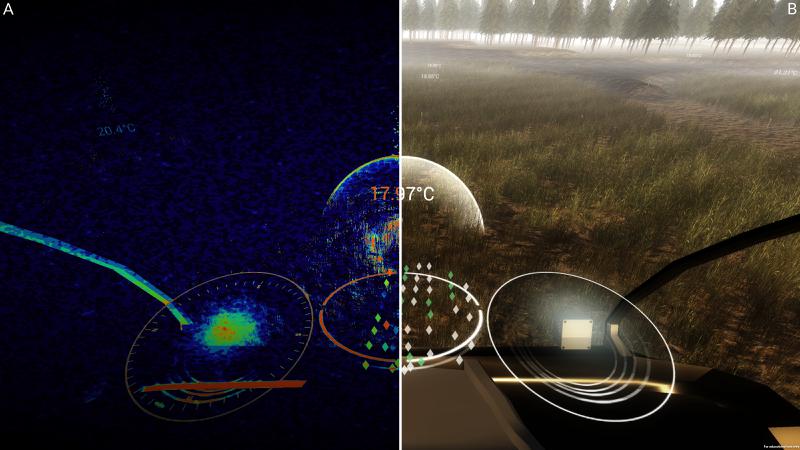
Doppelmarsh is a cross-reality sensor data browser built for experimenting with presence and multimodal sensory experiences. Built on evolving terrain data from a physical wetland landscape, the software integrates real-time data from an environmental sensor network with real-time audio streams and…
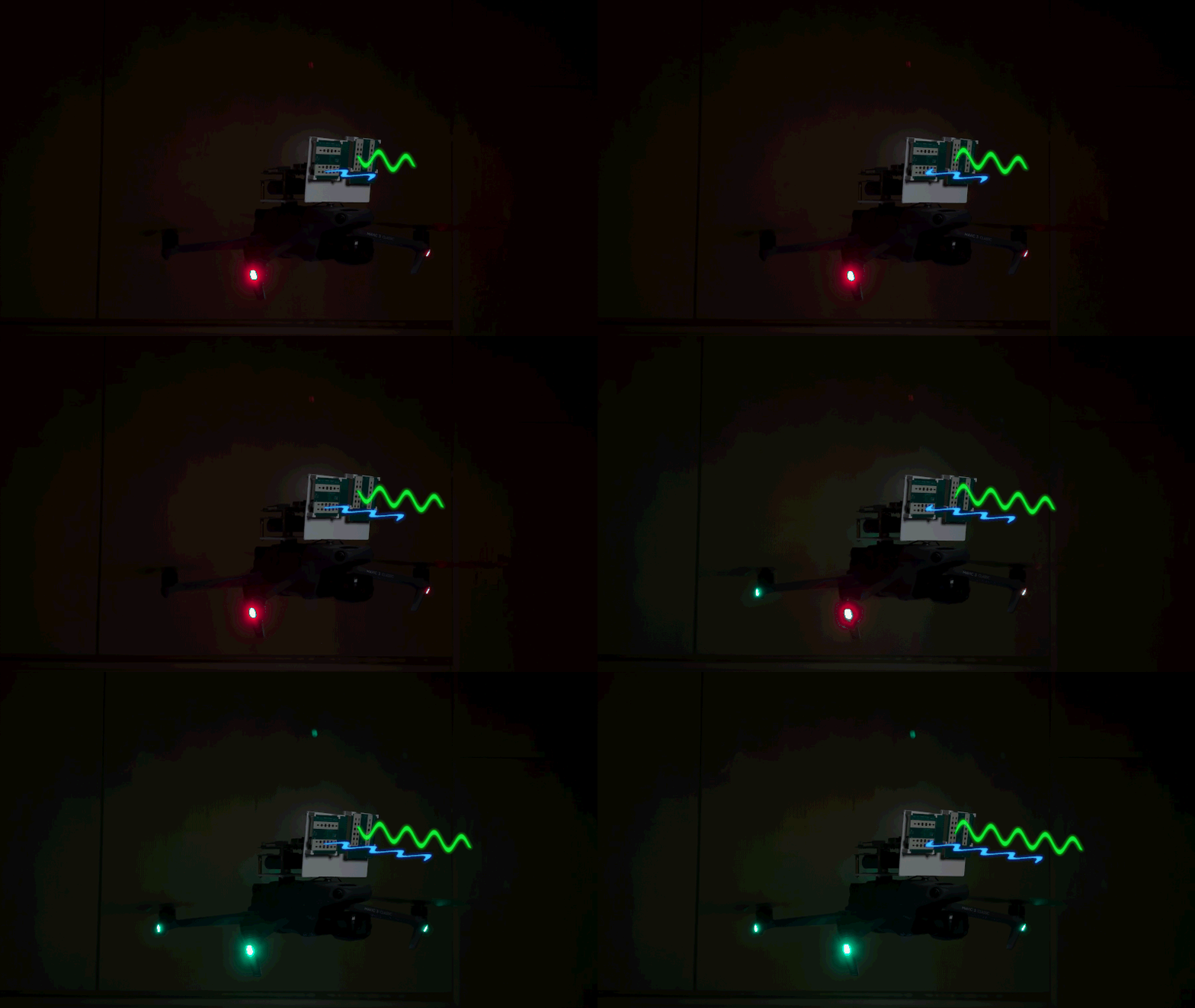
MiFly is a self-localization system for drones that works indoors, including in the dark and low-visibility settings. Instead of relying on GPS or cameras, which fail indoors and in the dark, MiFly relies on new localization technology that leverages wireless signals. It can accurately track its mo…

Designing, prototyping, and building the artifacts of our sci-fi space future
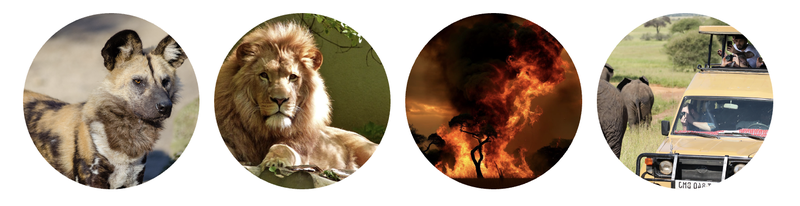
Global biodiversity faces threats from climate change and human disturbance, which affect many species, especially large predators. These threats influence their movements, behaviors, and conflicts with humans. However, we lack data on how animals and their environments interact. This data is essen…

The City Science Lab@Guadalajara is a collaboration with the University of Guadalajara (UdeG), a network composed of 15 campuses within the state of Jalisco, Mexico. The University offers undergraduate and graduate studies to around 130,000 students. With this collaboration, UdeG and MIT aim to und…
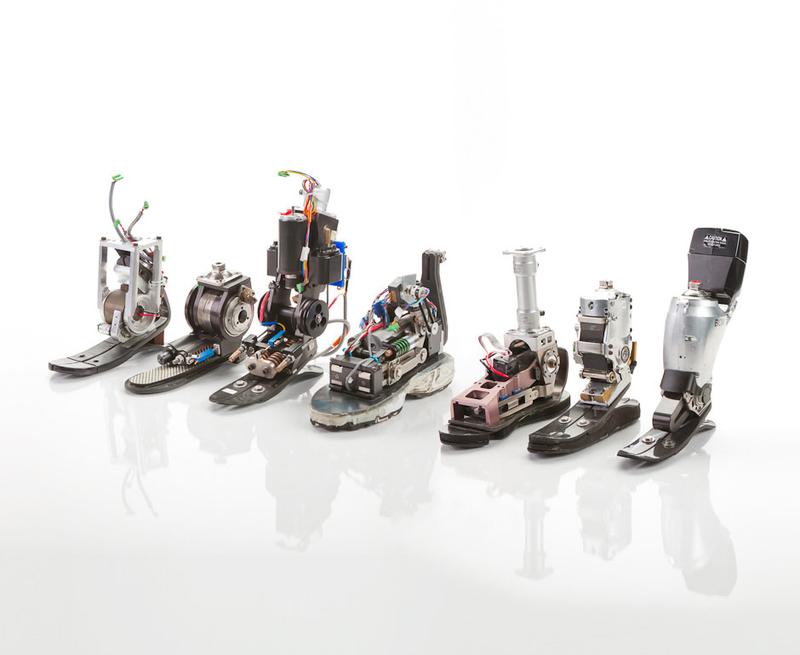
Enhancing human physical capability
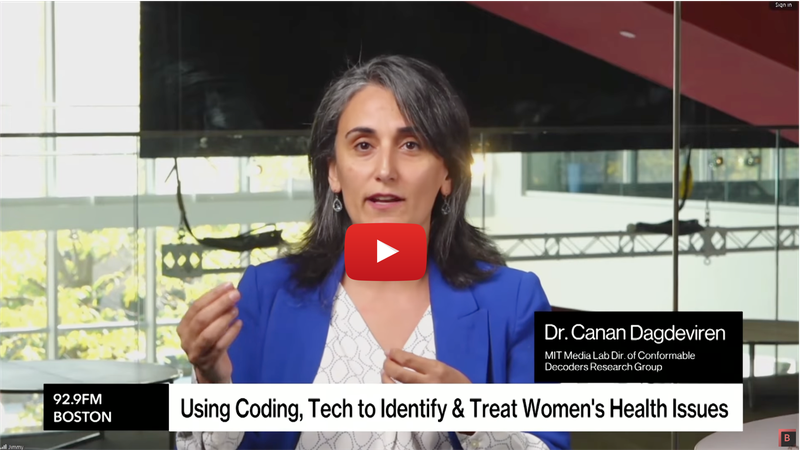
Canan Dagdeviren on how WHx, AI, and wearable tech are advancing early, personalized care and closing gaps in women’s health.

Professor Wicaksono's work focuses on smart textiles.

MIT’s Rosalind Picard: Wearables can revolutionize women’s health, yet today’s devices reflect just a fraction of the potential.

Qian Janice Wang has been named a Master of Wine—the first residing in Denmark—by the Institute of Masters of Wine.

Engineering at the limits of complexity with molecular-scale parts
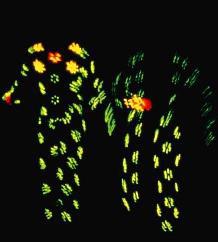
Exploring how social networks can influence our lives in business, health, governance, and technology adoption and diffusion
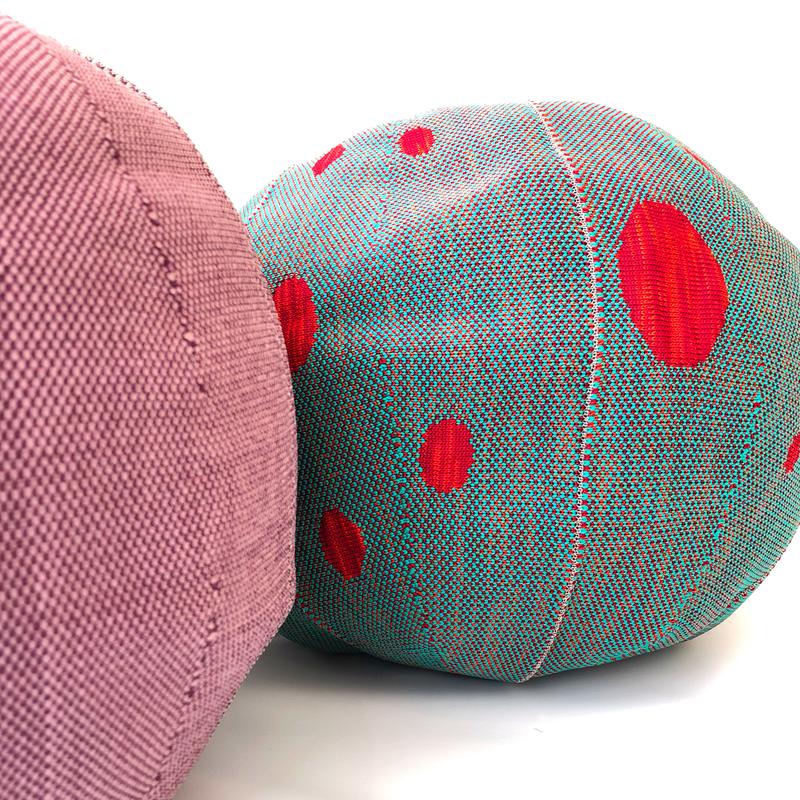
The ability to blend diverse electronic devices in close proximity and novel form-factors promises to usher in a new generation of smart skins that hold the potential for revolutionary applications. This is what we have termed as “Sensate Media” — essentially the integration of low-power sensor-act…
Facemasks are used to reduce exposure to viruses and other environmental hazards such as air pollution, and integrating wearable electronics into facemasks could provide valuable insight into personal and public health. However, relevant wearable devices are typically designed only to monitor biolo…

By leveraging reflections from wireless signals, the system could allow robots to find and manipulate items that are blocked from view.
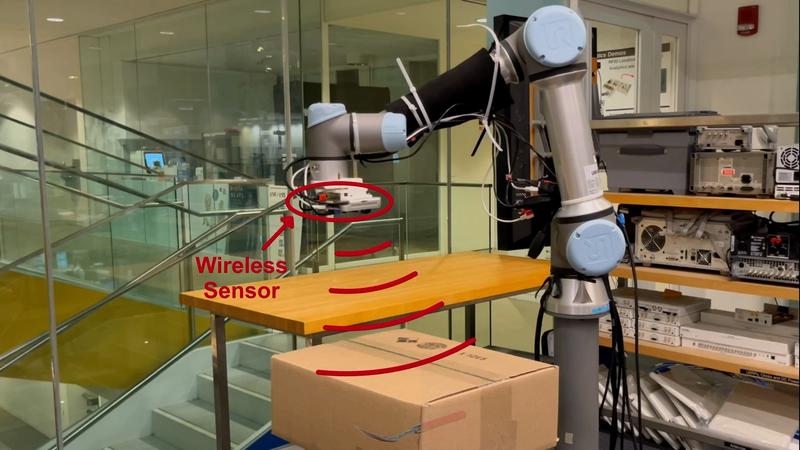
What if devices could see through walls, boxes, and clutter?We’ve developed mmNorm, a new technology that creates 3D models of objects—even when they’re completely hidden from view. While traditional cameras and LiDAR systems can only detect and recontruct what’s in their direct line of sight, mmNo…

Protecting biodiversity with acoustic and visual sensing.The South American Bombus dahlbomii is one of the largest bee species in the world. It can grow up to 1.6 inches long and, because of its size and furry appearance, is colloquially called a “flying mouse.” Native to Chile and Argentina, it is…

Technology for Women’s Health
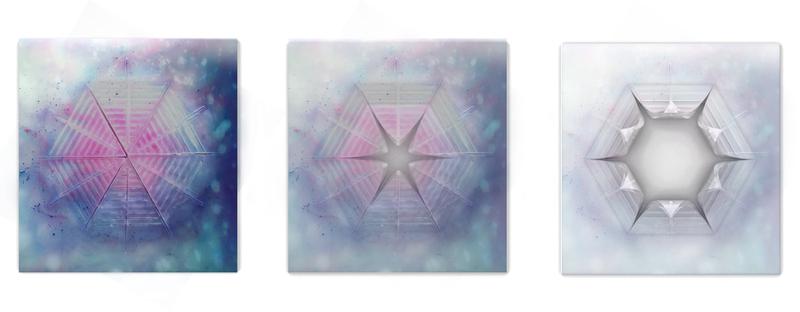

E-LIG, laser-enabled method for flexible printed electronics, is on the May 2025 Advanced Science cover
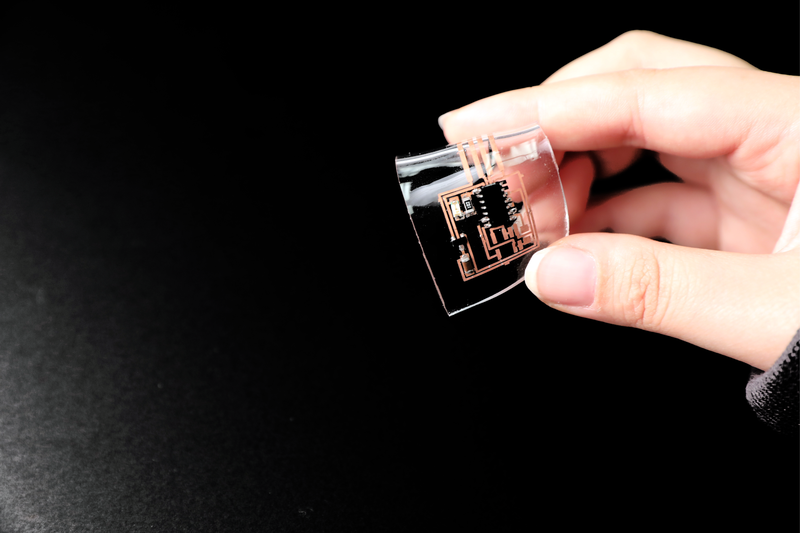
We introduce E-LIG, a laser-enabled, additive fabrication method for flexible, double-sided printed circuit boards (PCBs) with integrated functional devices. E-LIG combines laser-induced graphene (LIG) patterning with copper electroplating to create high-resolution circuits directly on flexible an…

The Space Exploration Initiative charters an annual ZERO-G parabolic flight for 10-15 projects and 25 researchers across MIT Media Lab, several departments at MIT (including AeroAstro, EAPS, and others), as well as outside collaborators. To help support this flight opportunity, SEI teaches a course…