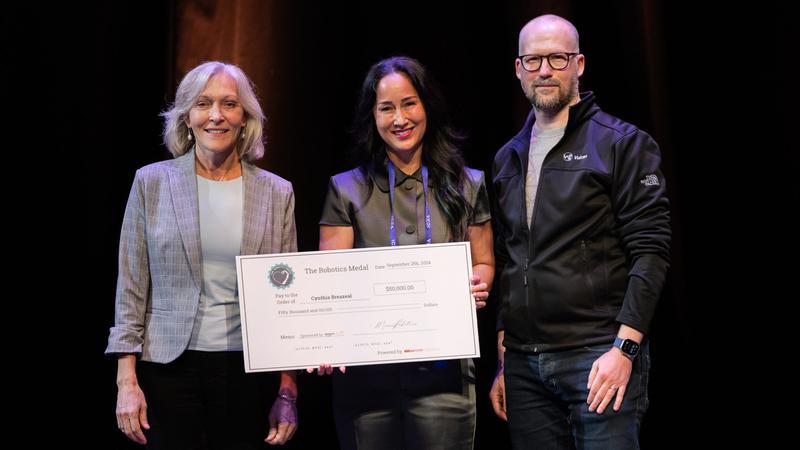
Cynthia Breazeal receives 2024 Robotics Medal
She was recognized for her significant contributions in establishing the field of social robotics and human-robot interaction.
She was recognized for her significant contributions in establishing the field of social robotics and human-robot interaction.

Four out of eleven selected research projects were from the Media Lab community.
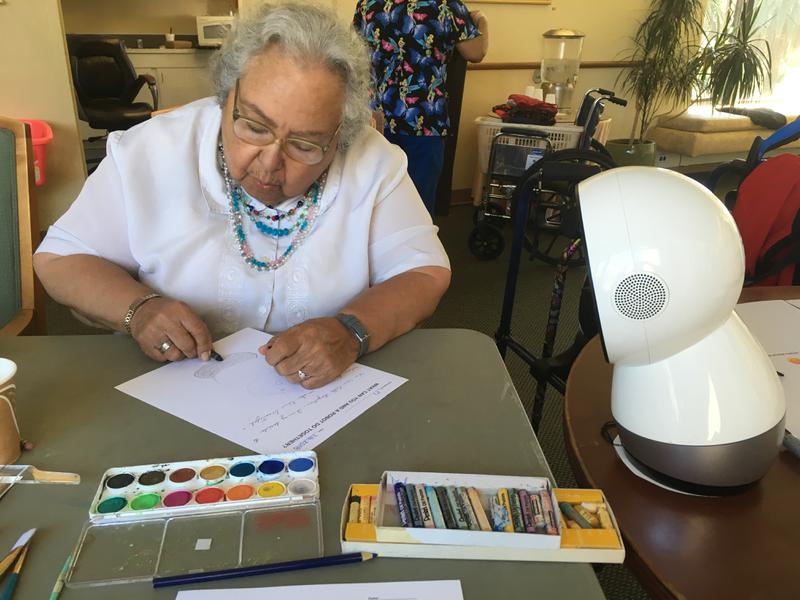
When they’re valued as design research partners, older adults feel empowered to contribute to technology design.
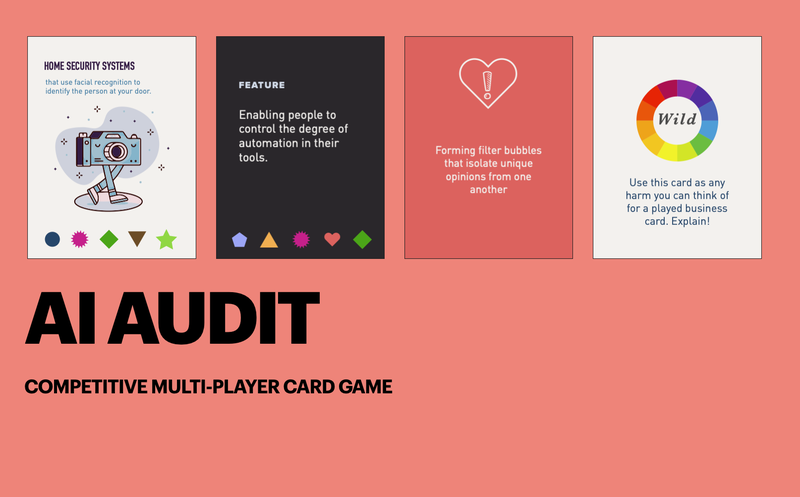
An essential element of K-12 AI literacy is educating learners about the ethical and societal implications of AI systems. Previous work in AI ethics literacy have developed curriculum and classroom activities that engage learners in reflecting on the ethical implications of AI systems and developin…
In a special edition of Government Technology magazine focused on AI, executive editor Noelle Knell highlights the work of Cynthia Breazeal.
On the Aging Equal Podcast, Dr. Anastasia Ostrowski talks about co-designing social robots and her work collaborating with older adults.

Swarms of robots will revolutionize many applications, from targeted material delivery to farming. However, the characteristics that make them ideal for certain future applications, such as robot autonomy or decentralized control, can also be an obstacle when transferring this technology from acade…
For BBC Science Focus, Media Lab research scientist Dr. Kate Darling considers the potential harms of mistreating robots.
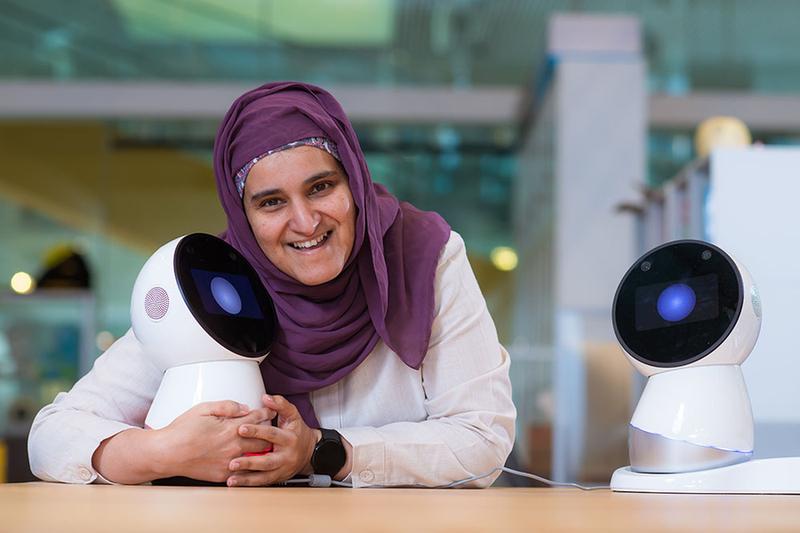
Sharifa Alghowinem, a research scientist at the Media Lab, explores personal robot technology that explains emotions in English and Arabic.
Social robots equipped with AI and designed with users’ social, emotional, and relational interactions in mind are increasingly being highlighted as a way to enable older adults to age in their homes. However, older adults are often excluded in technology development and, in general, in their discu…
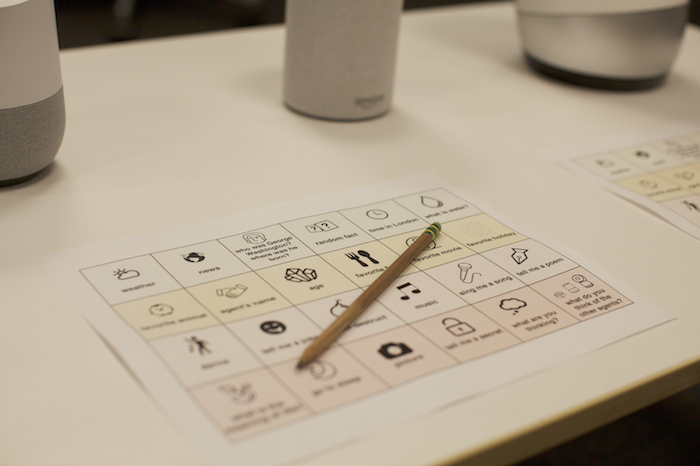
Artificial intelligence (AI) agents in an embodied form, such as Jibo, Amazon Alexa, and Google Home, are increasingly becoming part of our daily lives and our homes. While there have been numerous studies in lab settings documenting short-term individual interactions with intelligent agents, we ar…
Dr. Kate Darling, a research scientist with the Media Lab’s Personal Robots group, talks to El País about human relationships to tech.
Randi Williams, who is a PhD student in the Media Lab’s Personal Robots group, joins other talented scientists to talk about their careers.

Promoting deeper learning and understanding in human networks
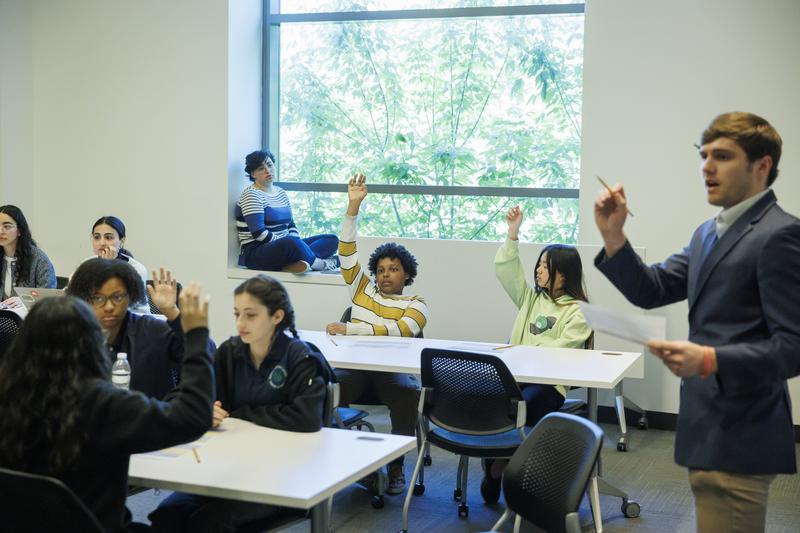
Global participation in MIT RAISE’s free K-12 program more than doubles in its second year.
Kate Darling talks about the film M3gan and the future of artificial intelligence systems designed to have human relationships.
Media Lab researcher Kate Darling looks at the current state of household robots and considers how we may interact with them in the future.
ML Learning
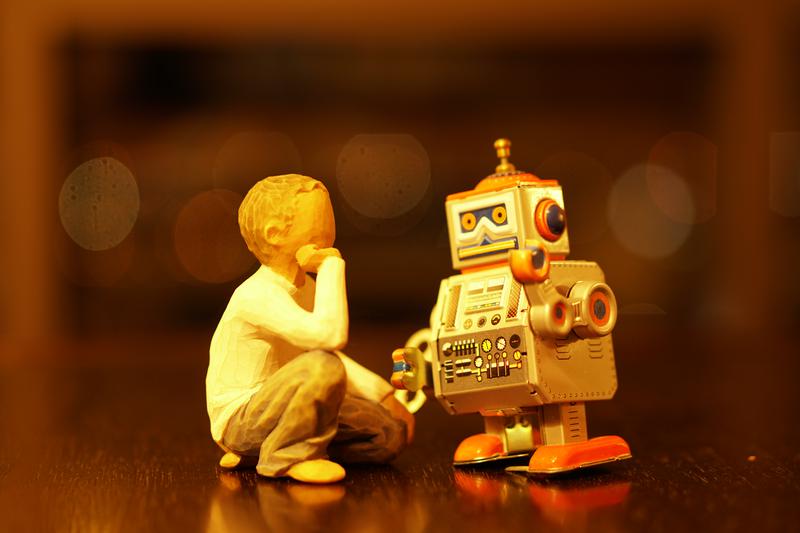
Reimagining human cooperation in the age of social media and artificial intelligence

Creating technology for social change

Enjoy these recent titles from Institute faculty and staff.
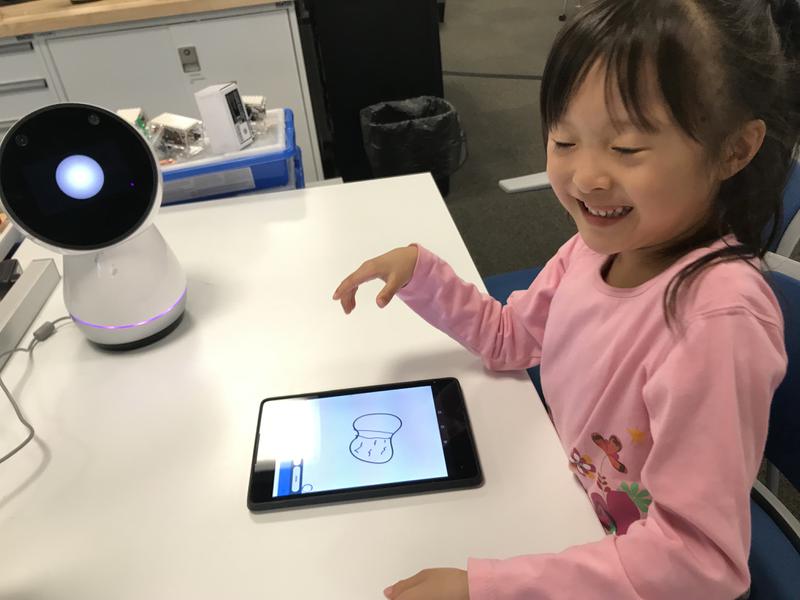
Children’s creativity—the ability to come up with novel, surprising, and valuable ideas—has been known to contribute to their learning outcomes and personal growth. Standardized ways to measure creativity and divergent thinking reported that as children enter elementary school, their creativity slu…
Personal Robots group head Cynthia Breazeal speaks with Marwa ElDiwiny on a recent episode of the IEEE RAS Soft Robotics podcast.
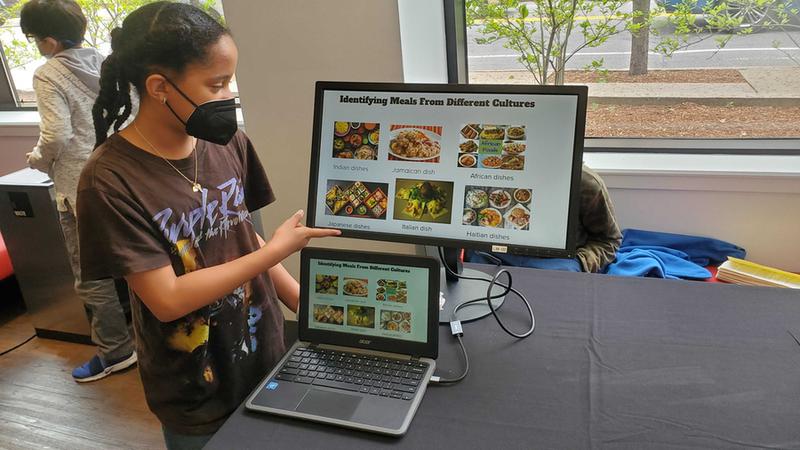
Thousands of children participate in MIT-developed artificial intelligence curriculum.