WHx
WHx Program: Unlocking women's health through transformative technologies
WHx Program: Unlocking women's health through transformative technologies

MIT researchers have shown that they can accurately track muscle movement using tiny magnetic beads implanted in the muscle.
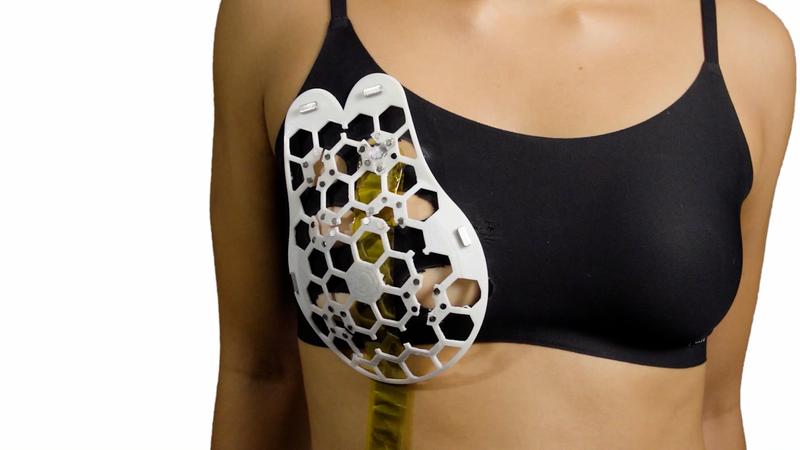
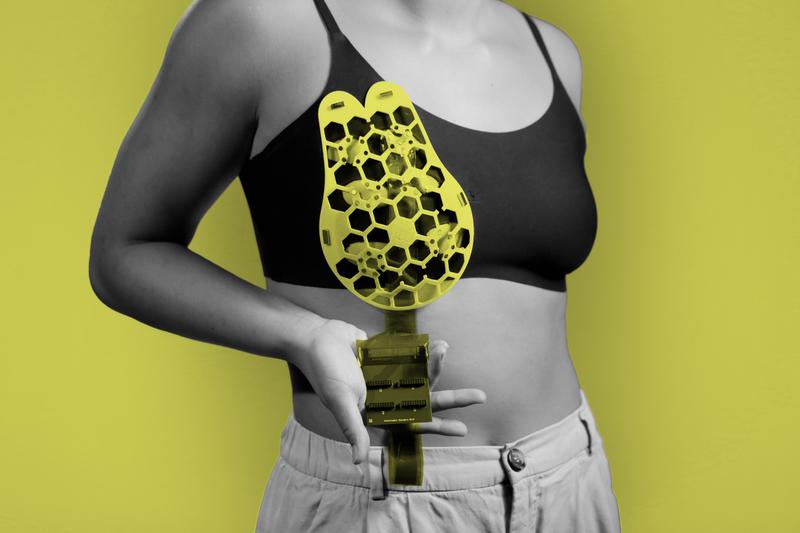
Ultrasound is widely used for tissue imaging such as breast cancer diagnosis; however, fundamental challenges limit its integration with wearable technologies, namely imaging over large-area curvilinear organs. We introduced a wearable, conformable ultrasound breast patch (c…
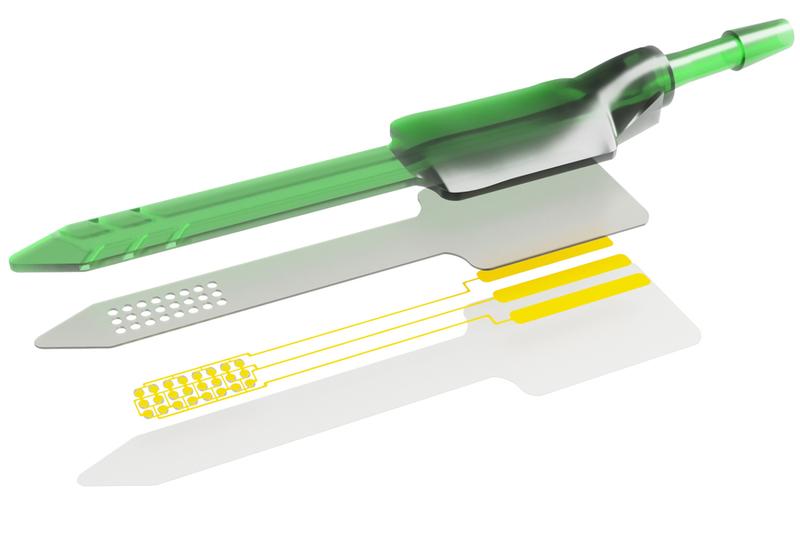
MIT researchers have now designed an implantable drug-delivery device that they hope could help prevent recurrence of glioblastoma.
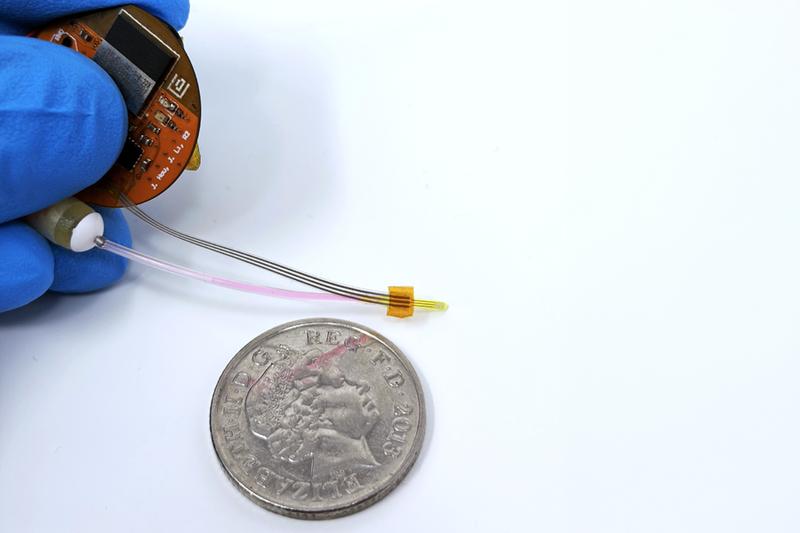
The Conformable Decoders group has developed LUCID (Long-term Ultrasound-enhanced Convective Injection Device), a new implantable platform that combines controlled drug infusion with miniature ultrasound technology to enhance the distribution of therapeutics within the brain.
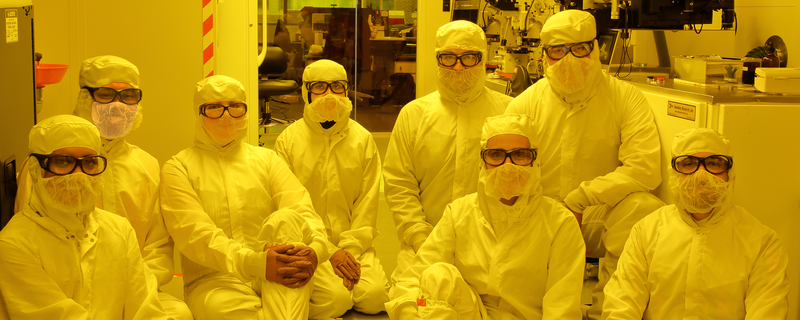
Converting the patterns of nature and the human body into beneficial signals and energy
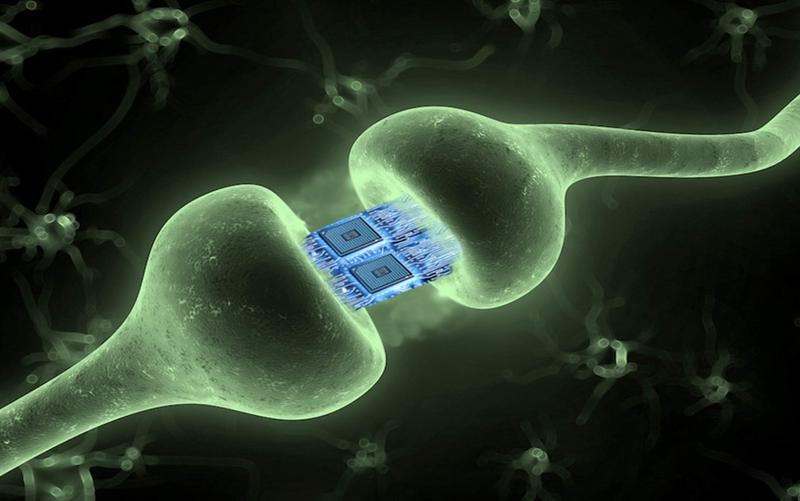
Inventing disruptive technologies for nanoelectronic devices and creating new paradigms for life-machine symbiosis
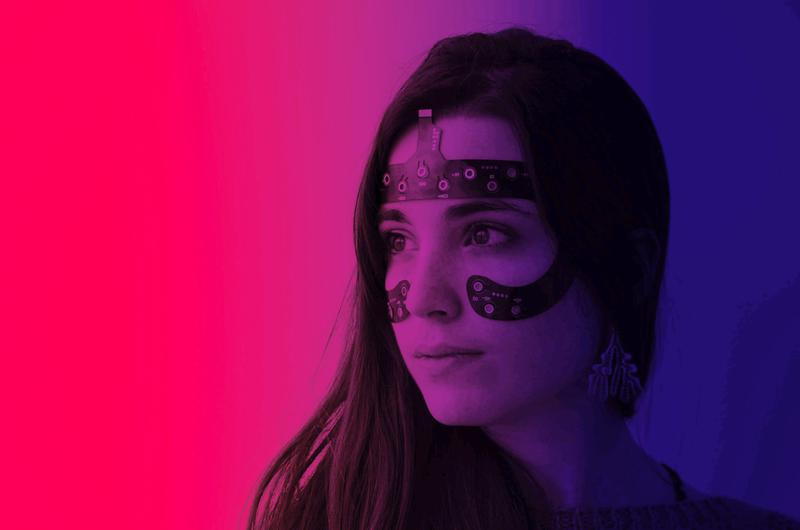
Designing Systems for Cognitive Augmentation

What if clinicians could place tiny electronic chips inside the brain without the need for any surgery but with a simple injection in the arm?This could help to treat deadly and devastating brain diseases which drugs/chemicals cannot fix and eliminate surgery risks as well as 100,000 dollars of sur…

Invent new tangible and embodied interactions that inspire, engage, and connect people

WHx Honorary Chair Susan Blumenthal and MIT's Linda Griffith appear in End of the Cycle, a documentary about endometriosis. Watch now.

WHx joins MIT HEALS to advance women’s health through bold research, innovation, and cross-disciplinary collaboration at MIT.

Humans can accurately sense the position, speed, and torque of their limbs, even with their eyes shut. This sense, known as proprioception, allows humans to precisely control their body movements. Today’s conventional prosthetic limbs do not provide feedback to the nervous system. Because of this, …

Our mission is to expand horizons, foster creativity, and explore a myriad of concepts. Gastronomy and Beyond is a collaboration between the MIT City Science Group and the Basque Culinary Center (BCC) exploring how food can transform cities. The project investigates the intersection of gastronomy, …
Exploring the future of music through AI, multisensory expression, creativity, and sonic healing.

Advancing human wellbeing by developing new ways to communicate, understand, and respond to emotion
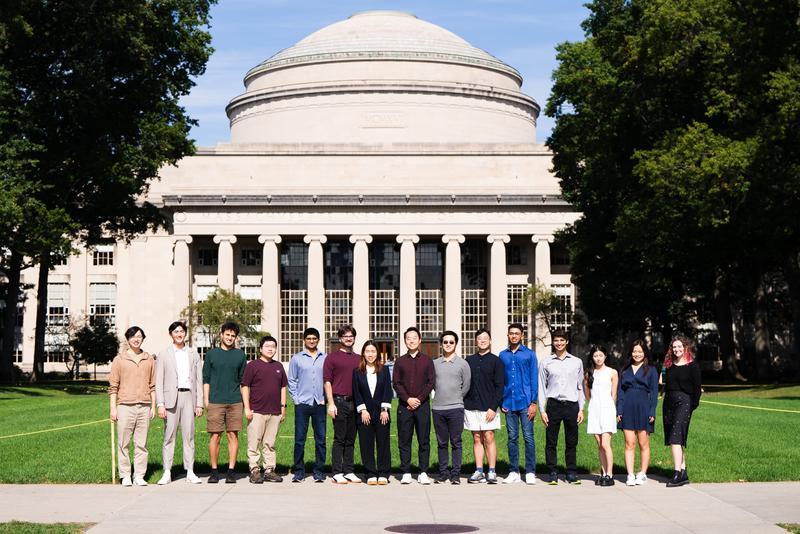
Creating human-AI symbiosis across scales and sensory mediums to enhance productivity, creativity, and wellbeing
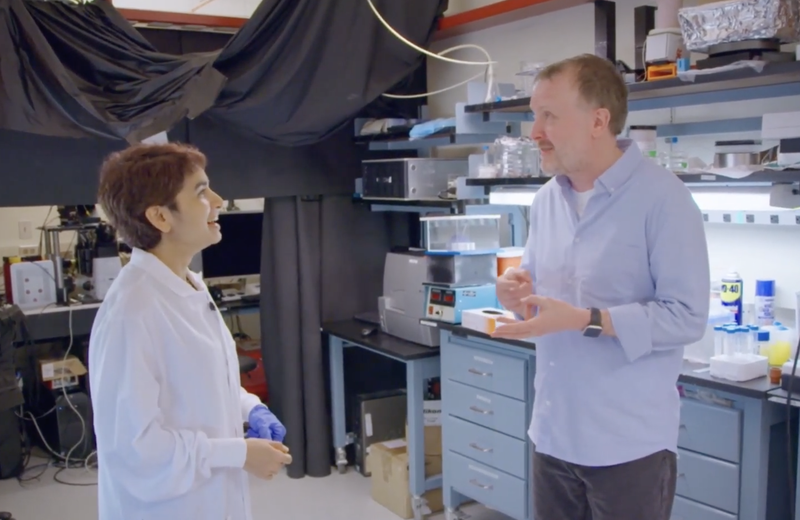
Prof. Sarkar explains Circulatronics in BBC interview with Chris McCausland

We've designed a health system strengthening model to support and expand the prosthetic and orthotic sector that cares for people with disabilities.The MIT Program to Strengthen Prosthetics & Orthotics Care in Sierra Leone is a multi-phase effort to establish, expand and sustain P&O medical servi…

MIT Media Lab's Alexandra Rieger created the Chord, an AI-powered instrument that helps stroke patients recover through music and movement.

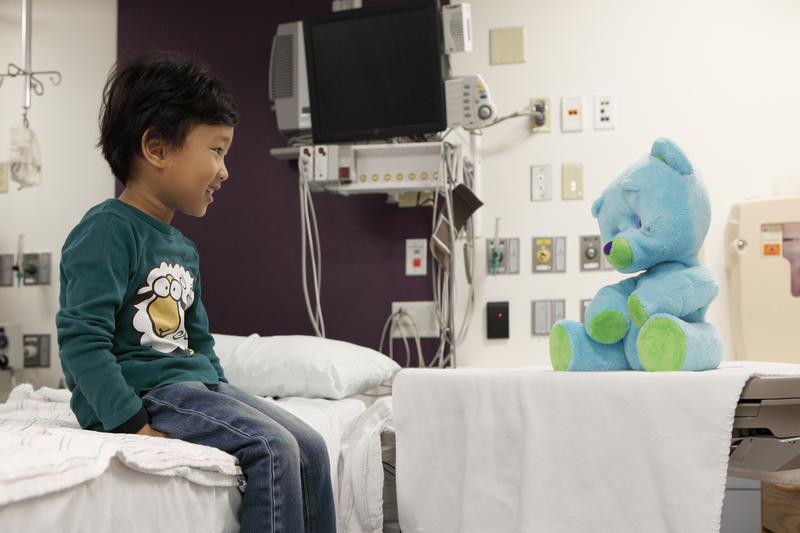
Building intelligent personified technologies that collaborate with people to help them learn, thrive, and flourish.
MIT WHx builds momentum in women’s health innovation through HEALS grants, UN visibility, and Bloomberg insights on AI and diagnostics.