
“Wearable” devices for cells
These devices could help scientists probe subcellular regions of the brain, and might even help restore some brain function.
These devices could help scientists probe subcellular regions of the brain, and might even help restore some brain function.
Organized by the MIT Museum, the 2024 celebration of science, technology, and culture was the largest in its history.
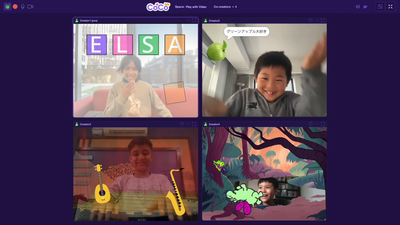
A new program aims to teach them how AI works, by getting hands-on.
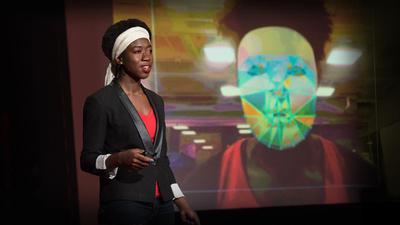
Dr. Buolamwini will receive this award at the Smithsonian Museum of African American History and Culture.

Media Lab students and alums are among the winners and honorees for the 2024 MIT Prize for Open Data.
Team Space Enabled presents results at the IAC showing progress in Earth Observation and Microgravity Projects
Labs that can’t afford expensive super-resolution microscopes could use a new expansion technique to image nanoscale structures inside cells
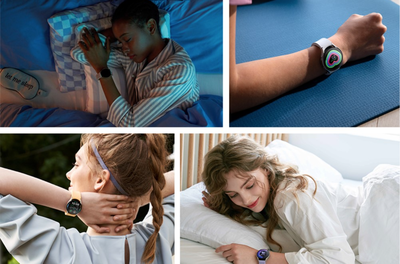
In honor of World Mental Health Day, Samsung is emphasizing its collaboration with the MIT Media Lab to explore the mind-body connection, a core theme of the Lab's "Connected Mind + Body" research focus. In recognition of World Mental Health Day, Samsung is spotlighting its work with the MIT Media …
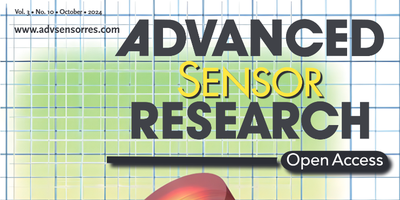
Research from the Conformable Decoders group, "Design Approaches and Electromechanical Modeling of Conformable Piezoelectric-Based Ultrasound Systems," has been featured on the cover of this journal in its October 2024 issue.
Taylor Levy and Che-Wei Wang are the founders of the art and design studio CW&T.
How life-saving wearables, regenerative medicine, and AI-assisted hospitals are helping empower patients and doctors.
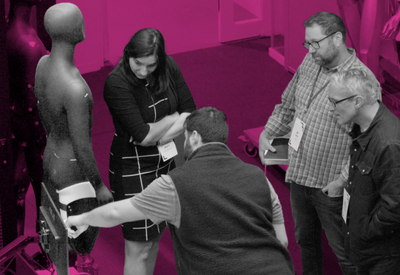
We're excited to see you next week!
A new surgery maintains the sensation of limb control after an amputation.
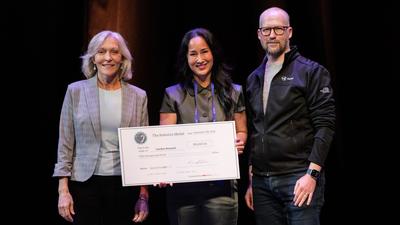
She was recognized for her significant contributions in establishing the field of social robotics and human-robot interaction.

Inspired by her aunt’s battle with cancer, Media Lab Professor Canan Dagdeviren developed a wearable ultrasound monitor that can screen women between check-ups—allowing them to “protect themselves by detecting themselves.”Watch the full video below.
How could the increased use of AI lead humans to form addictive relationships with AI?
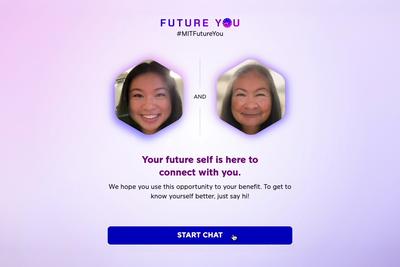
By enabling users to chat with an older version of themselves, Future You aims to reduce anxiety + guide young people to make better choices
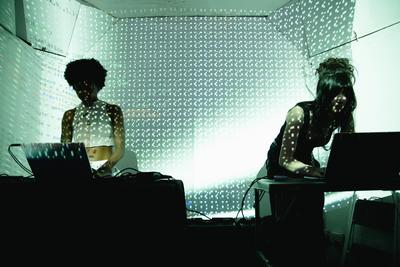
Char Stiles from Future Sketches performed in Daniel Shiffman's book release show.
Labracadabra is conceptualized and organized by ML students

Media Labbers Dünya Baradari, Alvin Harvey, and Cassandra Lee each received honorable mentions.
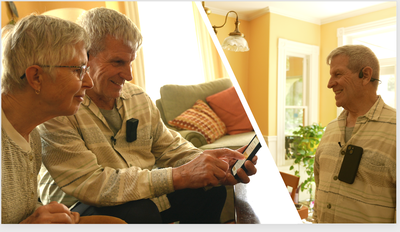
Developed by MIT Media Lab, MemPal was co-designed with older adults, enabling them to shape a future where they can age comfortably at home
The program will invite students to investigate new vistas at the intersection of music, computing, and technology.
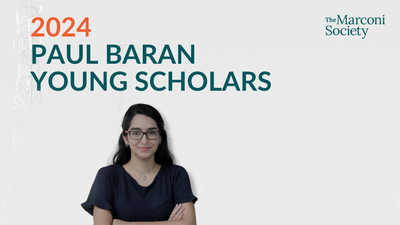
This award recognizes and celebrates innovative research conducted by young scientists and engineers.
Elemind, founded by researchers from MIT, has developed a headband that uses acoustic stimulation to move people into a sleep state.