Skip to content

Research: Projects

Projects

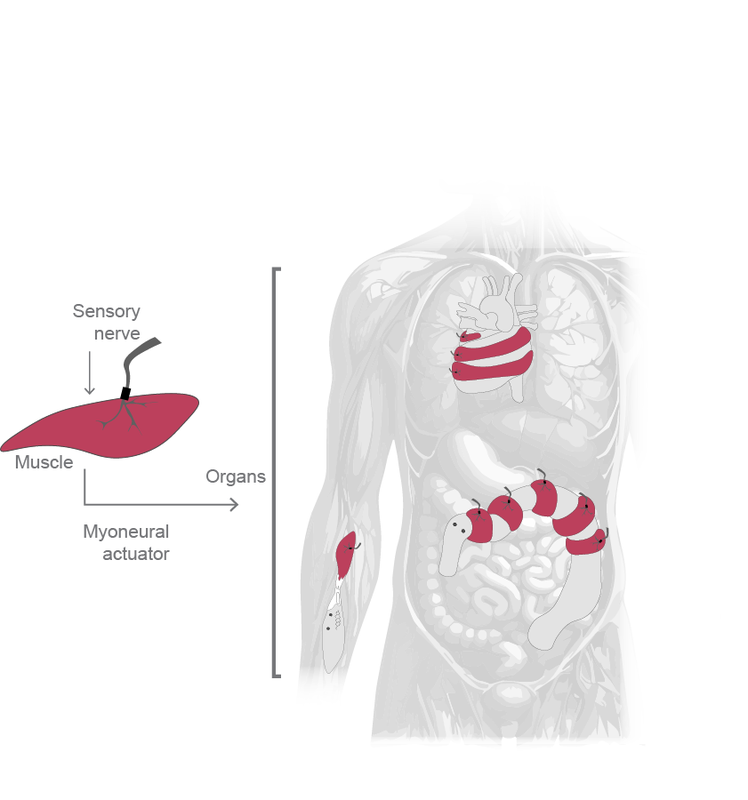
  • Myoneural Actuator

    The myoneural actuator is a fatigue-resistant, implantable biohybrid actuator built from living skeletal muscle, engineered through a regenerative surgical approach to replace conventional mechanical actuators in implantable systems.The MNA is constructed by denervating a native muscle's motor nerv…
    Biomechatronics

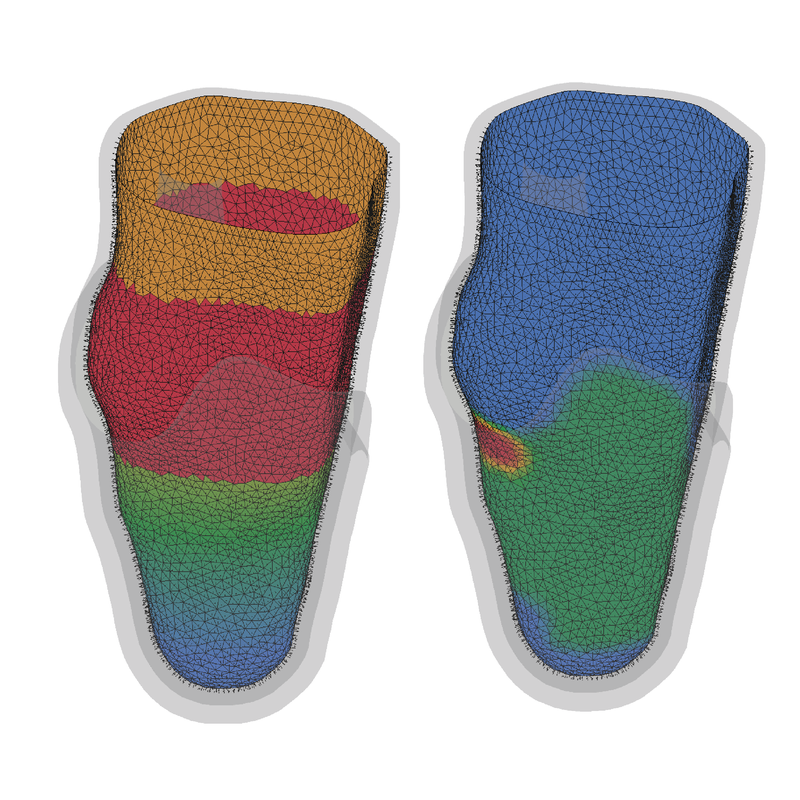
  • Liner and socket pressure maps on the skin surface

    Design and Clinical Evaluation of a Digital Transtibial Prosthetic Interface

    The prosthetic interface consists of a compliant liner and rigid socket, and conventionally has been made through a very hands-on artisinal process. This project has developed a prosthetic interface design and manufacturing pipeline that uses a novel computational algorithm to create subject-specif…

    Biomechatronics

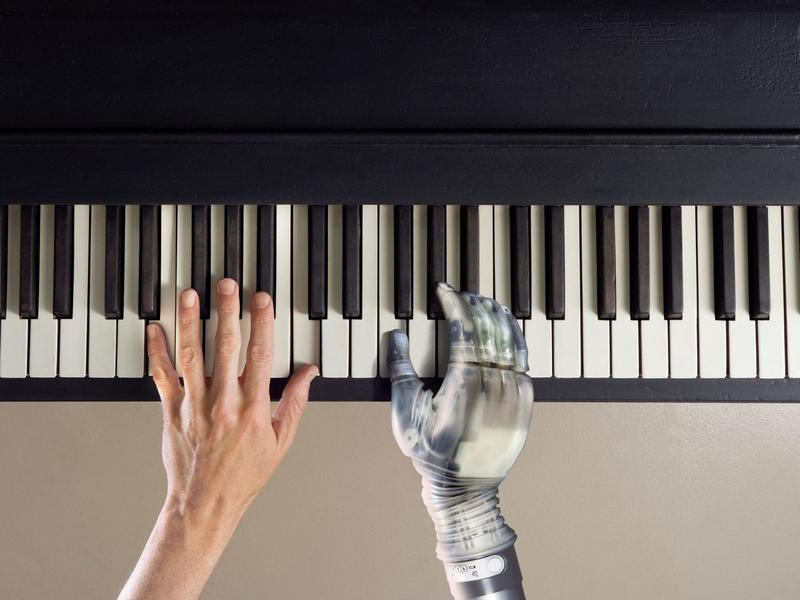
  • Neural Control of Upper Extremity Prostheses

    Existing upper extremity prosthesis controllers have limited functionality and place high cognitive demands on users, both of which contribute to the high rates of device abandonment seen in this group.This project investigates methods of translating the intentions of someone with upper extremity …

    Biomechatronics

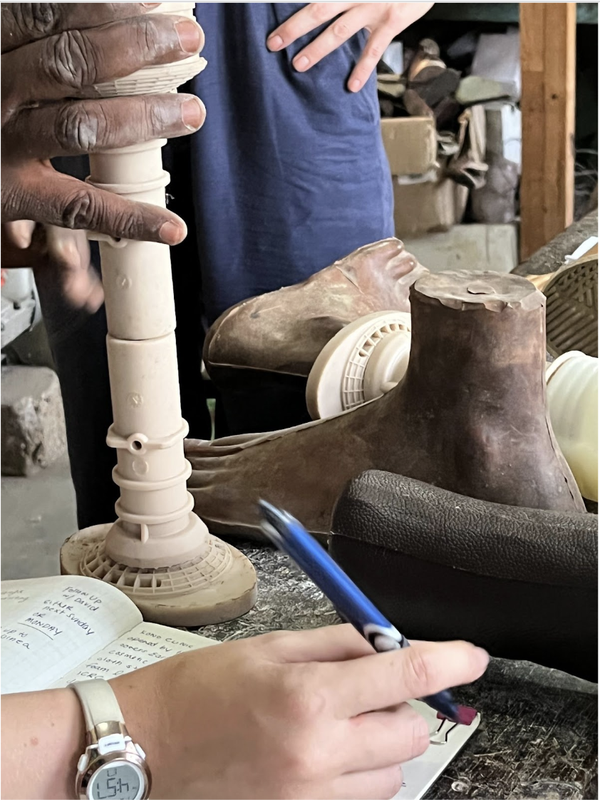
  • MIT research team meets with prosthetists in Koidu, Kono Eastern Sierra Leone during a field visit.

    The Sierra Leone Prosthetics & Orthotics Program

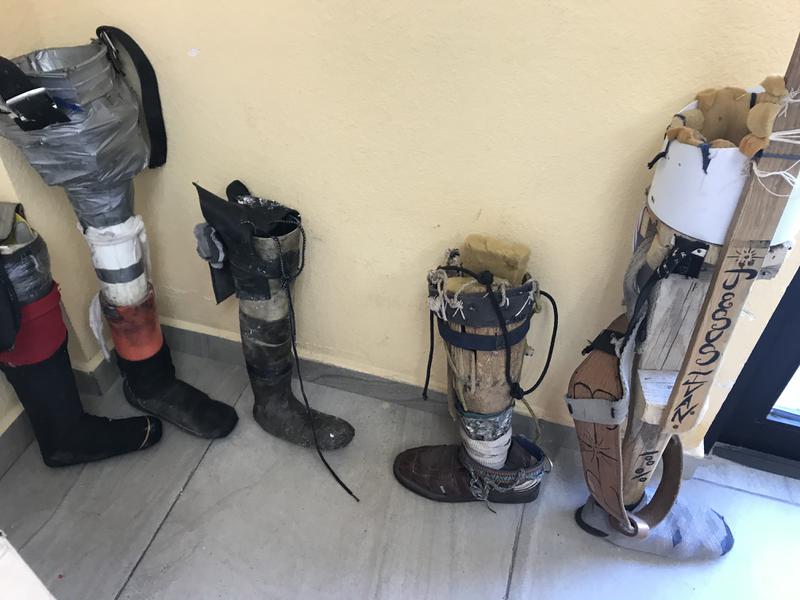
    We've designed a health system strengthening model  to support and expand the prosthetic and orthotic sector that cares for people with disabilities.The MIT Program to Strengthen  Prosthetics & Orthotics Care in Sierra Leone is a multi-phase effort to establish, expand and sustain P&O medical servi…

    Biomechatronics

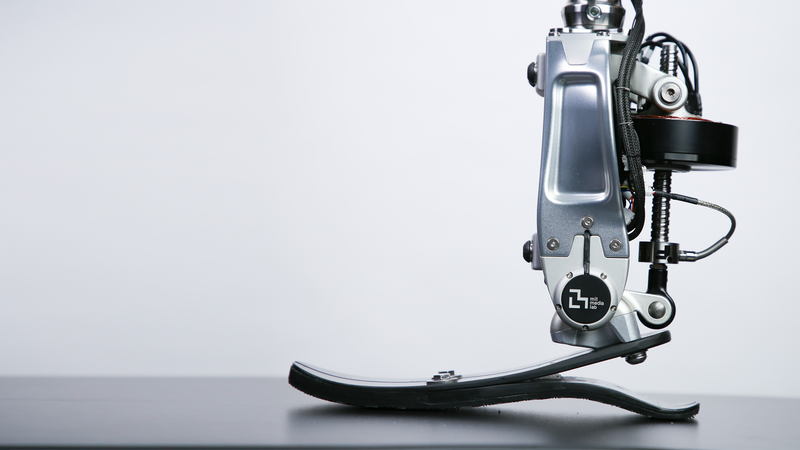
  • A Two-Degree-of-Freedom Powered Ankle-Foot Prosthesis

    Powered ankle prostheses have been proven to improve the walking economy of transtibial amputees although these powered systems are usually much heavier in weight than conventional prostheses. All commercial powered ankle prostheses that are currently available can only perform one-degree-of-freedo…

    Biomechatronics

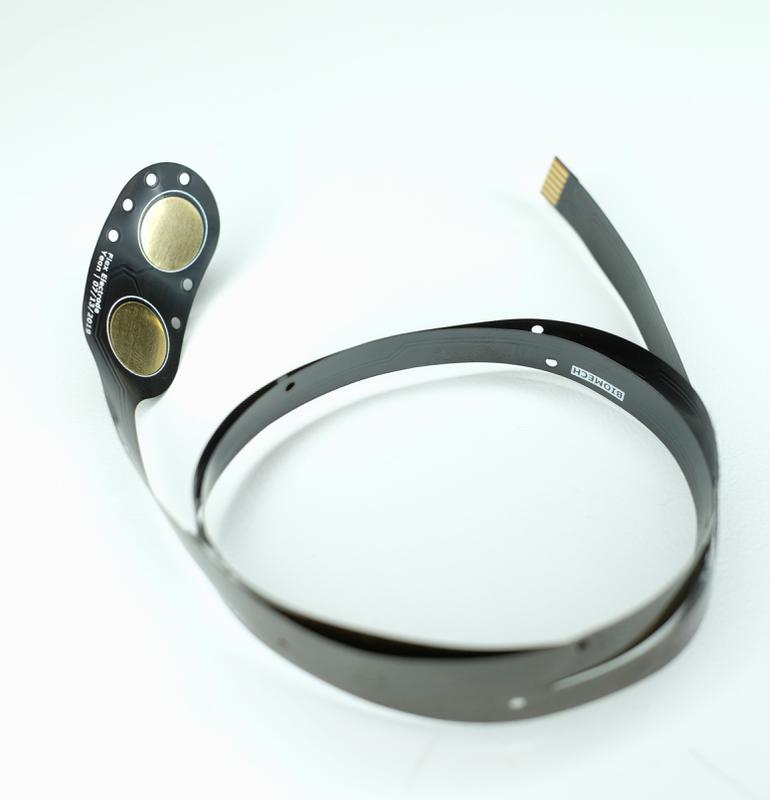
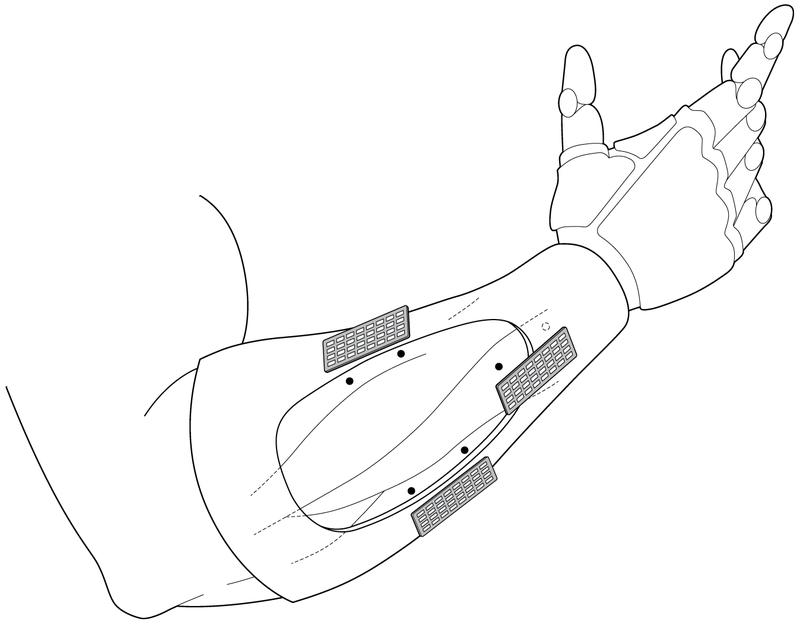
  • Flexible electrode for EMG acquistion

    Flexible dry electrodes for EMG acquisition within prosthetic sockets

    Acquisition of surface electromyography (sEMG) from a person with an amputated lower extremity (LE) during prosthesis-assisted walking remains a significant challenge due to the dynamic nature of the gait cycle. This project aims to develop a flexible dry electrode design for sEMG acquisition withi…

    Biomechatronics

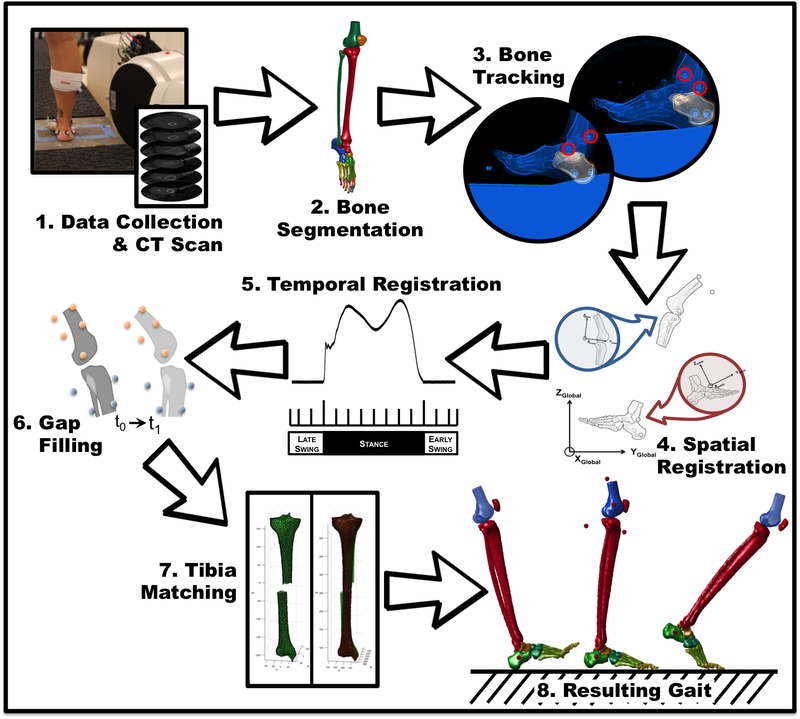
  • Gait Analysis Workflow

    Biplanar Fluoroscopy Gait Analysis

    Biplanar fluoroscopy (BiFlo) enables three-dimensional bone kinematics analysis using x-ray videos and bone geometry from segmented CT. Hindered by a small capture volume relative to traditional optical motion capture (MOCAP), BiFlo applications to human movement are generally limited to single-joi…

    Biomechatronics

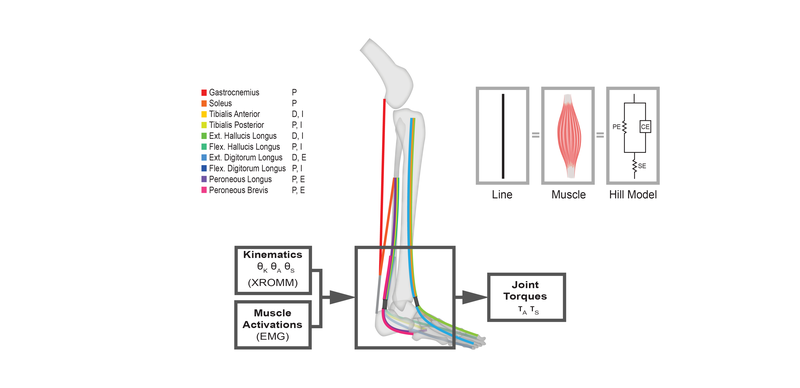
  • Model Overview

    3D neuromuscular model of the human ankle-foot complex

    During the gait cycle, the human ankle complex serves as a primary power generator while simultaneously stabilizing the entire limb. These actions are controlled by an intricate interplay of several lower leg muscles that cannot be fully uncovered using experimental methods alone. A combination of …

    Biomechatronics

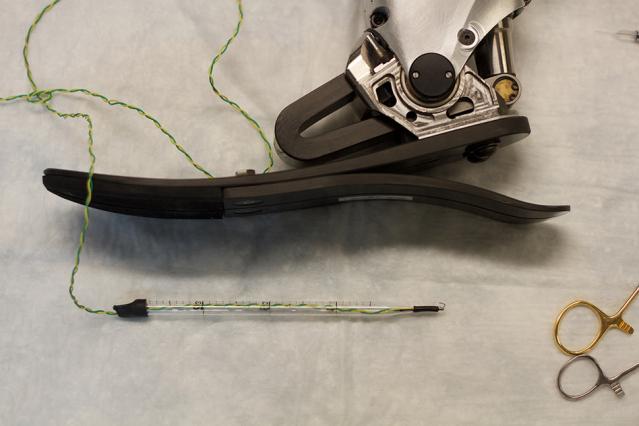
  • Magnetomicrometry: Tissue Tracking via Implanted Magnetic Beads

    Amputation, muscle weakness, and nerve damage can make it difficult to perform simple daily tasks. In this project, we are developing a minimally-invasive technology using magnetic beads to track muscle lengths in real time. This new technology can provide natural, reliable control of prostheses,…

    Biomechatronics

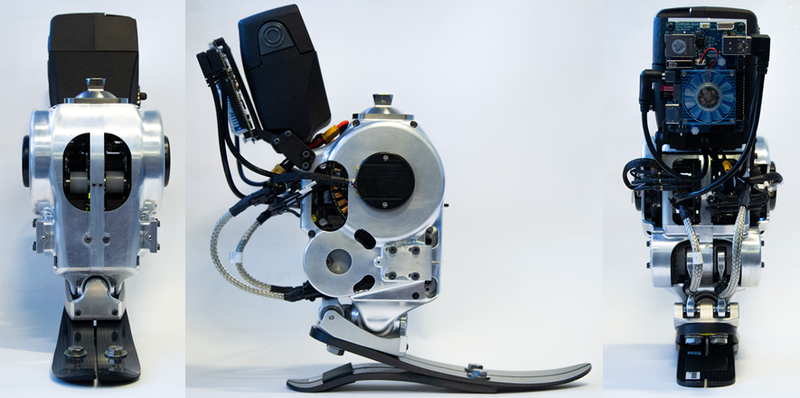
  • The TF8 Bionic Ankle.

    Personalized Bionics for Dynamic Gait

    The design of next-generation bionic ankles and knees aims to improve bionic actuators on all metrics: range of motion, power density, bandwidth, and mass, while adopting a futuristic aesthetic. We are pushing the limits of materials and magnetics, combined with new control topologies to enforce a …

    Biomechatronics

  • An osseointegrated prosthesis with bi-directional neural communication

    Recent advancements in orthopedic implants have made way for a new generation of bionic limbs that attach directly to the skeleton. Leveraging these "osseointegrated" implants to pass wires out of the body enables robust, long-term communication with residual muscles and the nervous system. We are …

    Biomechatronics

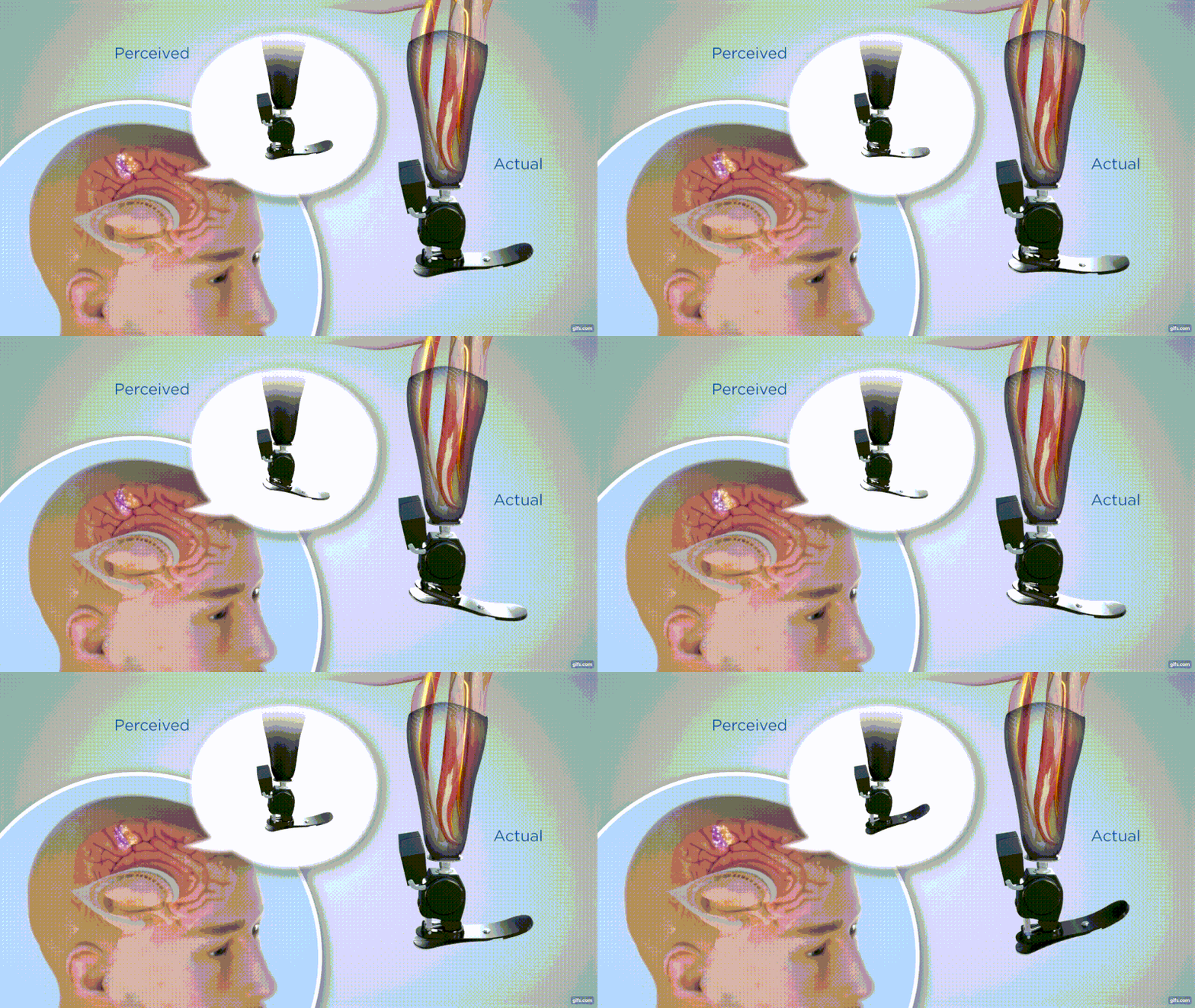
  • The AMI procedure preserved the normal signaling between Jim’s ankle-foot muscles and his brain. When Jim moves his phantom limb, the re-connected muscles move naturally in dynamic pairs, sending proprioceptive information through nerves to his brain.

    Agonist-antagonist Myoneural Interface (AMI)

    Humans can accurately sense the position, speed, and torque of their limbs, even with their eyes shut. This sense, known as proprioception, allows humans to precisely control their body movements. Today’s conventional prosthetic limbs do not provide feedback to the nervous system. Because of this, …

    Biomechatronics

  • Neural interface technology for advanced prosthetic limbs

    Recent advances in artificial limbs have resulted in the provision of powered ankle and knee function for lower extremity amputees and powered elbow, wrist, and finger joints for upper extremity prostheses. Researchers still struggle, however, with how to provide prosthesis users with full volition…

    Biomechatronics

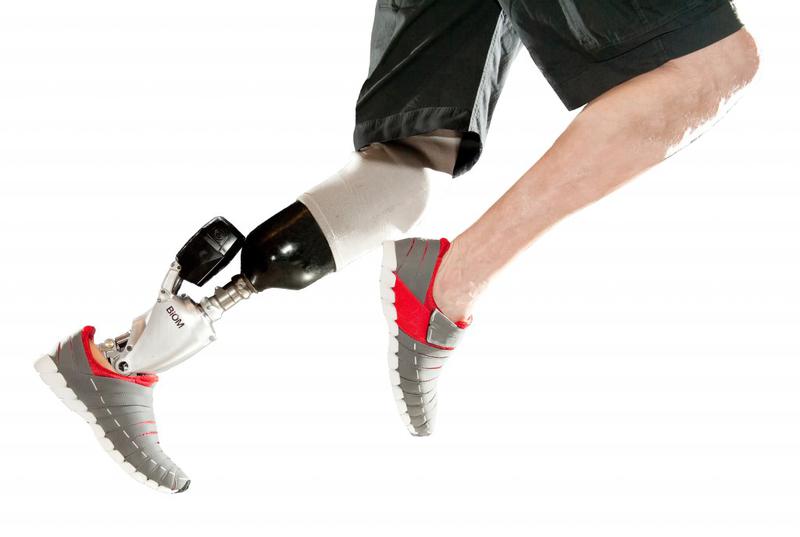
  • BiOM

    Effect of a powered ankle on shock absorption and interfacial pressure

    Lower-extremity amputees face a series of potentially serious post-operative complications. Among these are increased risk of further amputations, excessive stress on the unaffected and residual limbs, and discomfort at the human-prosthesis interface. Currently, conventional, passive prostheses hav…

    Biomechatronics

  • The TF8 Bionic Ankle.

    Powered Ankle-Foot Prosthesis

    The human ankle provides a significant amount of net positive work during the stance period of walking, especially at moderate to fast walking speeds. Conversely, conventional ankle-foot prostheses are completely passive during stance, and consequently, cannot provide net positive work. Clinical st…

    Biomechatronics