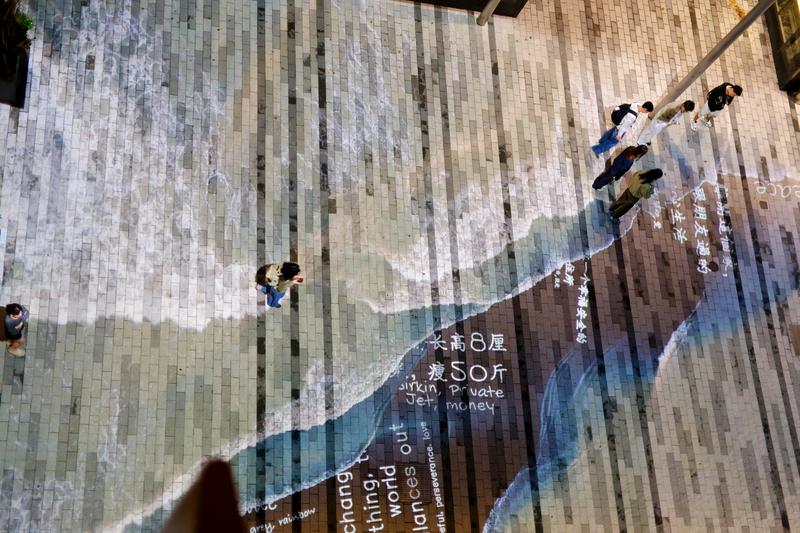
In a living ocean of the world's hopes, imagining together becomes radical.
About the Lab
In a living ocean of the world's hopes, imagining together becomes radical.
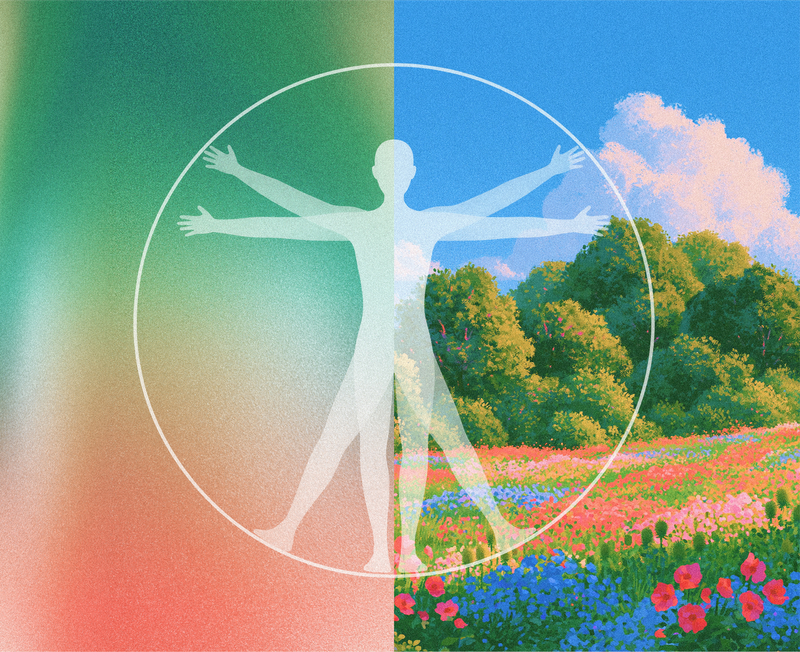
Stop asking what AI can do, and start asking what it does to us.
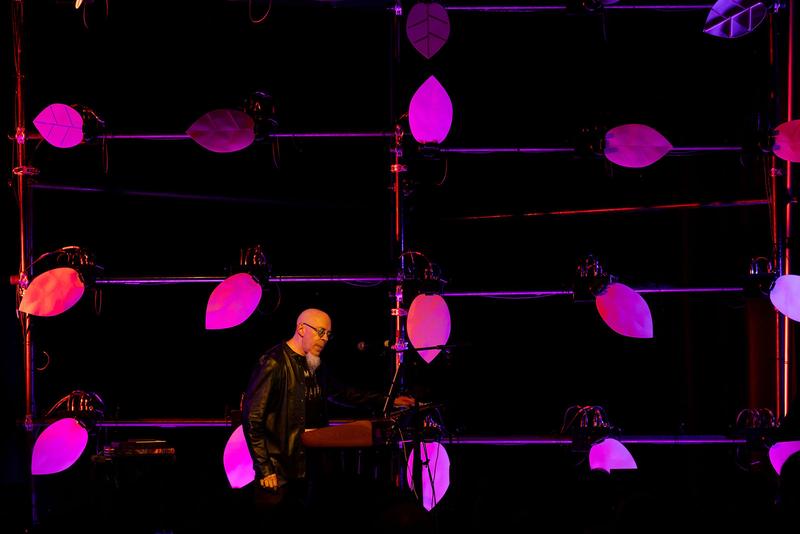
The AI isn't replacing the musician; it learned to jam from him.
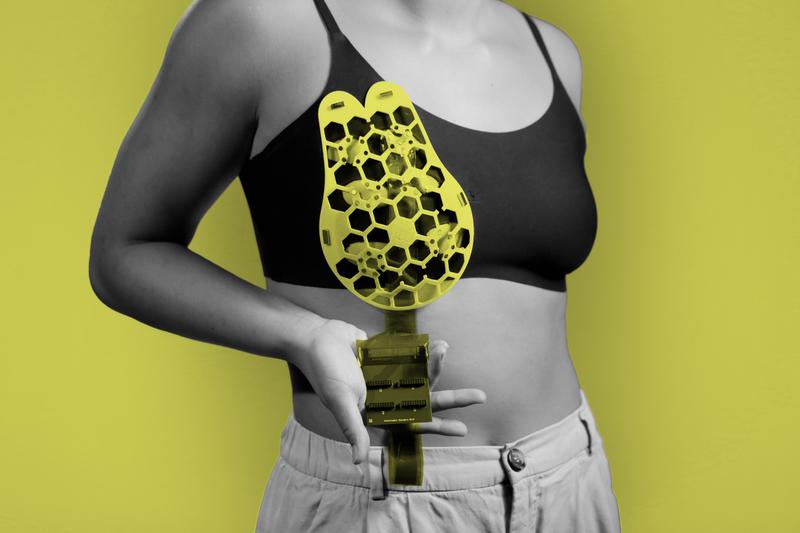
Solving for x in women's health, the field science overlooked for too long.

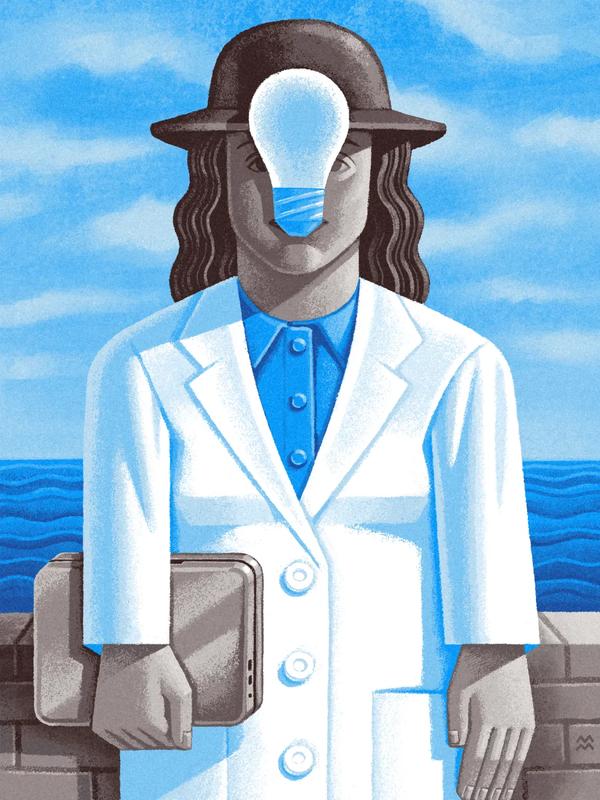
Responsible optimists, making headlines by asking who we're becoming.
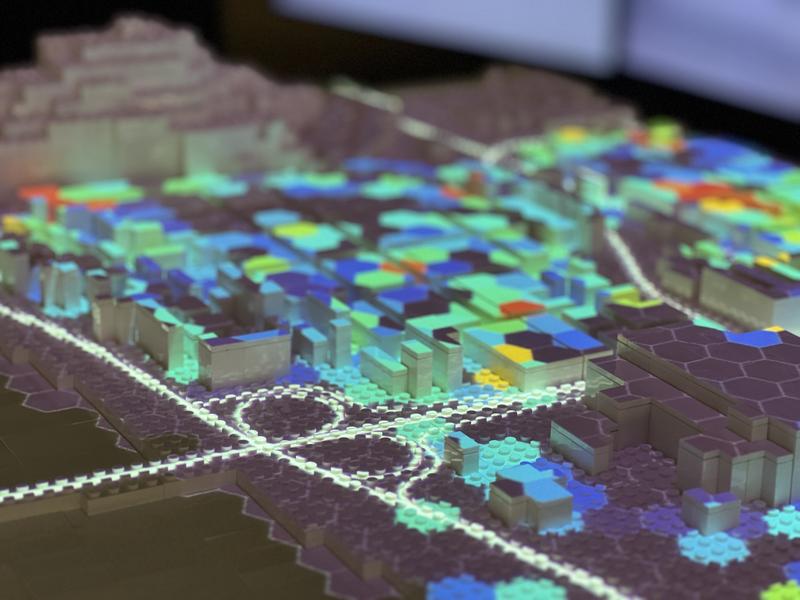
On the riverfront, residents help reshape their neighborhood instead of being cleared from it.
Under 35, and already rewriting the rules on Earth and in orbit.
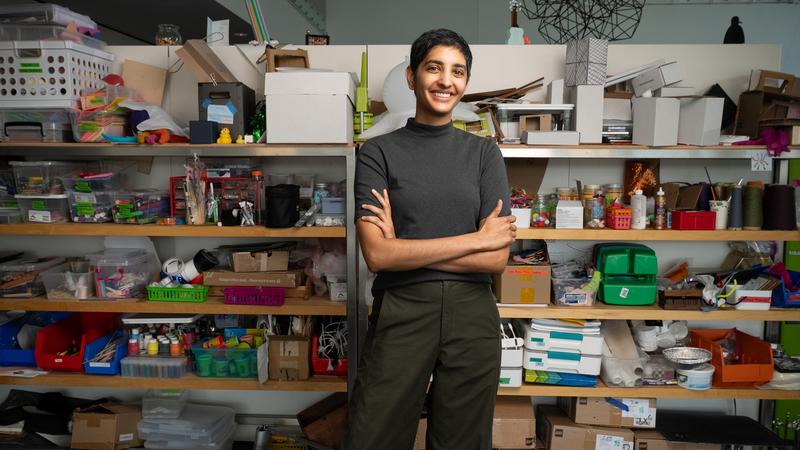
Technology that heals is built with communities, not thrown at them.
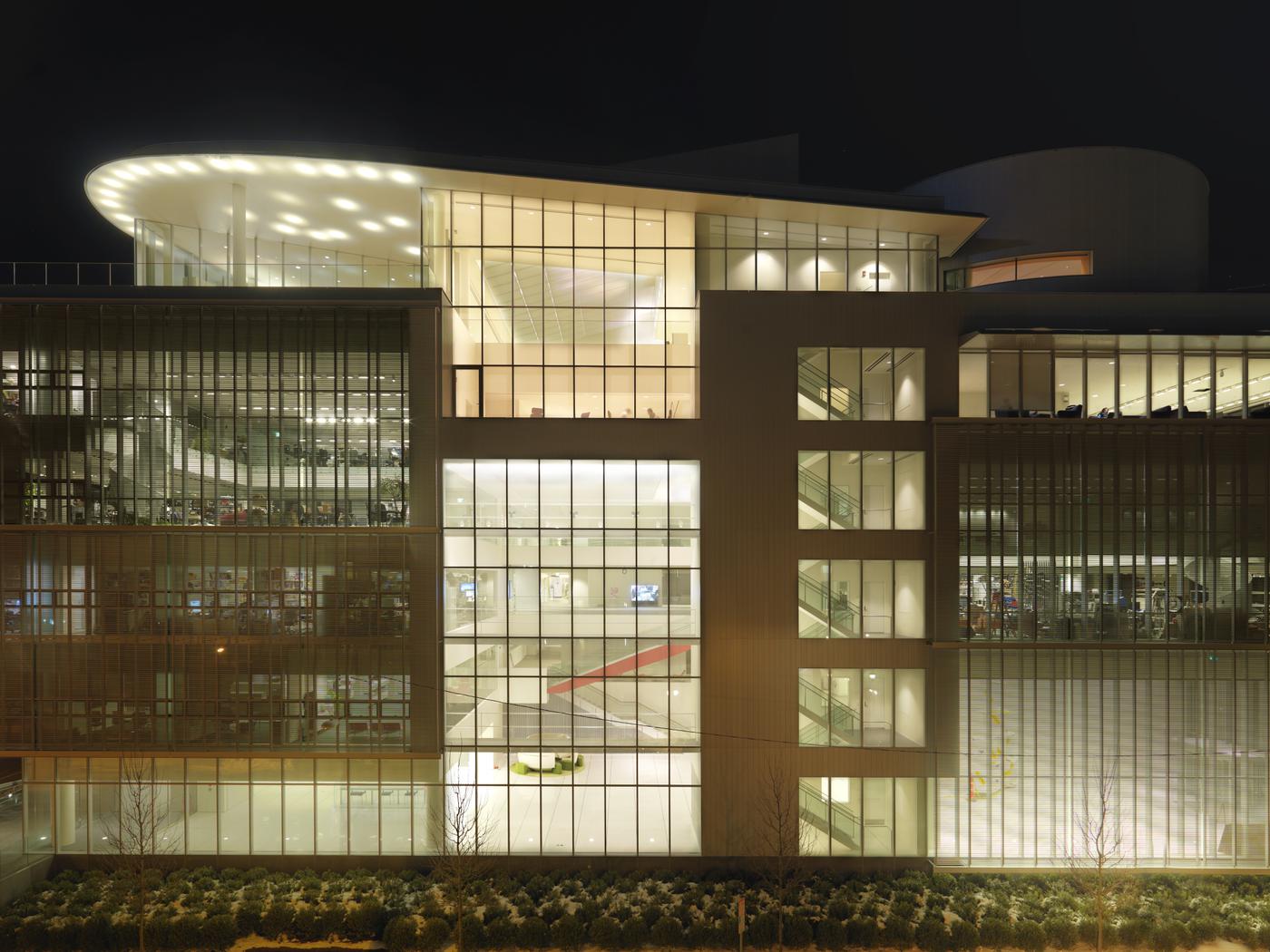
We ask what the world could be, and build to find out. A research community and home to a graduate program at MIT, the Lab brings different kinds of minds to questions no single discipline can answer alone. For forty years, those encounters have led us to invent new ways to learn, question, create, and experience the world.
.jpg.1400x1400.jpg)
Resonance turns a meditating monk’s brainwaves into changing water patterns and light—a meeting of art, sensing, and contemplative practice. Credit: Critical Matter Group, Yuxiang Cheng · Attribution 4.0 International
Credit:Critical Matter Group, Yuxiang Cheng
Some of what's familiar now began as an unfamiliar idea.
Electronic ink changed how we read. Scratch opened new ways for young people to create with code. Both were invented at the Media Lab. They're examples of our lasting ambition to give people new ways to learn, express themselves, and shape the world around them.
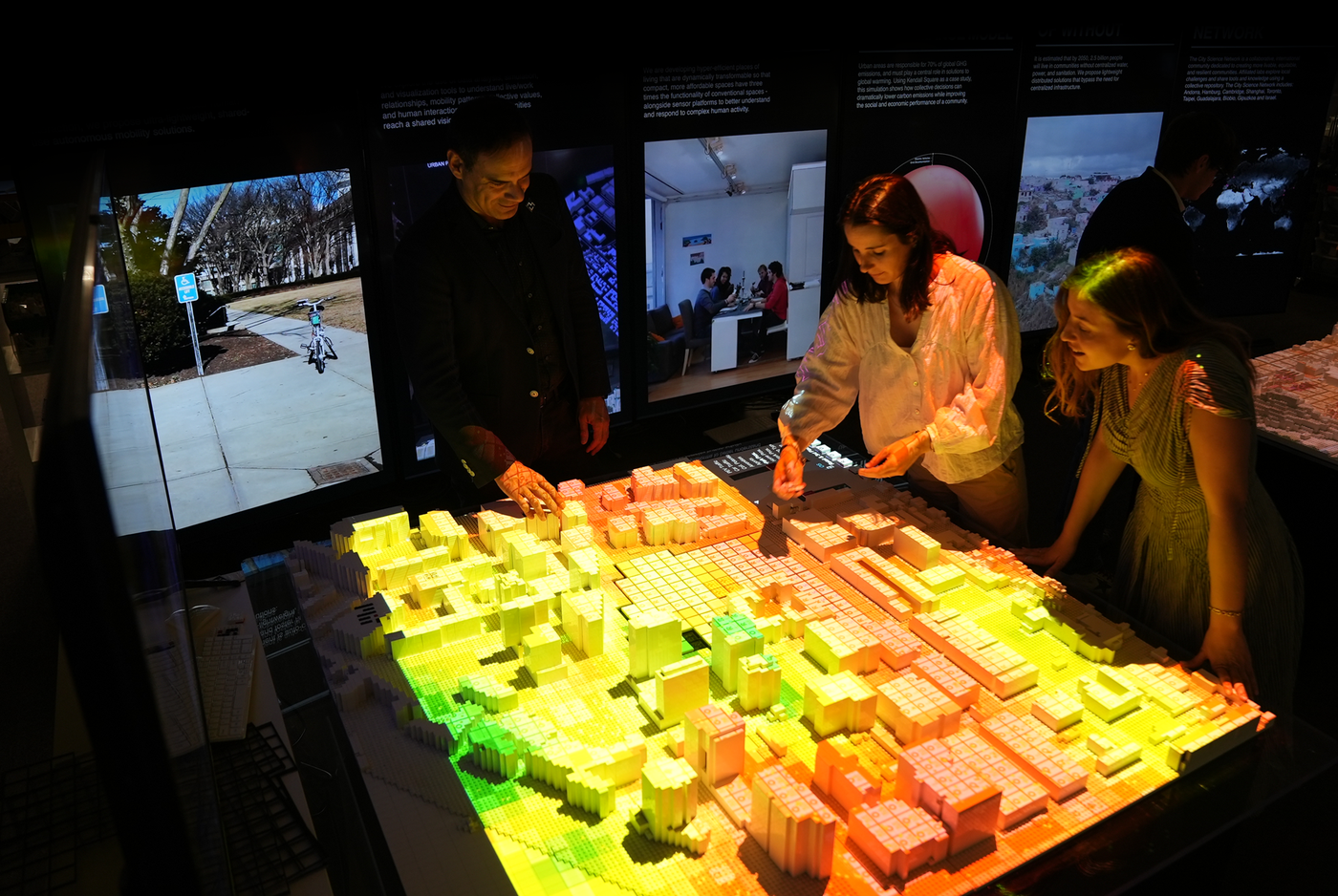
Rebuilding Kendall Square one block at a time: on City Science's CityScope table, every move updates a live simulation of how the community could perform.
Credit:Jimmy Day
When different minds meet, the questions change.
Rosalind Picard and Jocelyn Scheirer made a glove that turned changes in skin conductivity into light. An audience became part of the experiment. Then a visitor from Swatch asked whether the sensor could work on the wrist. Picard thought it wouldn't, until she tried it. The unexpected result changed what she thought the technology could become, and the questions she wanted to pursue.
The lab you wear outside the lab. Rosalind Picard recalls the Galvactivator and an unexpected discovery that opened new possibilities for wearable sensing.Credit: MIT Media Lab
We learn by making.
Students bring their own histories, skills, and questions. Through graduate research in Media Arts & Sciences, they develop those questions alongside faculty and fellow researchers. They make things, challenge assumptions, and learn across disciplines. A prototype is not only an answer. It is a way to ask a better question.

Canan Dagdeviren
The future, redesigned by all.
Our mission: to create transformative technologies, experiences, and systems that enable people to reimagine and redesign their lives. We engage people everywhere in creative experiences integrating art, science, design, and engineering. Experimenting in the spaces where humanity and technology interface, we work with organizations and communities to transform people's dreams and ideas into reality through education, research, innovation, and inspiring creativity.
Our vision: to invent a better and more just future—by, with, and for all. Our community of students, researchers, faculty, and staff seeks to transform ideas into impactful new applications, fields, and movements by exploring imaginatively, experimenting iteratively, collaborating playfully, and analyzing critically. We will create opportunities for people to engage in creative exploration and envision better lives, communities, and environments.

MIT Media Lab
Shared Values
We've never been interested in fitting in. And we don't expect anyone else to.
Diversity, equity, and inclusion aren't words we post; they're work we do every day, so we value and welcome every member of our community, no matter their race, gender, sexual orientation, ethnicity, disability, religion, or any other part of who they are.
.jpg.1400x1400.jpg)
Ziv Epstein
Don't just watch the future happen. Fund the people building it.
Membership brings your team directly onto the lab floor to solve intractable problems alongside world-class pioneers who defy traditional boundaries. Philanthropic gifts ignite the radical, open-ended research that redefines what humanity can create next, fueling breakthroughs that no standard budget would ever risk. Together, these forces drive tangible real-world impact while giving your organization a frontline stake in inventing a better world.
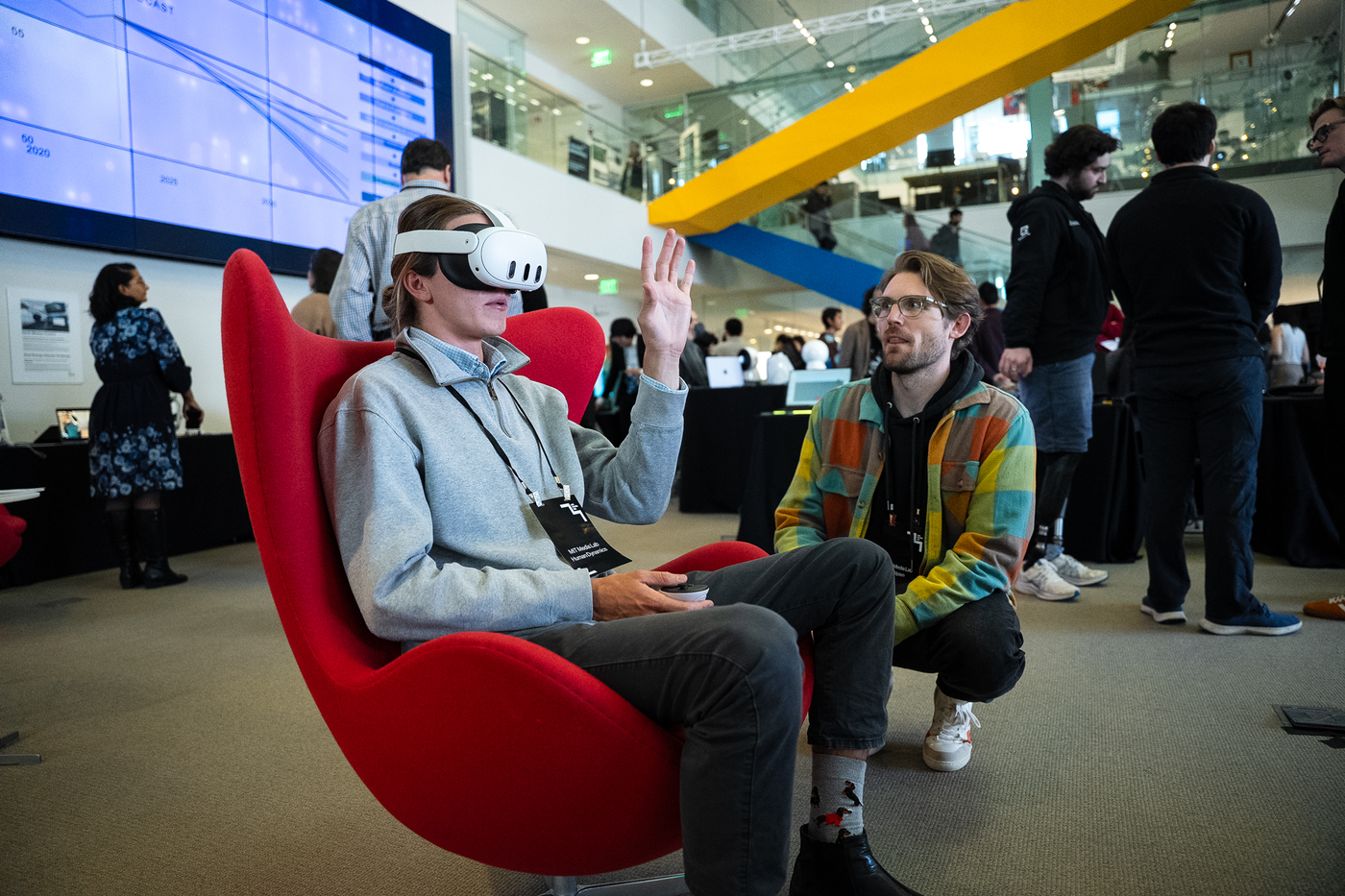
What happens to a room when one person isn't fully in it?
Credit:Dan Allen | MIT Media Lab
The next forty years need technology people can shape. What should technology help us do? What should remain ours? At the Media Lab, different minds pursue those questions together, creating tools and experiences that expand human expression, choice, and connection—and help build a better world.
You've got questions; we've got answers. If they're not here, contact us and we'll help!
Foundation, government, and other support.
Endowment and naming grant donors.
Professor of Media Arts and Sciences
Here you'll find information, best practices, and links to resources for virtual conferencing, working remotely, good hygiene, and more.
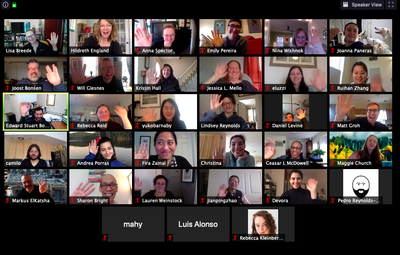
Here you'll find posts, ideas, and resources for helping our community stay connected.