
Camera Culture
Making the invisible visible–inside our bodies, around us, and beyond–for health, work, and connection
Making the invisible visible–inside our bodies, around us, and beyond–for health, work, and connection

Augmenting and mediating human experience, interaction, and perception with sensor networks
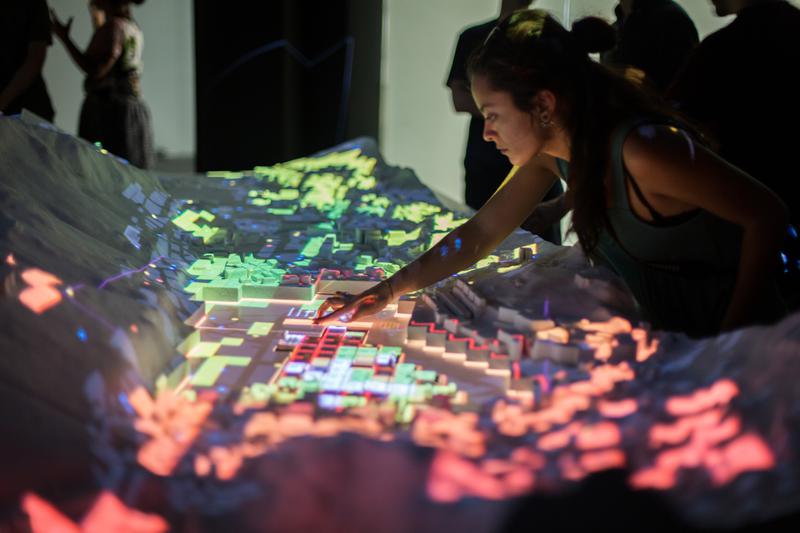
Looking beyond smart cities
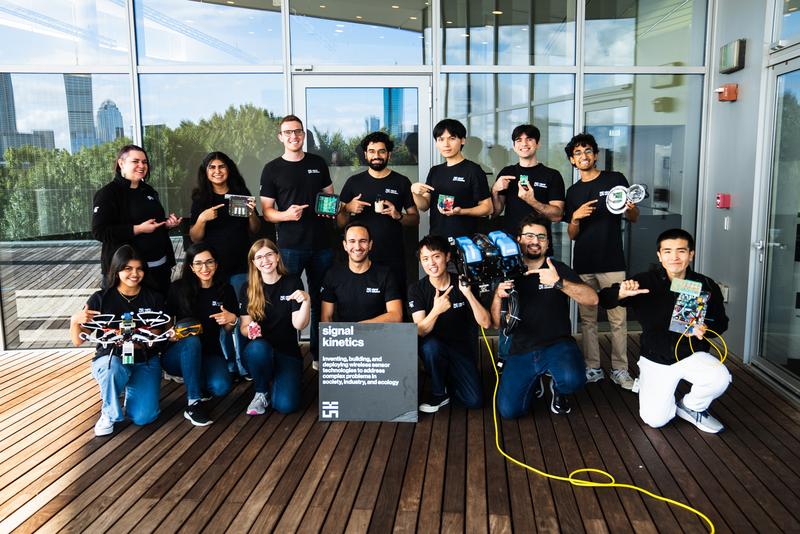
Inventing, building, and deploying wireless sensor technologies to address complex problems in society, industry, and ecology
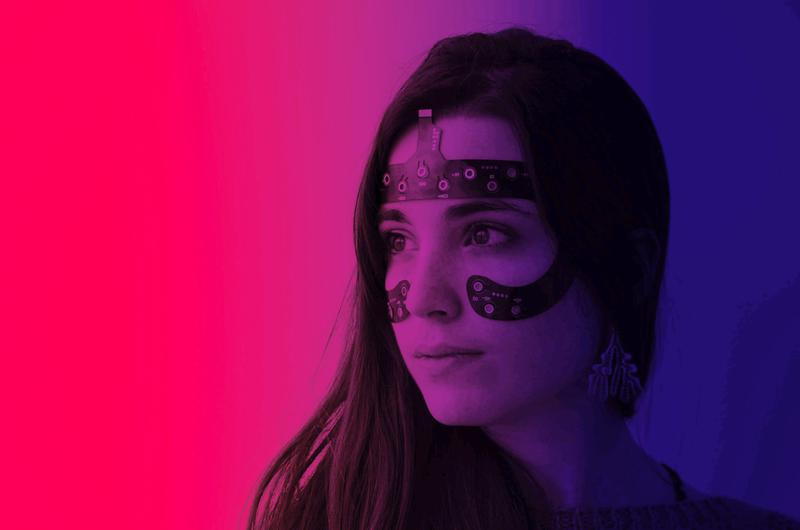
Designing Systems for Cognitive Augmentation

Invent new tangible and embodied interactions that inspire, engage, and connect people
Exploring the future of music through AI, multisensory expression, creativity, and sonic healing.

Advancing human wellbeing by developing new ways to communicate, understand, and respond to emotion
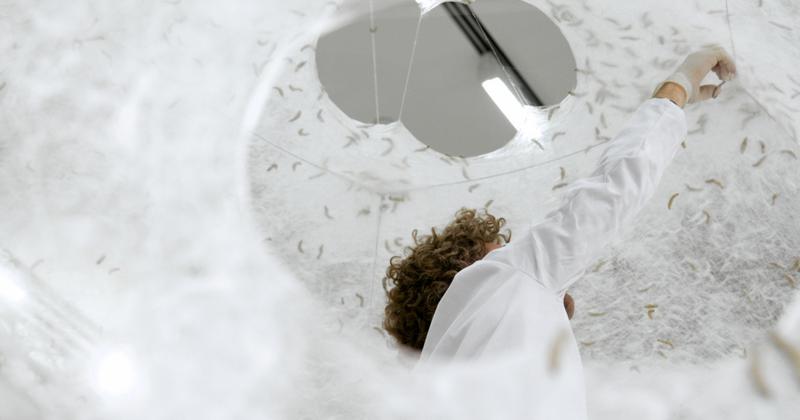
Designing for, with, and by nature
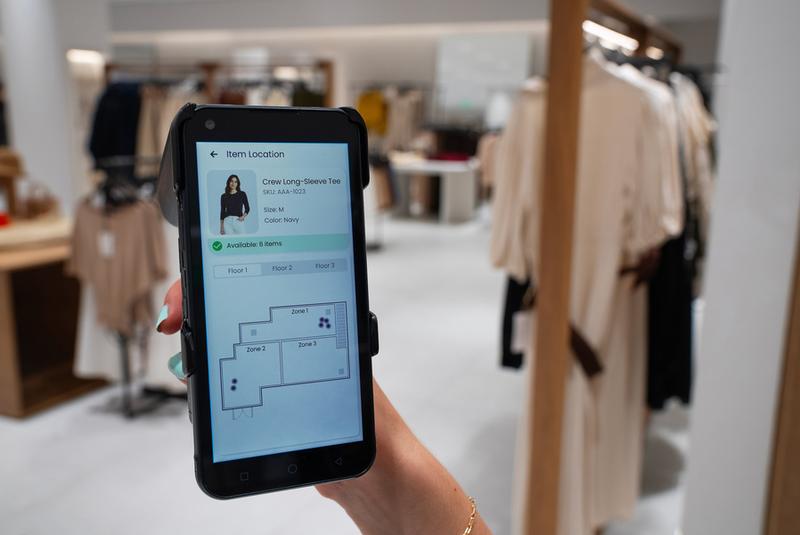
Cartesian, an MIT Media Lab startup, uses RFID to track retail inventory in real-time, now deployed in 700+ stores across 55 countries.

Life with AI | Designing the future of smart systems to improve the human experience

Future Worlds | Design and action for the future we want to live in

Connected Mind + Body | Revolutionizing the future of mental and physical wellbeing

Designing, prototyping, and building the artifacts of our sci-fi space future
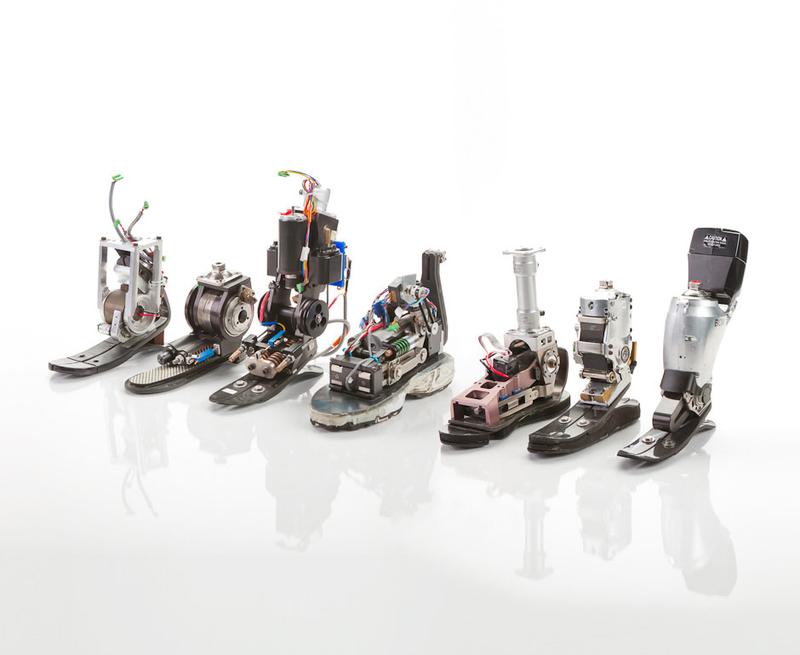
Enhancing human physical capability

Engineering at the limits of complexity with molecular-scale parts
Exploring how social networks can influence our lives in business, health, governance, and technology adoption and diffusion
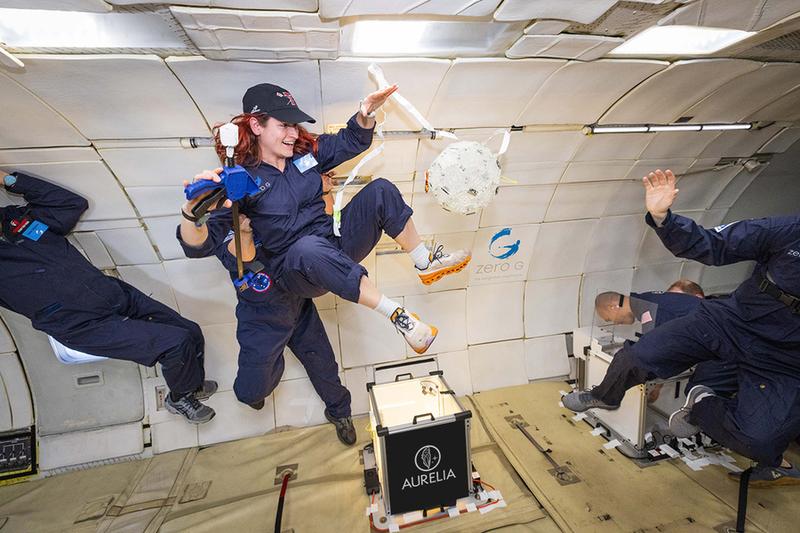
Aurelia Institute serves as a research lab, an education and outreach center, and a policy hub for the space industry.

Butlr, founded by former Media Lab researchers, uses insights from thermal sensors to make buildings safe and efficient.

“We are adding a new layer of control between the world of computers and what your eyes see,” says Barmak Heshmat, co-founder of Brelyon

The startup Augmental allows users to operate phones and other devices using their tongue, mouth, and head gestures.

“Us” aims to help people develop their sense of empathy. It uses machine learning to analyze interlocutors’ signals (e.g., choice of words, tone of voice, facial expressions, electrodermal activity, etc.) during conversations, and feeds the emotional content back to them in real time and through …

The following spinoffs were recognized in different industry sectors.
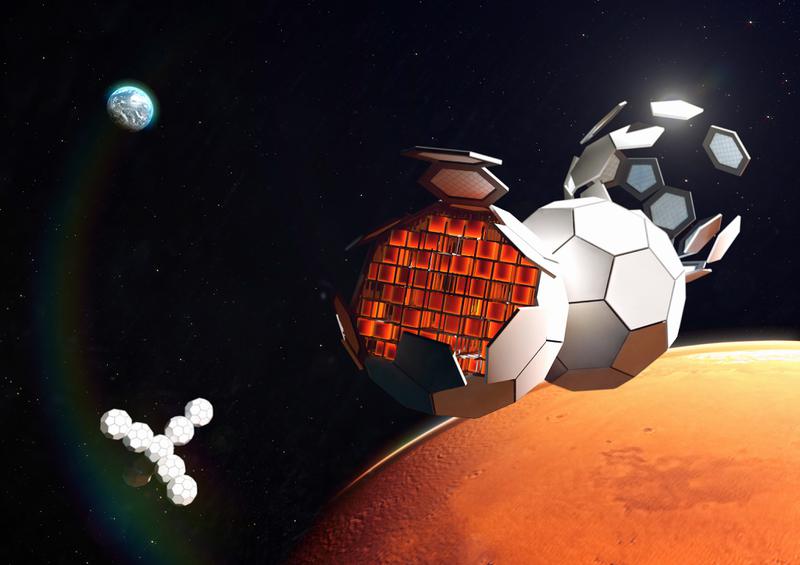
Overview: How will we build the coming generations of Space Architecture—the modules, space ships, and space stations that will ensconce our space-faring species? Can we move beyond the 20th century paradigm of cylindrical tubes in orbit, to geodesic dome habitats, to microgravity concert halls, t…