
City Science
Looking beyond smart cities
Looking beyond smart cities
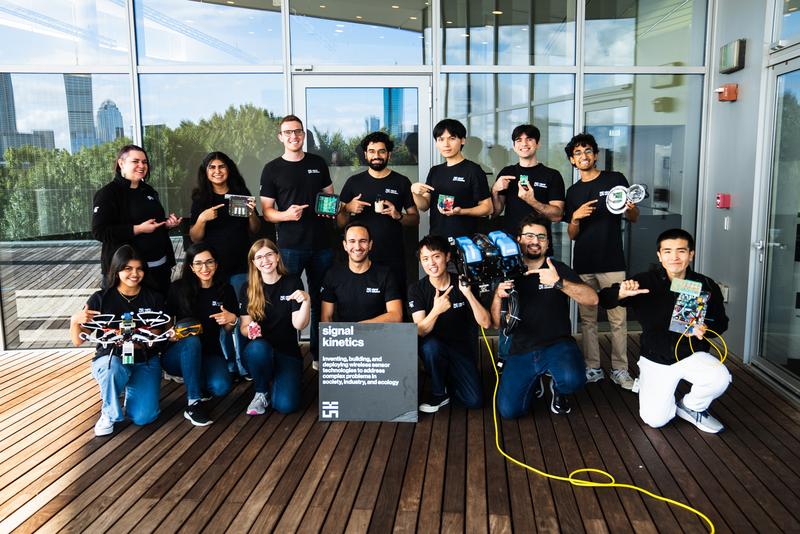
Inventing, building, and deploying wireless sensor technologies to address complex problems in society, industry, and ecology

Invent new tangible and embodied interactions that inspire, engage, and connect people
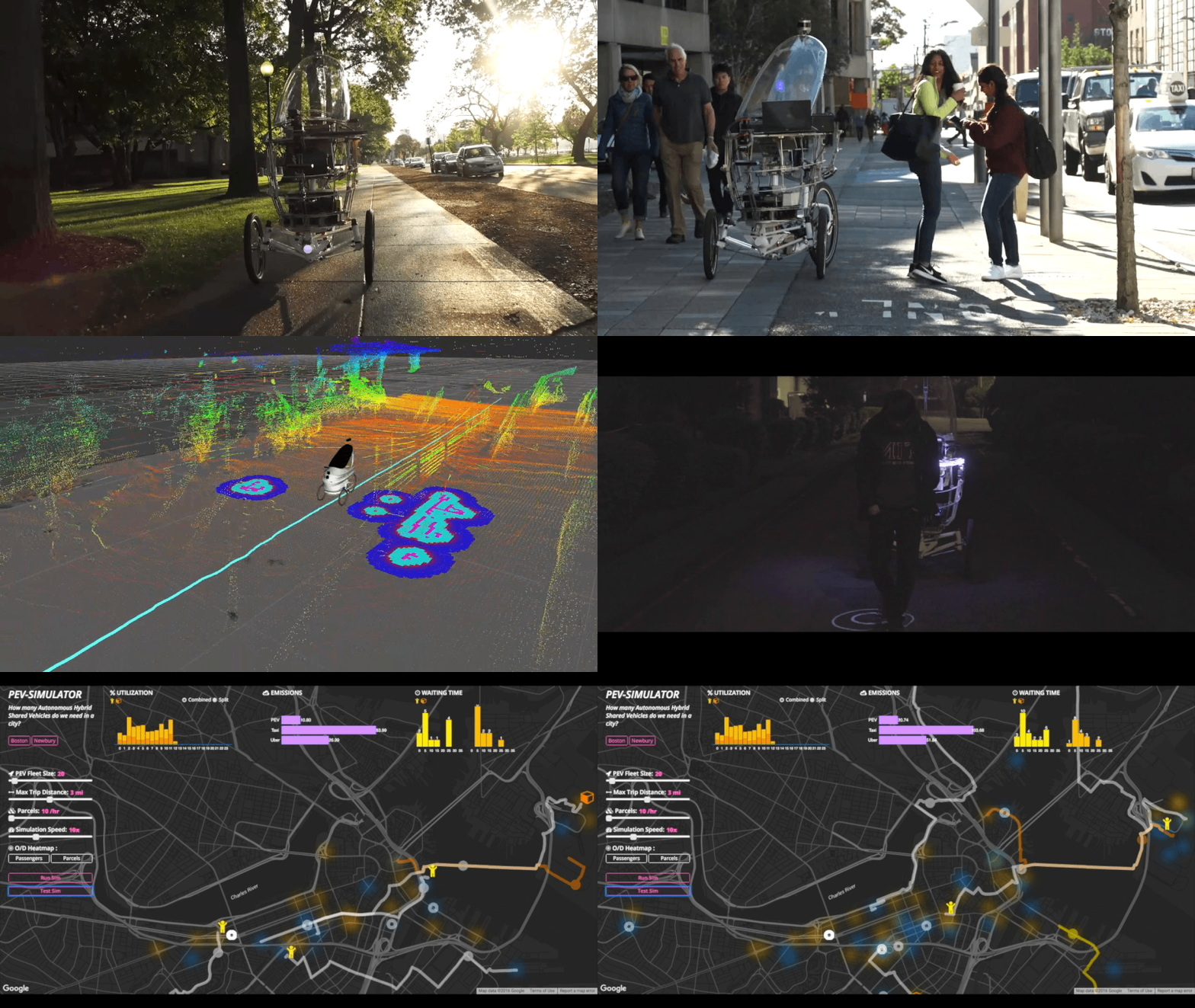
Urban populations around the world are rapidly growing. To improve livability, urban residents must reduce dependency on fossil fuels and private cars, while needing efficient equitable access to inexpensive and reliable transportation.Urbanization has outpaced transportation innovation as we know …
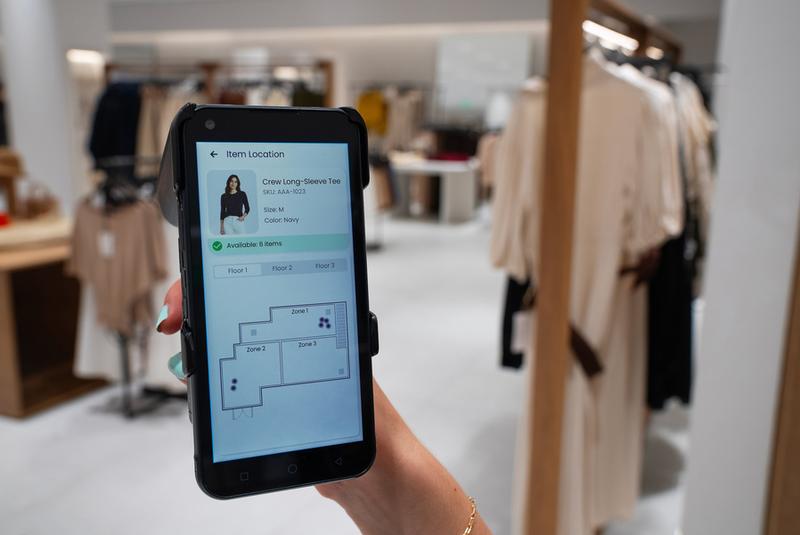
Cartesian, an MIT Media Lab startup, uses RFID to track retail inventory in real-time, now deployed in 700+ stores across 55 countries.

Life with AI | Designing the future of smart systems to improve the human experience
Future Worlds | Design and action for the future we want to live in
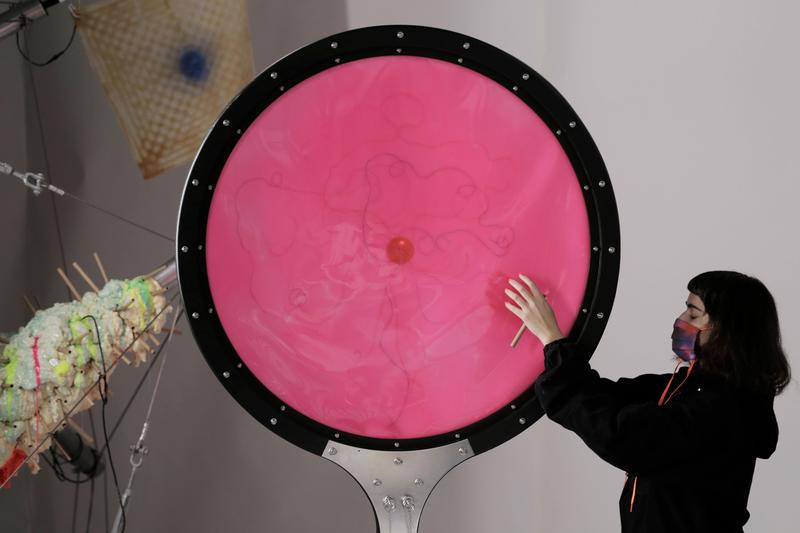
Cultivating Creativity | Catalyzing a global movement enabling everyone to unlock and unleash their individual and collective creativity

Connected Mind + Body | Revolutionizing the future of mental and physical wellbeing

AlterEgo is a non-invasive, wearable, peripheral neural interface that allows humans to converse in natural language with machines, artificial intelligence assistants, services, and other people without any voice—without opening their mouth, and without externally observable movements—simply by ar…
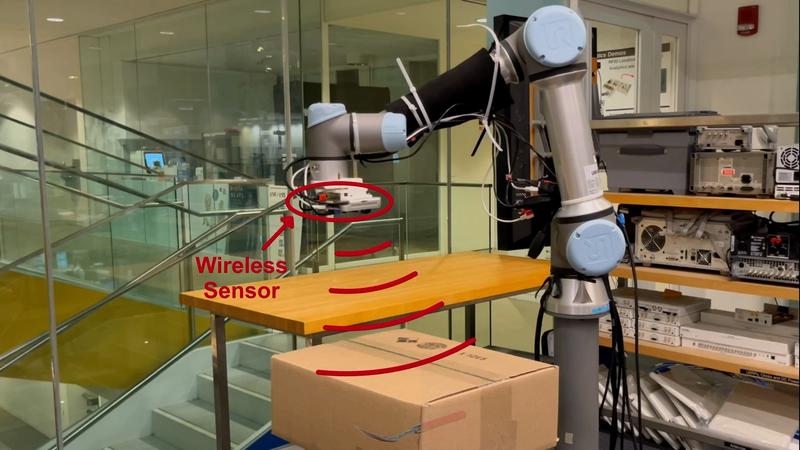
What if devices could see through walls, boxes, and clutter?We’ve developed mmNorm, a new technology that creates 3D models of objects—even when they’re completely hidden from view. While traditional cameras and LiDAR systems can only detect and recontruct what’s in their direct line of sight, mmNo…
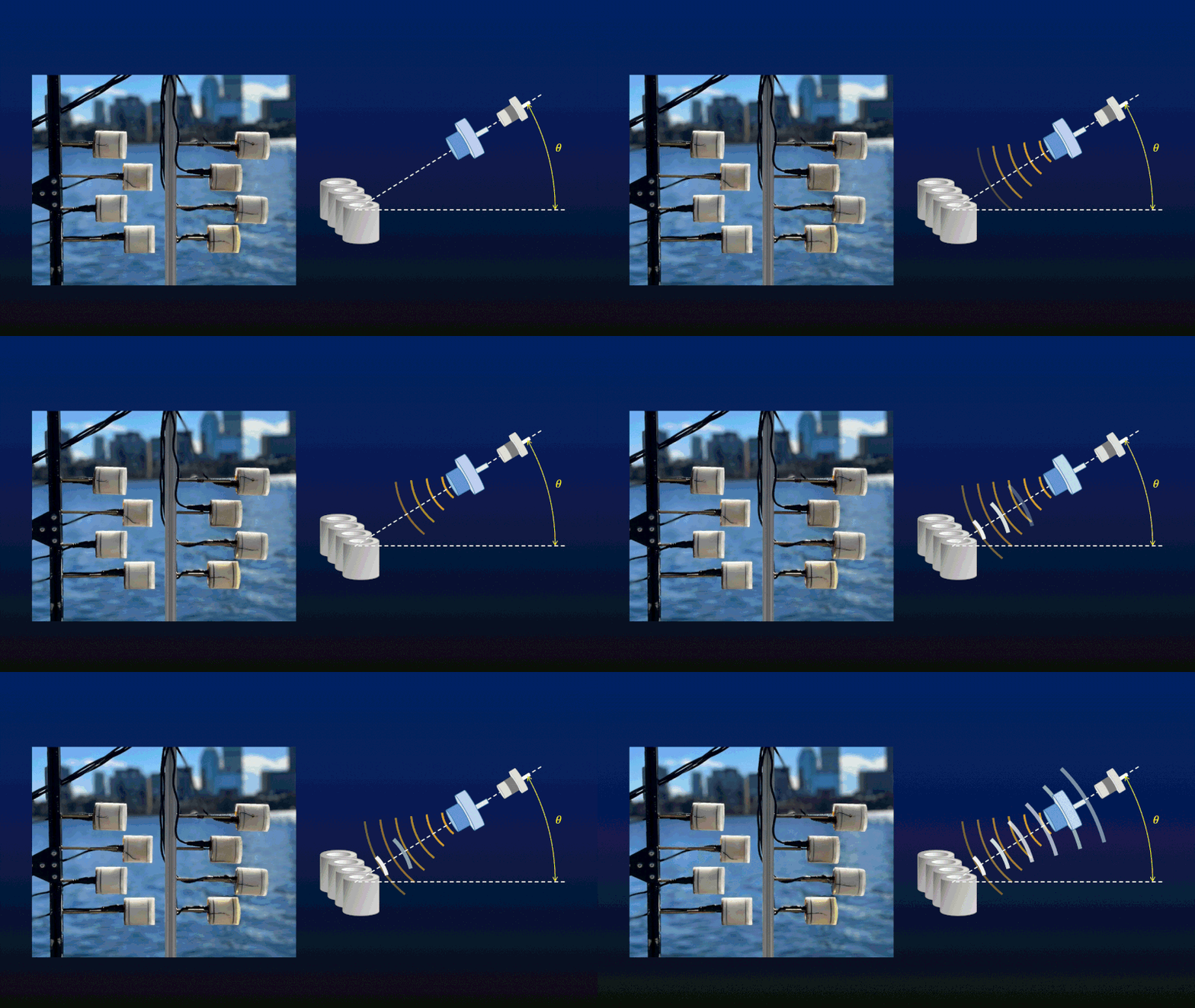
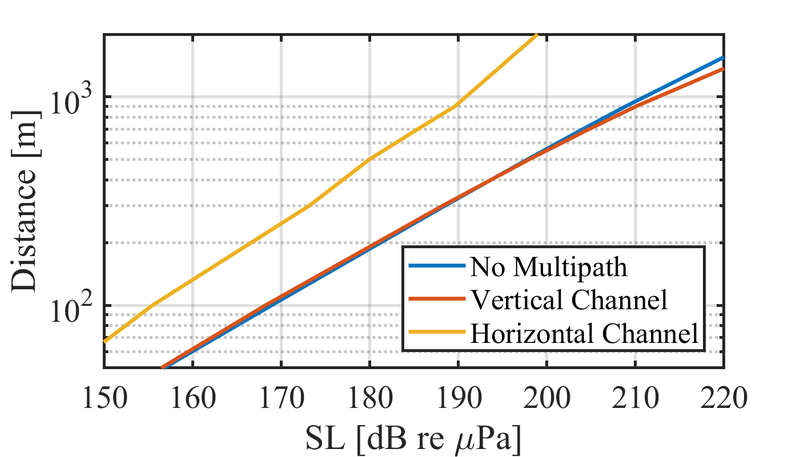
Van-Atta Acoustic Backscatter (VAB) is the first technology for ultra-low-power underwater networking and communication, which can transmit signals across kilometer-scale distances. The technology builds on a technique we invented—called underwater backscatter—which communicates at 1 million times …
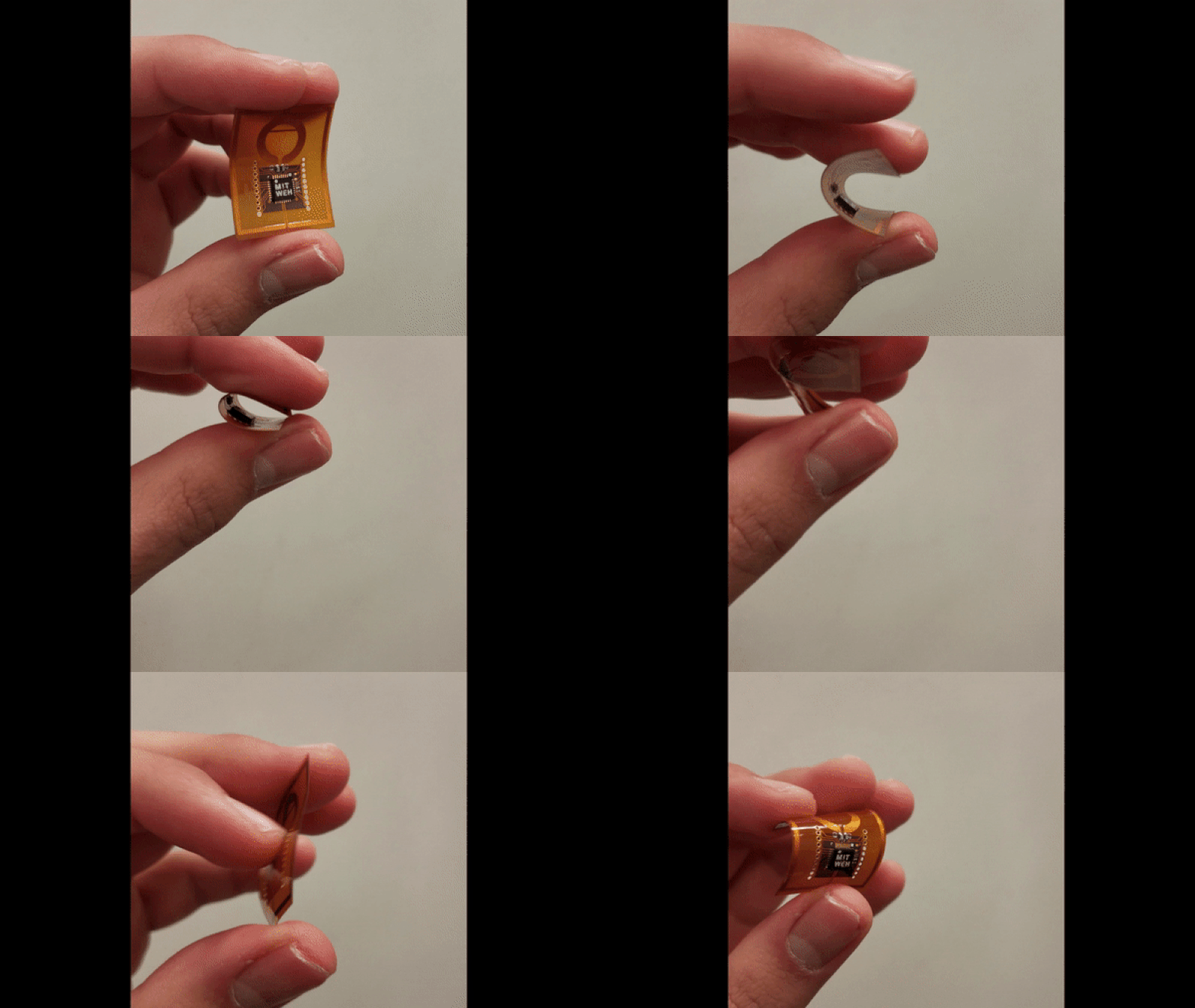
New technology for next-generation wireless + batteryless micro-implantsThese wireless batteryless micro-chips can reprogram themselves inside the body, and open up new capabilities in drug delivery, long-term monitoring, and early disease detection.We present the design, implementation, and evalua…
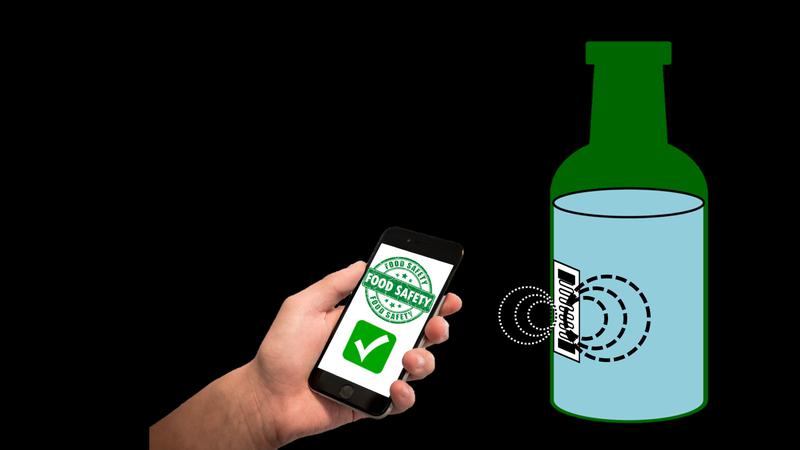
We have developed a wireless system that leverages the inexpensive RFID tags already on hundreds of billions of products to sense potential food contamination. Our system, called RFIQ (Radio Frequency IQ), aims at democratizing food quality and safety, bringing it to the hands of consumers.
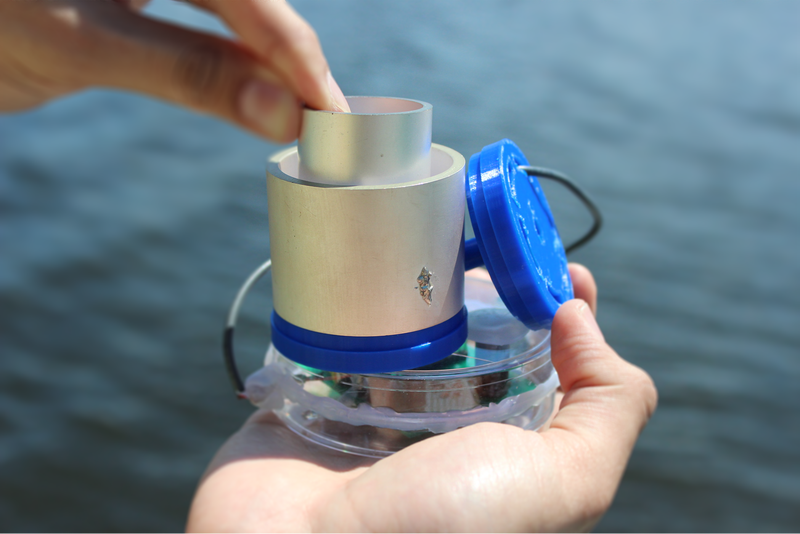
We present the design, implementation, and evaluation of 𝑈2𝐵, a technology that enables scalable ad ultra-low power ocean IoT. At the core of 𝑈2𝐵’s design is a novel metamaterial inspired transducer for underwater backscatter, and algorithms that enable self-interference cancellation and FDMA-base…
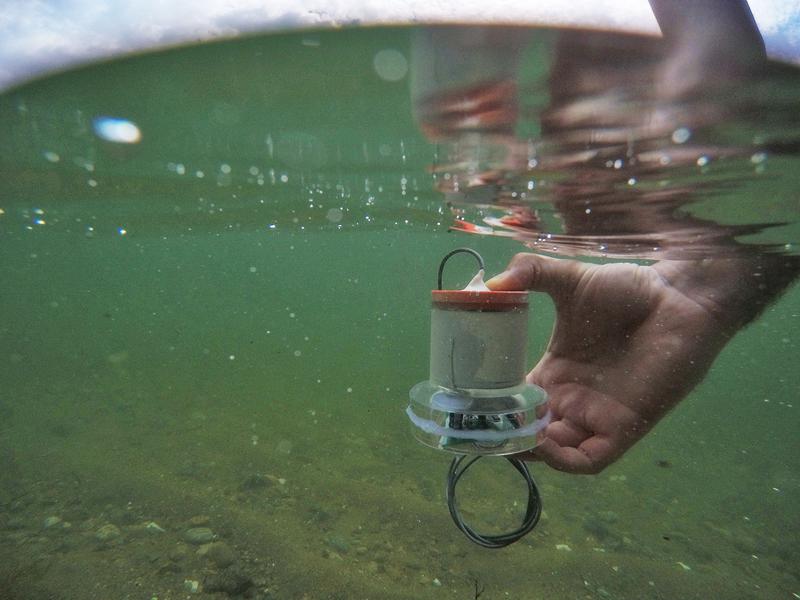
Our Oceans IoT technologies enable new applications in climate and ecological monitoring, aquaculture, energy, and robotic navigation. Bringing massive connectivity to low-cost, low-power ocean sensors is important for numerous oceanographic applications across climate/weather modeling, marine biol…
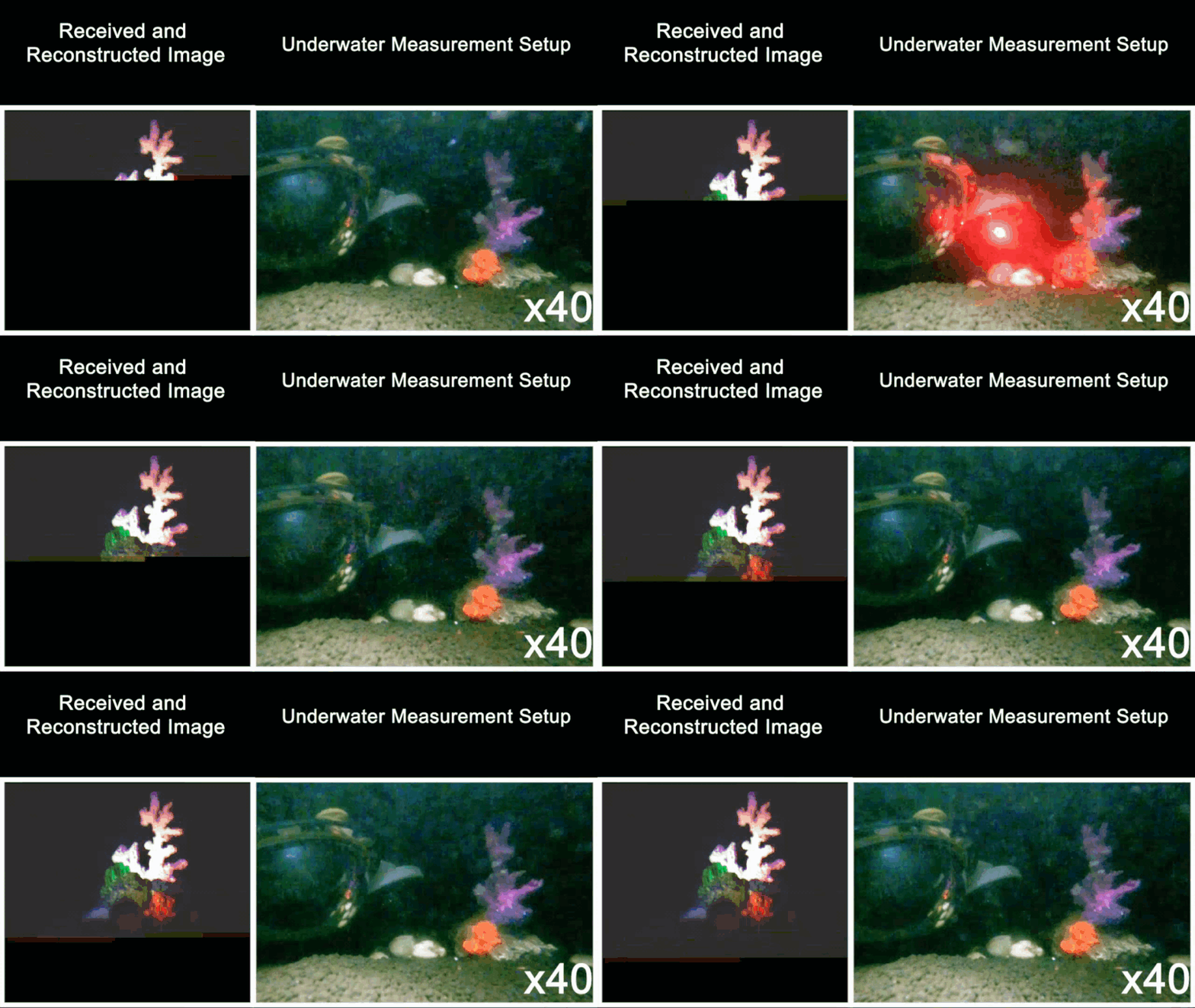
More than 95% of the ocean has never been observed by humans, even though the ocean plays the largest role in the world's climate system, has so many undiscovered species, and regulates the world's weather.We invented the world's first battery-free wireless underwater camera. The camera is powered…
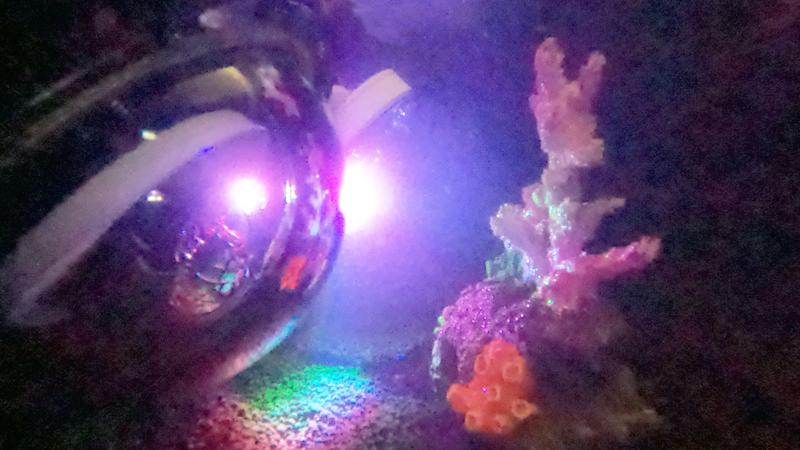
The Signal Kinetics lab's underwater camera project was chosen as a research highlight in the current issue of Nature Electronics
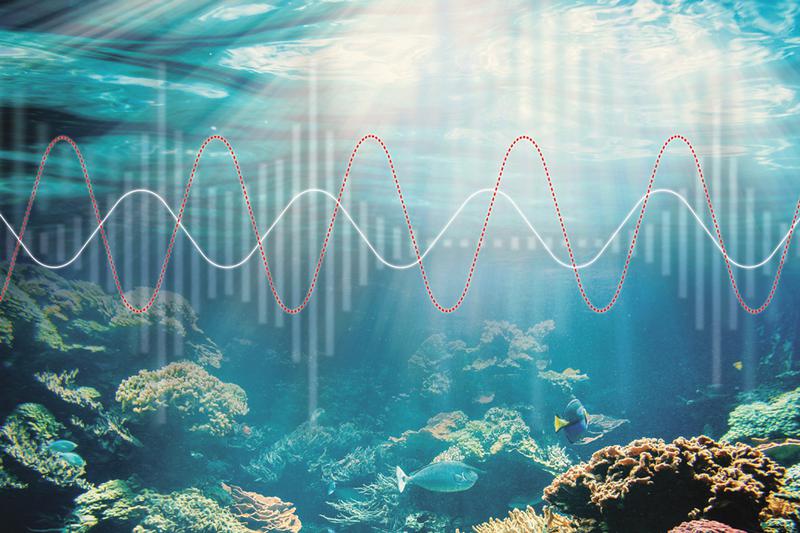
Team Pulse of the Ocean becomes an Explorer Prize winner in the DISCOVER Competition—the first stage of the Ocean Observing Prize.
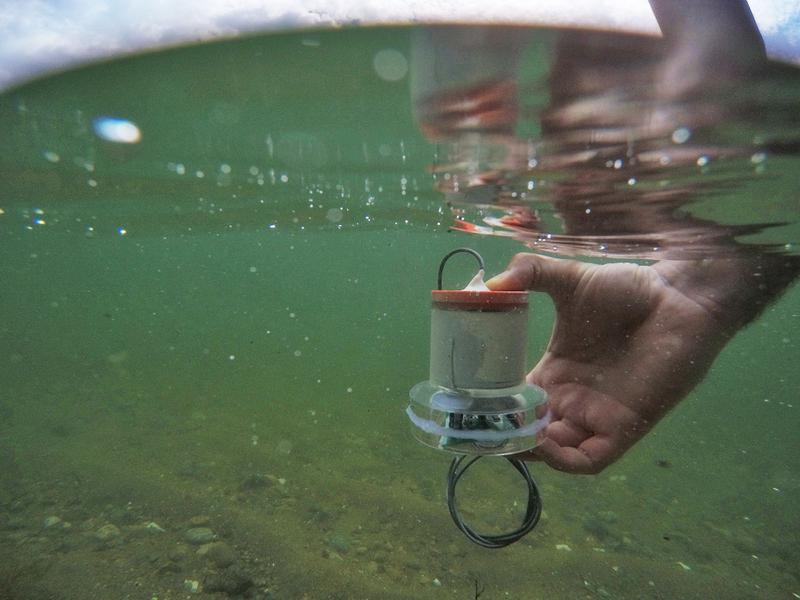
We present Piezo-Acoustic Backscatter (PAB), the first technology that enables backscatter networking in underwater environments. PAB relies on the piezoelectric effect to enable underwater communication and sensing at near-zero power. Its architecture is inspired by radio backscatter which works w…
A new device extracts energy from ambient noise
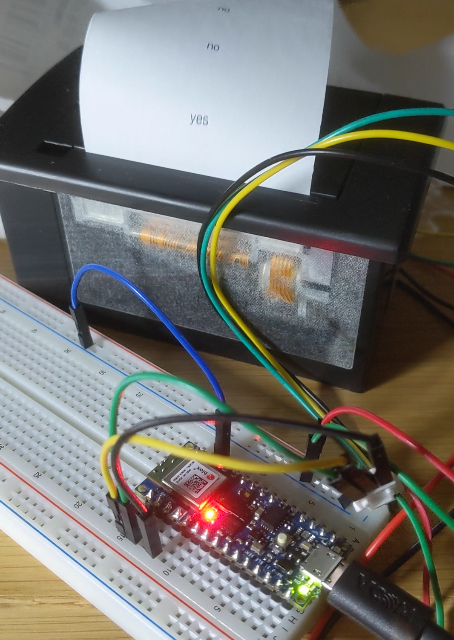
An open source digital instrument to check if institutions still exist, and alert when they don't exist anymore.The instrument periodically pings Wikipedia, and checks if the article is written in present or past tense. When it changes to past tense, the institution is no more, and the instrument…
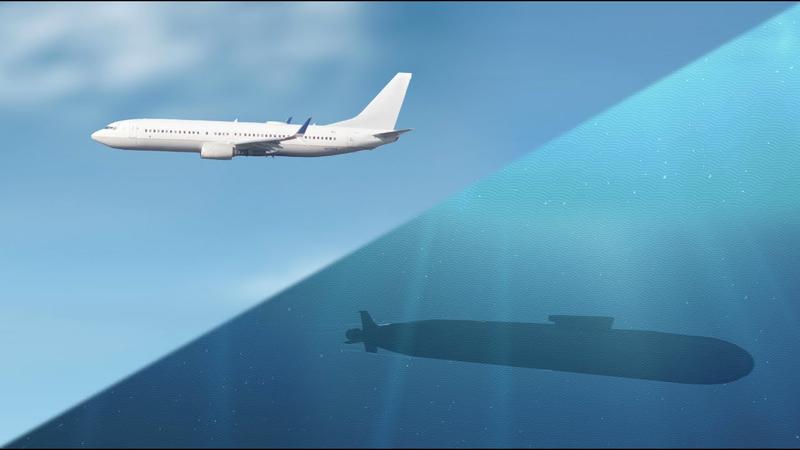
Did you know that submarines today still cannot wirelessly communicate with airplanes? For decades, communicating between underwater and the air has remained an unsolved problem. Underwater, submarines use acoustic signals (or SONAR) to communicate; in the air, airplanes use radio signals like cell…