Skip to content

Research: Projects

Projects

  • Autonomous and Surgery-free Brain-Computer Interface (BCI)

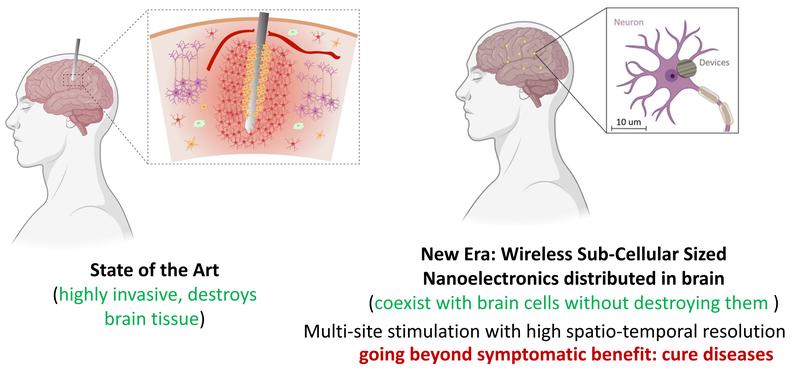
    What if clinicians could place tiny electronic chips inside the brain without the need for any surgery but with a simple injection in the arm?This could help to treat deadly and devastating brain diseases which drugs/chemicals cannot fix and eliminate surgery risks as well as 100,000 dollars of sur…

    Nano-Cybernetic Biotrek

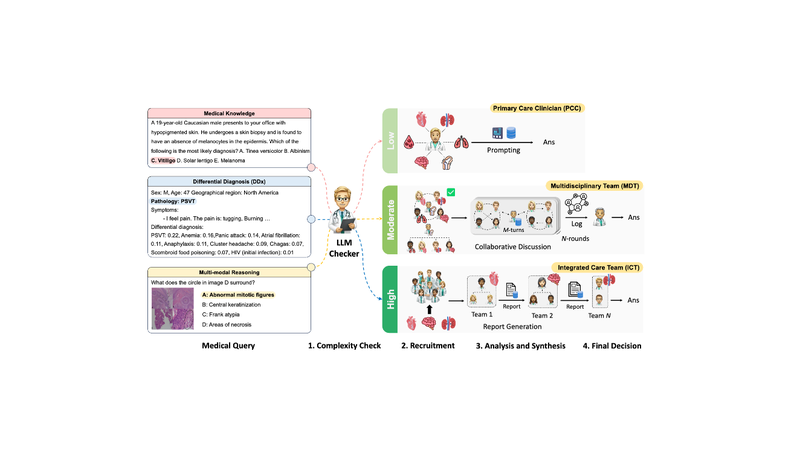
  • MDAgents: Adaptive Collaboration Strategy for LLMs in Medical Decision Making

    Foundation models have become invaluable in advancing the medical field. Despite their promise, the strategic deployment of LLMs for effective utility in complex medical tasks remains an open question. Our novel framework, Medical Decision making Agents(MDAgents) aims to address this gap by automat…

    Personal Robots

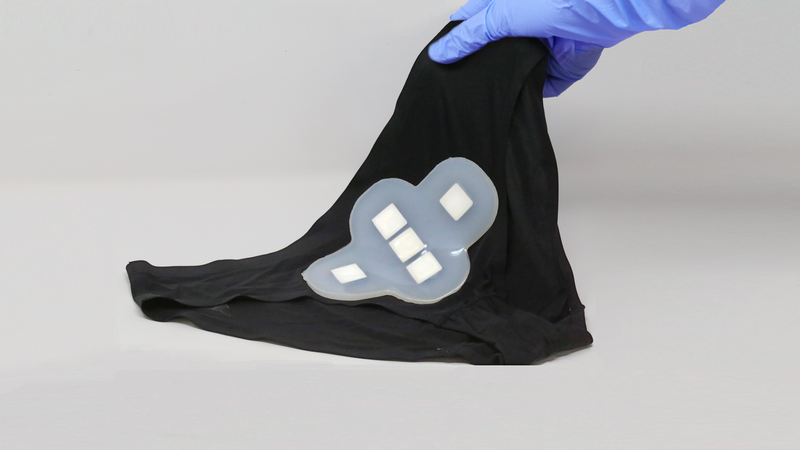
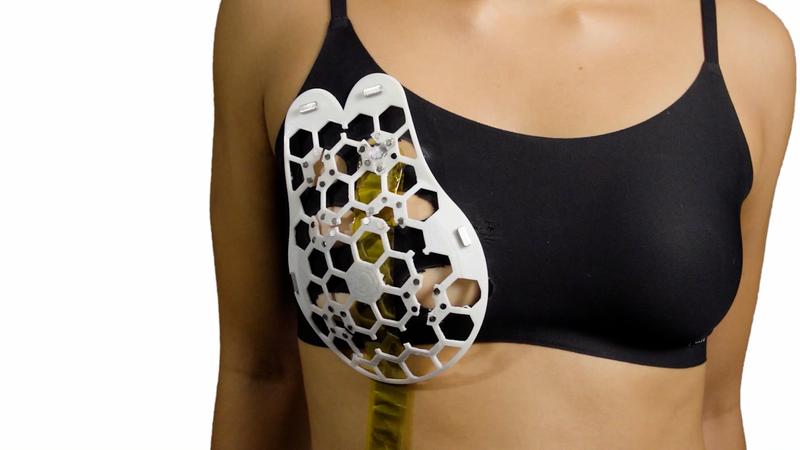
  • Conformable Phased Array Ultrasound Patch For Bladder Volume Monitoring (CUSB-Patch)

    Ultrasound can be used to image soft tissues in vivo for early diagnosis and monitoring of disease progression. However, conventional ultrasound probes are rigid, pressure-required, and operator-dependent. Conformable transducers have been proposed, but they lack the efficiency of element localizat…

    Conformable Decoders

  • Gastronomy and Beyond

    Our mission is to expand horizons, foster creativity, and explore a myriad of concepts. Gastronomy and Beyond is a collaboration between the MIT City Science Group and the Basque Culinary Center (BCC) exploring how food can transform cities. The project investigates the intersection of gastronomy, …

    City Science

  • Sleep and Wellbeing

    By establishing correlations between sleep parameters and wellbeing indicators, our project hopes to further understanding of fluctuations in wellbeing and inform the development of wearables that monitor sleep patterns. We begin by identifying the impact of different combinations and transformatio…

    Affective Computing

  • Theme | Health + Wellness

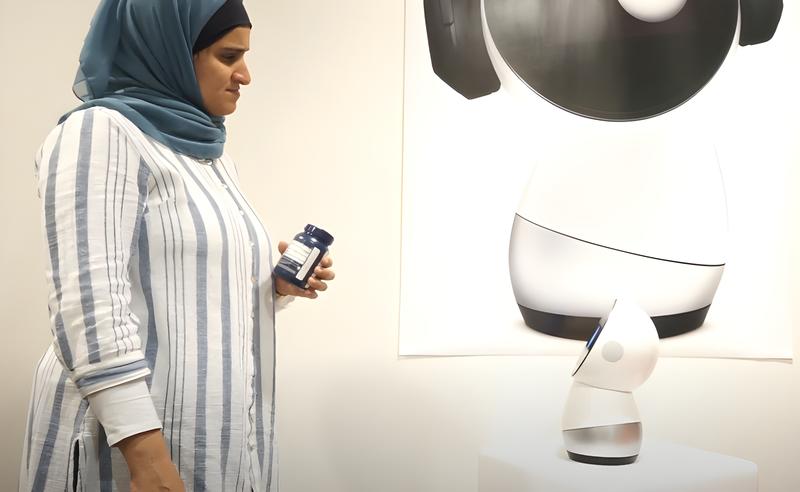
    An embodied virtual agent is a promising oracle for delivering appropriate just-in time interventions. We aim to build a system and design that supports long-term human-agent interaction based on personalization to improve user’s emotional well-being and incrementally co-construct knowledge and men…

    Personal Robots

  • MIT research team meets with prosthetists in Koidu, Kono Eastern Sierra Leone during a field visit.

    The Sierra Leone Prosthetics & Orthotics Program

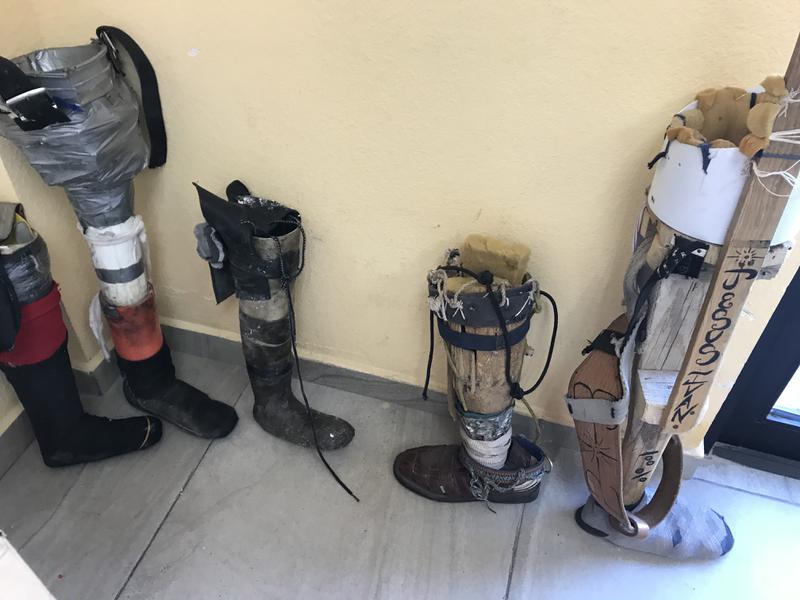
    We've designed a health system strengthening model  to support and expand the prosthetic and orthotic sector that cares for people with disabilities.The MIT Program to Strengthen  Prosthetics & Orthotics Care in Sierra Leone is a multi-phase effort to establish, expand and sustain P&O medical servi…

    Biomechatronics

  • Magnetomicrometry: Tissue Tracking via Implanted Magnetic Beads

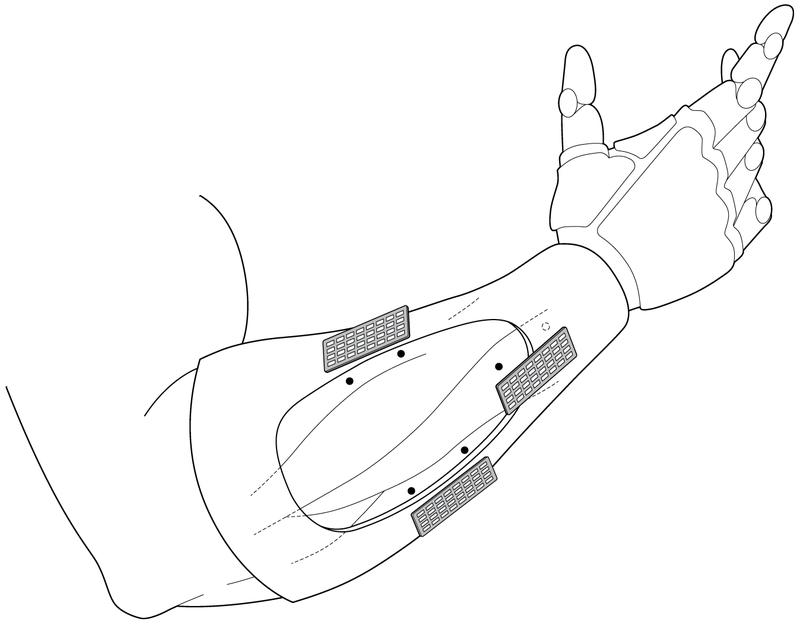
    Amputation, muscle weakness, and nerve damage can make it difficult to perform simple daily tasks. In this project, we are developing a minimally-invasive technology using magnetic beads to track muscle lengths in real time. This new technology can provide natural, reliable control of prostheses,…

    Biomechatronics

  • Essence

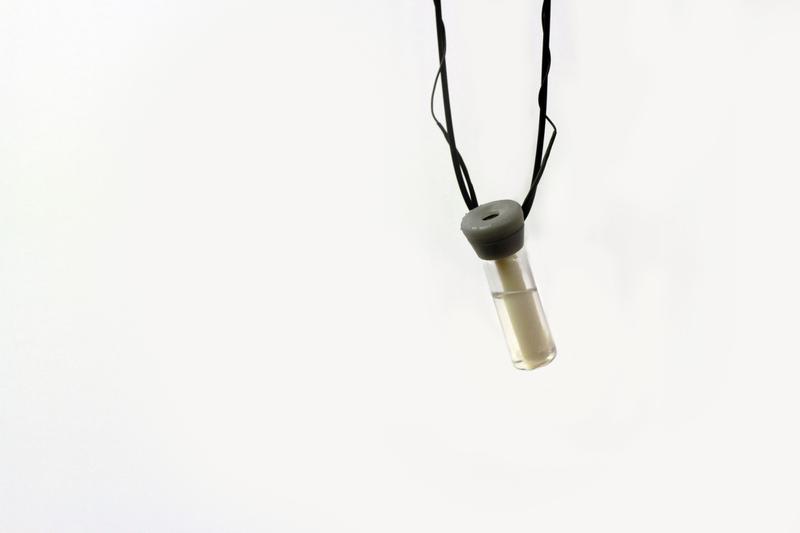
    The sense of smell is perhaps the most pervasive of all senses, but it is also one of the least understood and least exploited in HCI. We present Essence, the first olfactory computational necklace that can be remotely controlled through a smartphone and can vary the intensity and frequency of the …

    Advancing Wellbeing

  • The AMI procedure preserved the normal signaling between Jim’s ankle-foot muscles and his brain. When Jim moves his phantom limb, the re-connected muscles move naturally in dynamic pairs, sending proprioceptive information through nerves to his brain.

    Agonist-antagonist Myoneural Interface (AMI)

    Humans can accurately sense the position, speed, and torque of their limbs, even with their eyes shut. This sense, known as proprioception, allows humans to precisely control their body movements. Today’s conventional prosthetic limbs do not provide feedback to the nervous system. Because of this, …

    Biomechatronics

  • SNAPSHOT Study

    The SNAPSHOT study seeks to measure Sleep, Networks, Affect, Performance, Stress, and Health using Objective Techniques. It is an NIH-funded collaborative research project between the Affective Computing and Collective Learning groups, and Harvard Medical School's Brigham & Women's hospital. Since …

    Advancing Wellbeing