
Responsive Environments
Augmenting and mediating human experience, interaction, and perception with sensor networks
Augmenting and mediating human experience, interaction, and perception with sensor networks
Exploring the future of music through AI, multisensory expression, creativity, and sonic healing.
How to create better online environments and interfaces for human communication.
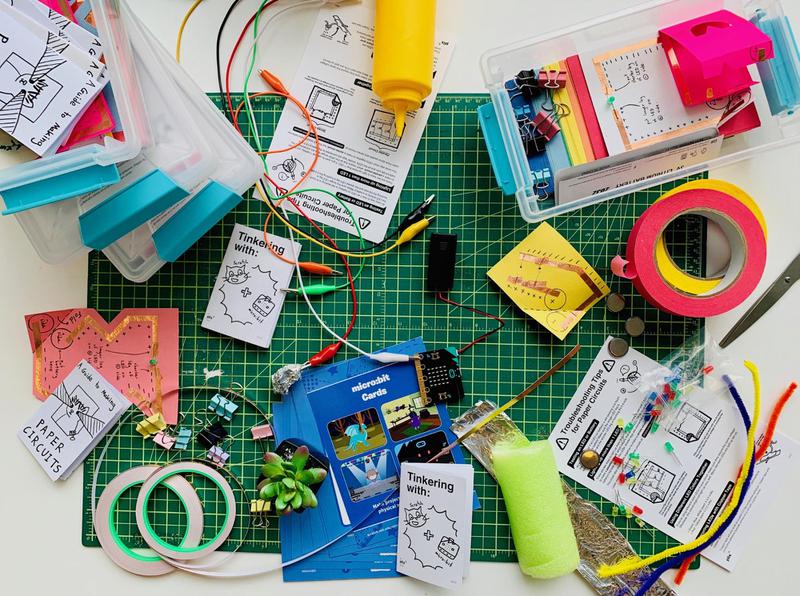
Public libraries are one of most trusted public institutions in the U.S. and increasingly provide a broad range of education services, ranging from early learning programs, to makerspaces, to adult training. Libraries are not storage places for books, but community hubs for social change and innova…
Engaging people in creative learning experiences
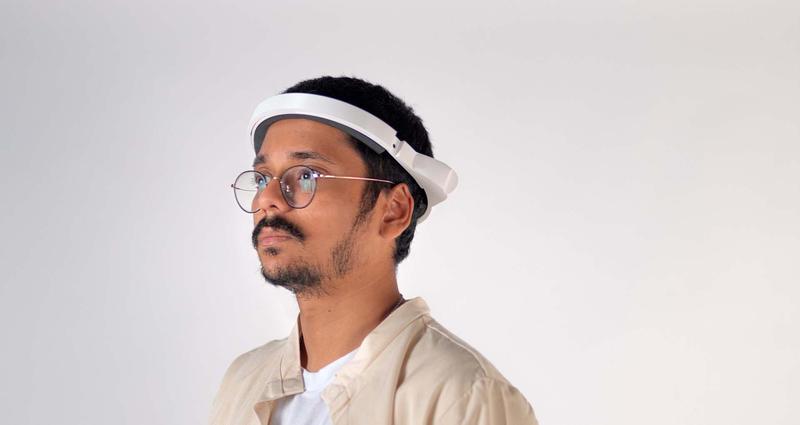
Projects related to the theme of how digital systems may support attention, memory, and learning.
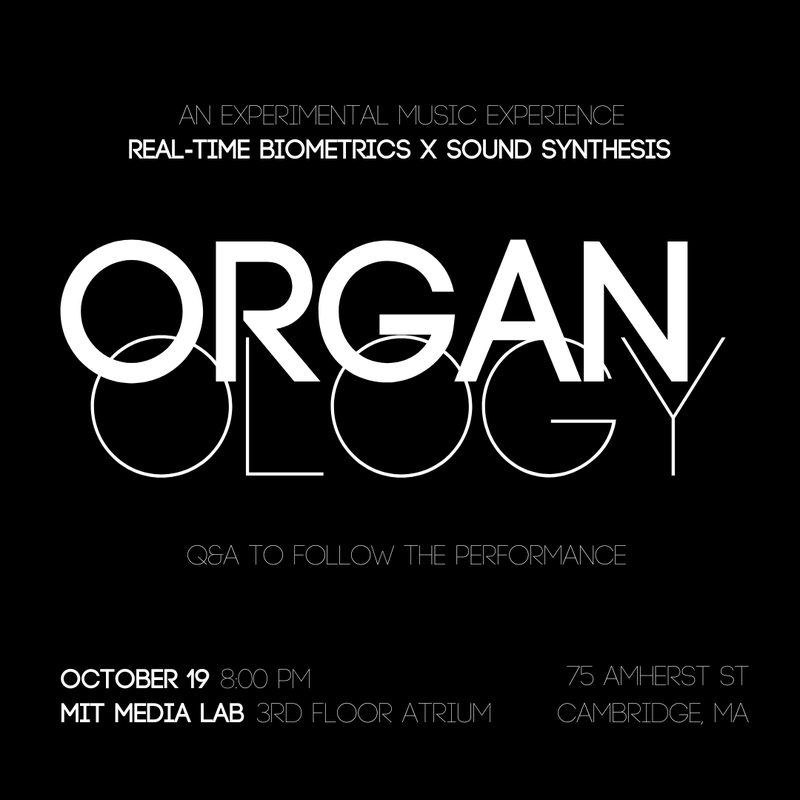
Organology: Real-Time Biometrics x Sound Synthesis October 19th @ 8:00 PMMIT Media Lab 3rd Floor AtriumWhat role does the body play in our encounters with music? Bringing together artists, designers, engineers, and scientists at MIT and beyond, Organology taps into the physiological and personal di…
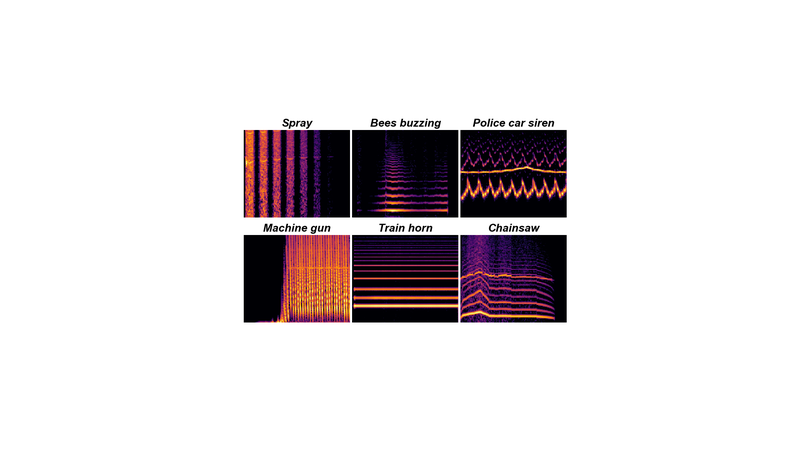
Neural audio synthesis methods now allow specifying ideas in natural language. However, these methods produce results that cannot be easily tweaked, as they are based on large latent spaces and up to billions of uninterpretable parameters. We propose a text-to-audio generation method that leverages…
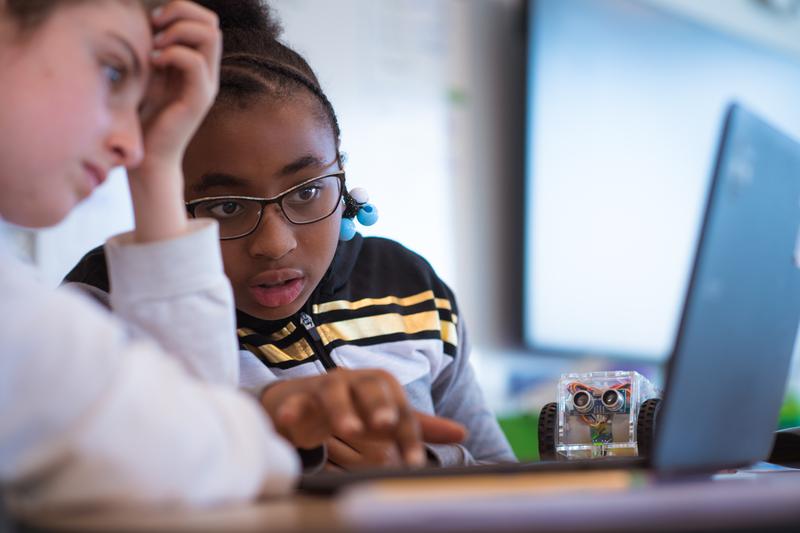
Life with AI | Designing the future of smart systems to improve the human experience

Future Worlds | Design and action for the future we want to live in

Decentralized Society | Architecting the new internet for the good of the people
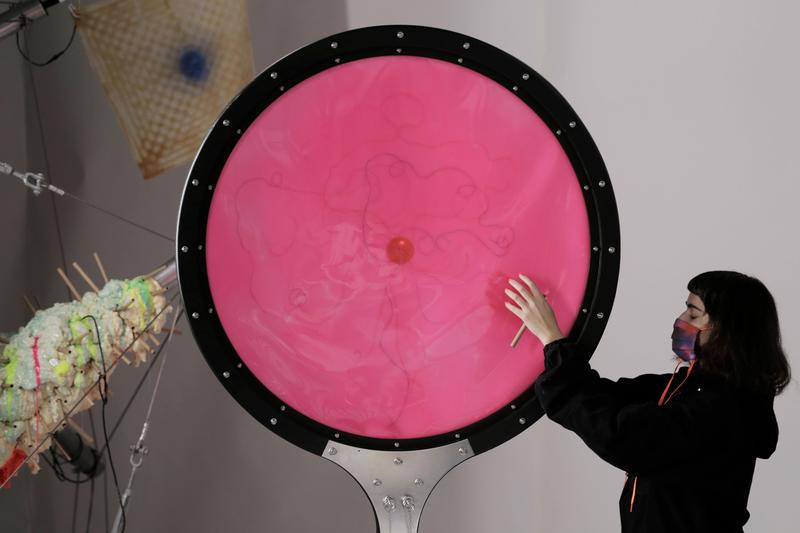
Cultivating Creativity | Catalyzing a global movement enabling everyone to unlock and unleash their individual and collective creativity
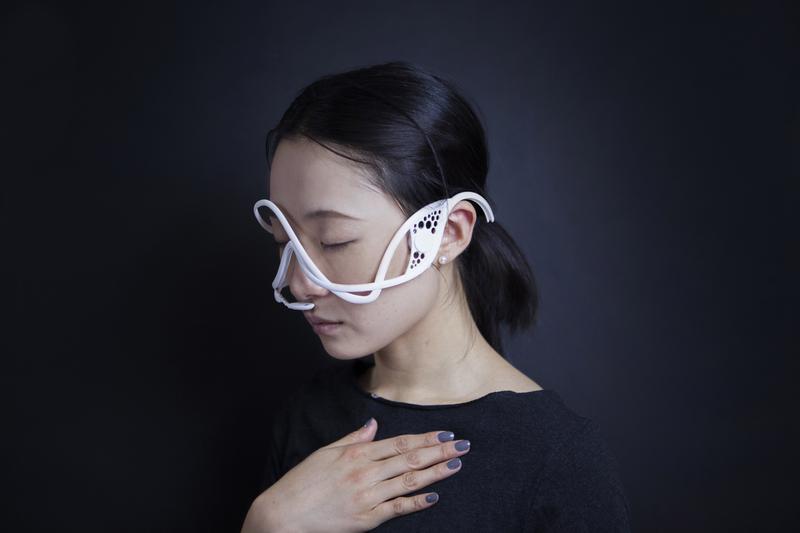
Connected Mind + Body | Revolutionizing the future of mental and physical wellbeing
Exploring how social networks can influence our lives in business, health, governance, and technology adoption and diffusion

Several of our projects aim to support learning and creativity. While some systems focus on a specific skill to be strengthened, e.g., critical thinking or confident public speaking, others look at methods for improving motivation for learning, improving recall, and more.
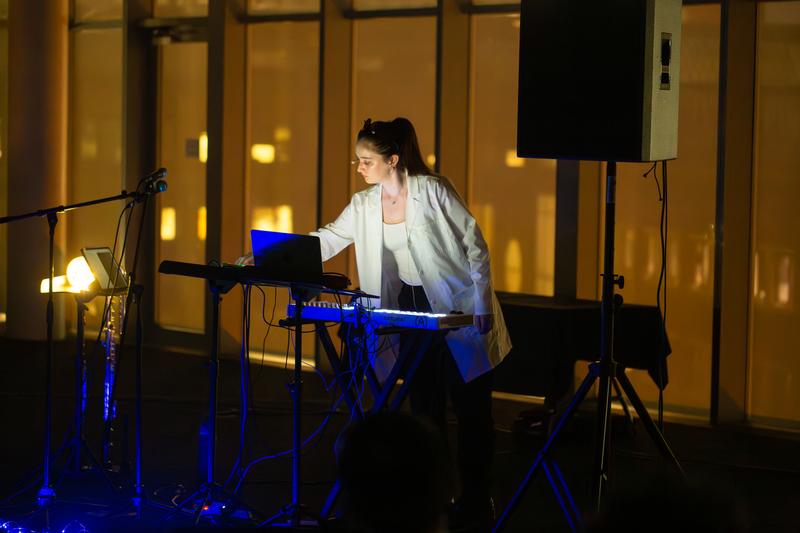
Do you hear the sound of a breath, or an ocean wave? A heartbeat, or thunder? Journey through a universe of shifting sonic identities in Transmutations, the culmination of a master's thesis by MAS/Opera of the Future researcher Jessica Shand that employs the flute as a laboratory for sound, probing…


Perceptual illusions have the power to change our abilities and behaviours. Prior research in virtual reality (VR) has shown that transporting ourselves into a new digital physical or social environment, or having an experience of piloting a virtual avatar, even if unrealistic, can be a transformat…
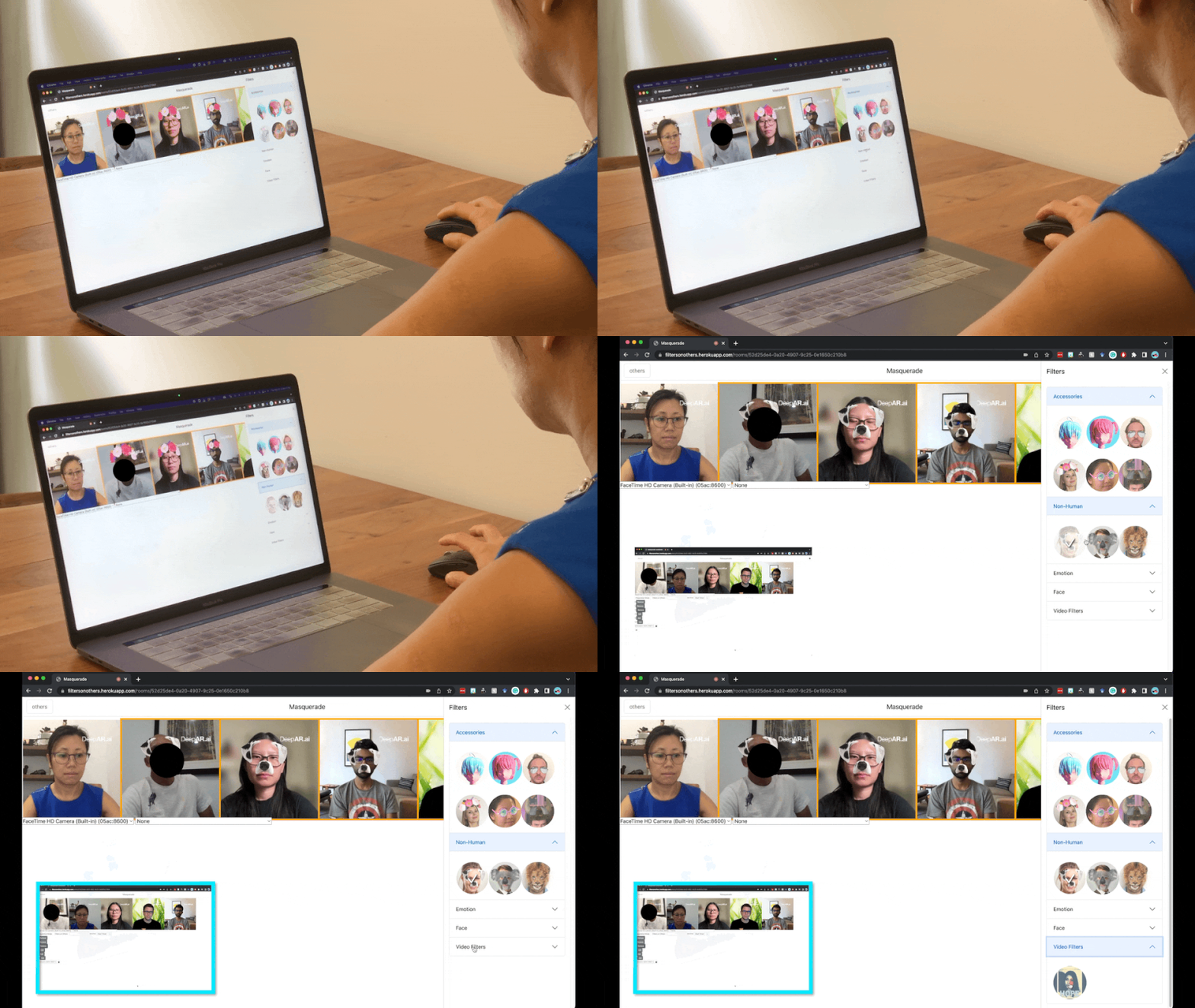
This work was presented at the ACM CHI 2023 conference. By Joanne Leong, Florian Perteneder, Muhender Raj Rajvee, and Pattie Maes. The fear of public speaking (FOPS) is considered to be the most common lifetime social fear. To tackle anxiety, one common piece of advice is to picture the audience …

Human-computer interaction (HCI) has traditionally focused on designing and investigating interfaces that provide explicit visual, auditory, or haptic feedback. We propose a new type of user interface that uses smell as an implicit, less conscious output that still influences the person's cognition…

In a study presented at CHI 2023, Media Lab alumni used Pringles & audio filters to explore the intersection of sound, flavor, & perception.
Promoting deeper learning and understanding in human networks
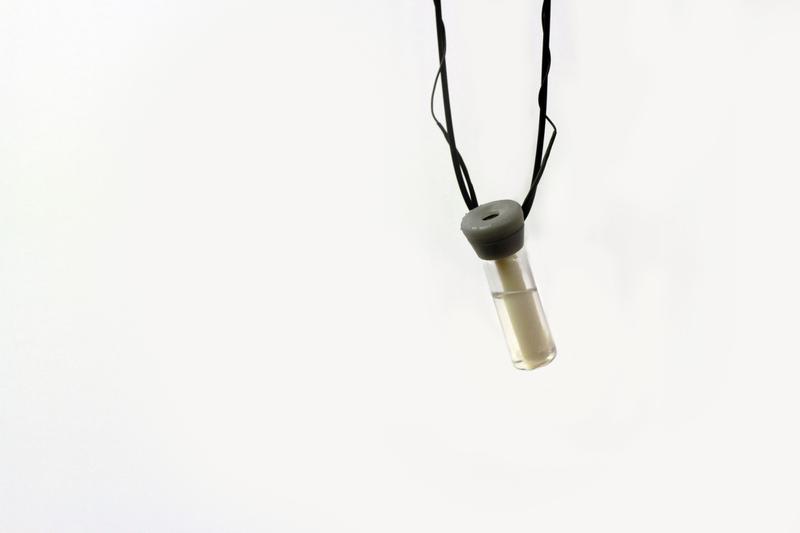
The sense of smell is perhaps the most pervasive of all senses, but it is also one of the least understood and least exploited in HCI. We present Essence, the first olfactory computational necklace that can be remotely controlled through a smartphone and can vary the intensity and frequency of the …