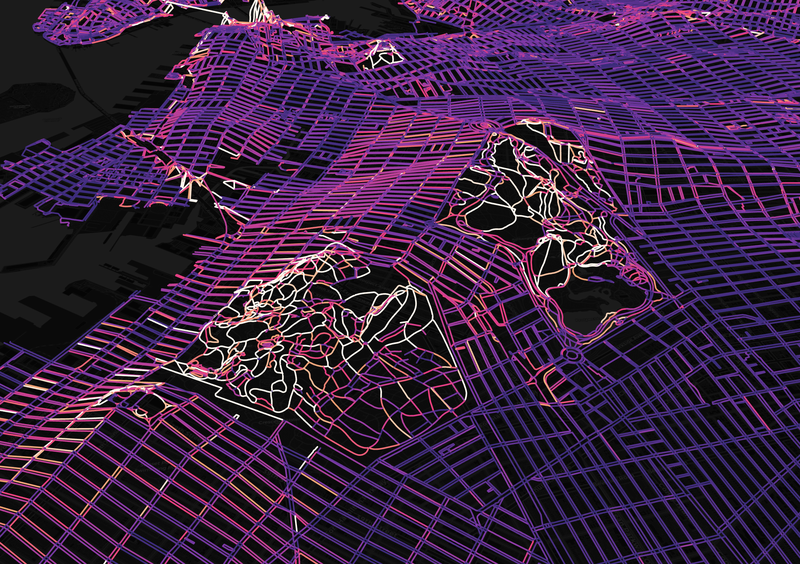
Gridnberg
Gridnberg is a topography-aware pedestrian routing dataset and application for New York City. It adds elevation to the NYCWalks network and compares distance-only, comfort-oriented, and accessibility-sensitive routing scenarios.
Gridnberg is a topography-aware pedestrian routing dataset and application for New York City. It adds elevation to the NYCWalks network and compares distance-only, comfort-oriented, and accessibility-sensitive routing scenarios.
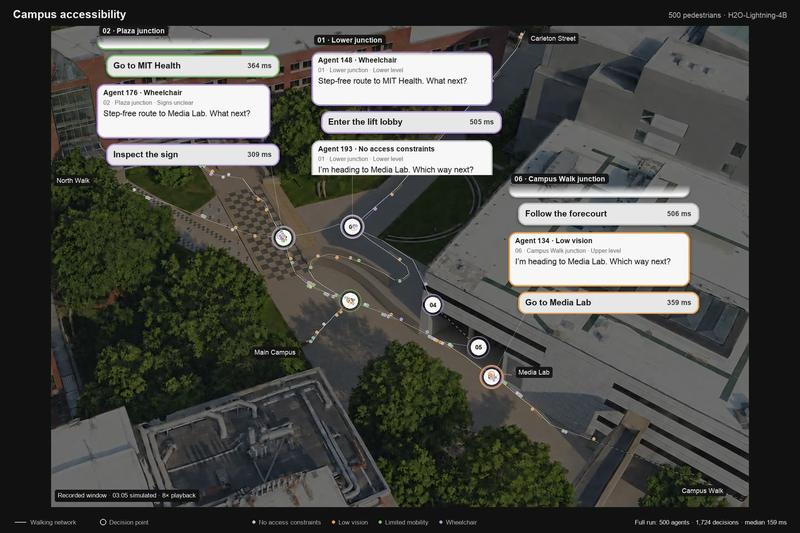
Beyond the Rulebook explores how decision models interpret uncertainty in spatial simulations. Two GAMA studies examine passenger guidance in a subway station and a campus cognitive network that shares reasoning across six decision nodes.

Making the invisible visible–inside our bodies, around us, and beyond–for health, work, and connection
Augmenting and mediating human experience, interaction, and perception with sensor networks
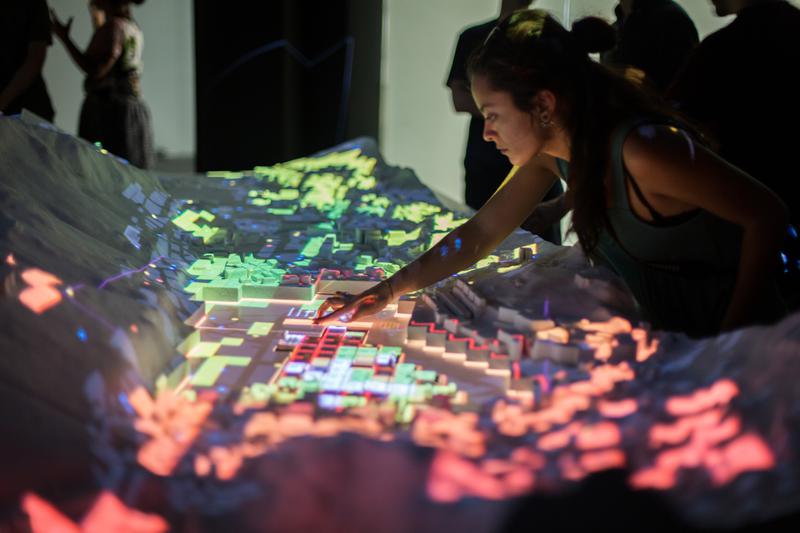
Looking beyond smart cities
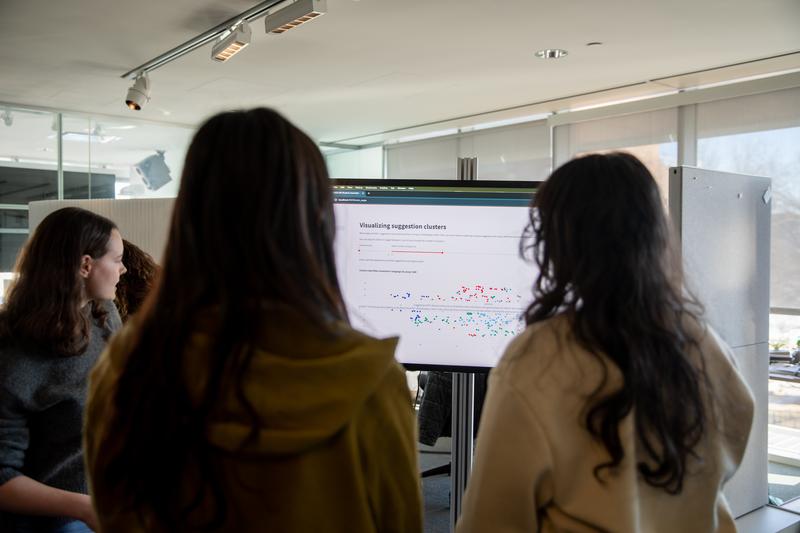
Prototyping a better future for communication through human-led, AI-assisted systems for collective listening, understanding, and action

Urban areas are responsible for 70% of global GHG emission, and must play a central role in solutions to global warming. Using Kendall Square as a case study, this simulation shows how collective decisions can dramatically lower carbon emissions while improving the social and economic performance o…
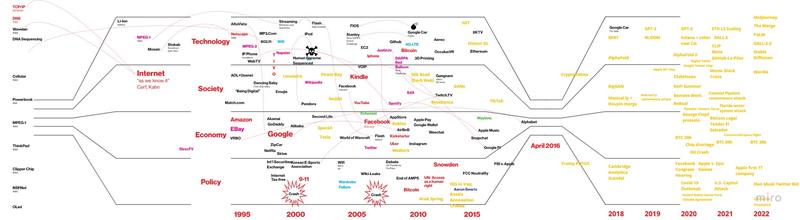
People and intelligent machines in a creative loop
City Science researchers are developing a slew of tangible and digital platforms dedicated to solving spatial design and urban planning challenges. The tools range from simulations that quantify the impact of disruptive interventions in cities to communicable collaboration applications. We develop …
Exploring the future of music through AI, multisensory expression, creativity, and sonic healing.
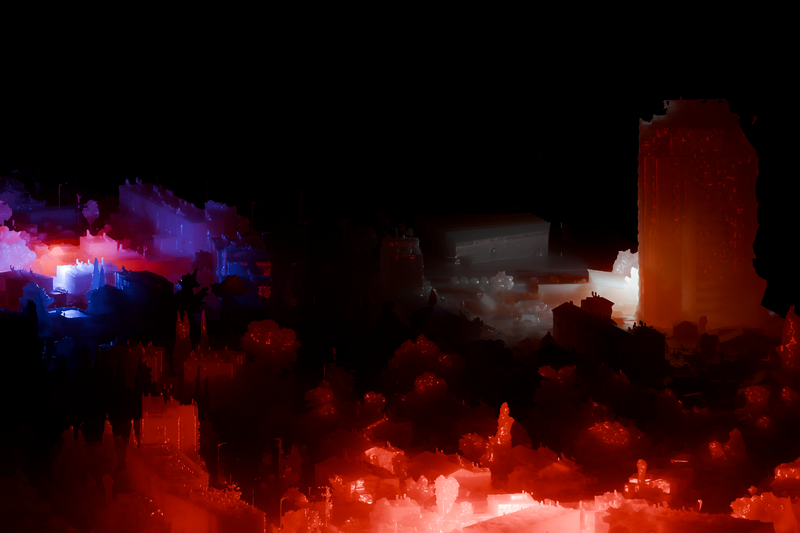
Emergence brings together more than a decade of research into practical emergency-response platforms for cities under stress. The approach integrates incomplete and heterogeneous data, makes assumptions visible, tests scenarios rapidly, and translates analysis into accountable operational recommend…
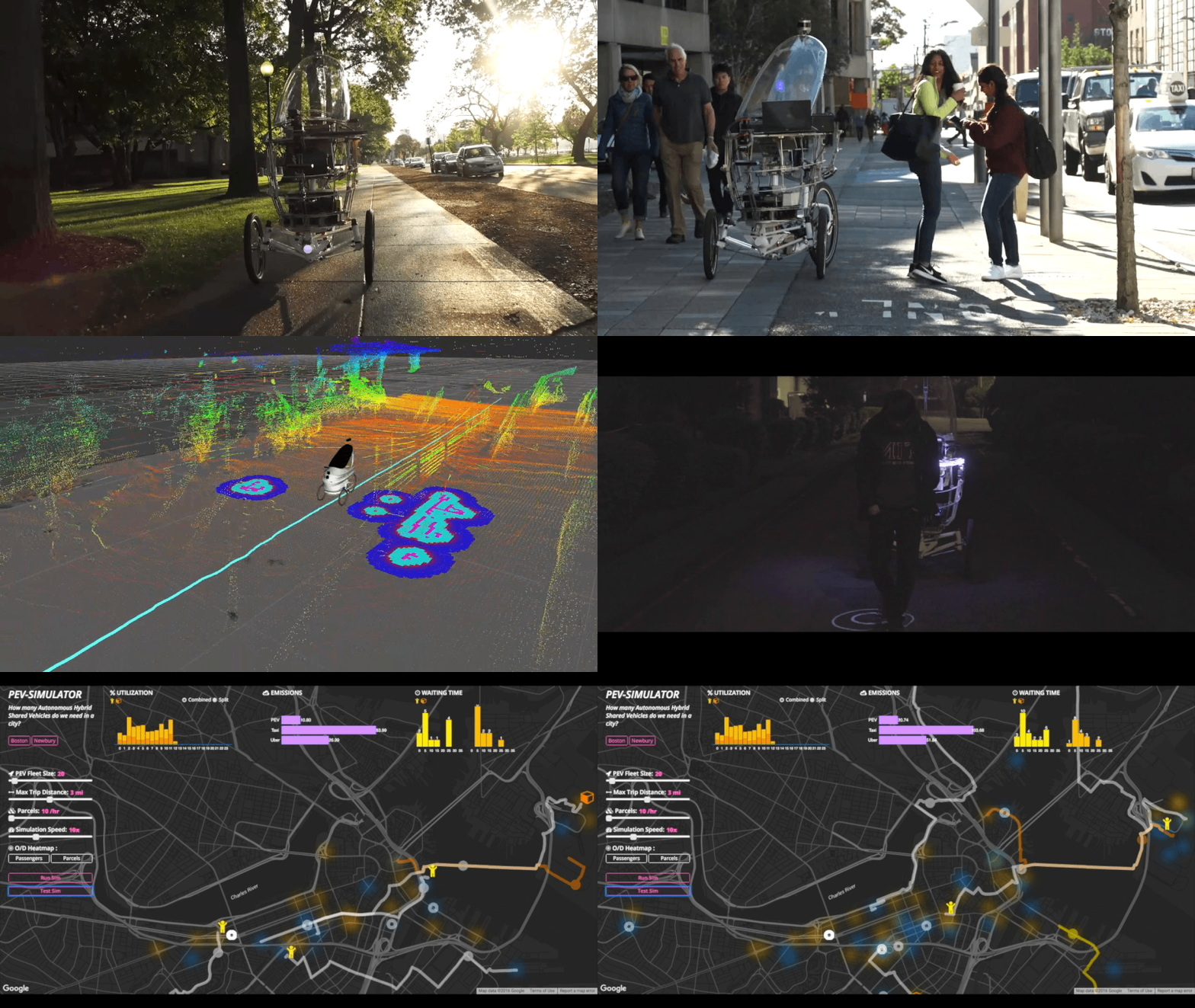
Urban populations around the world are rapidly growing. To improve livability, urban residents must reduce dependency on fossil fuels and private cars, while needing efficient equitable access to inexpensive and reliable transportation.Urbanization has outpaced transportation innovation as we know …
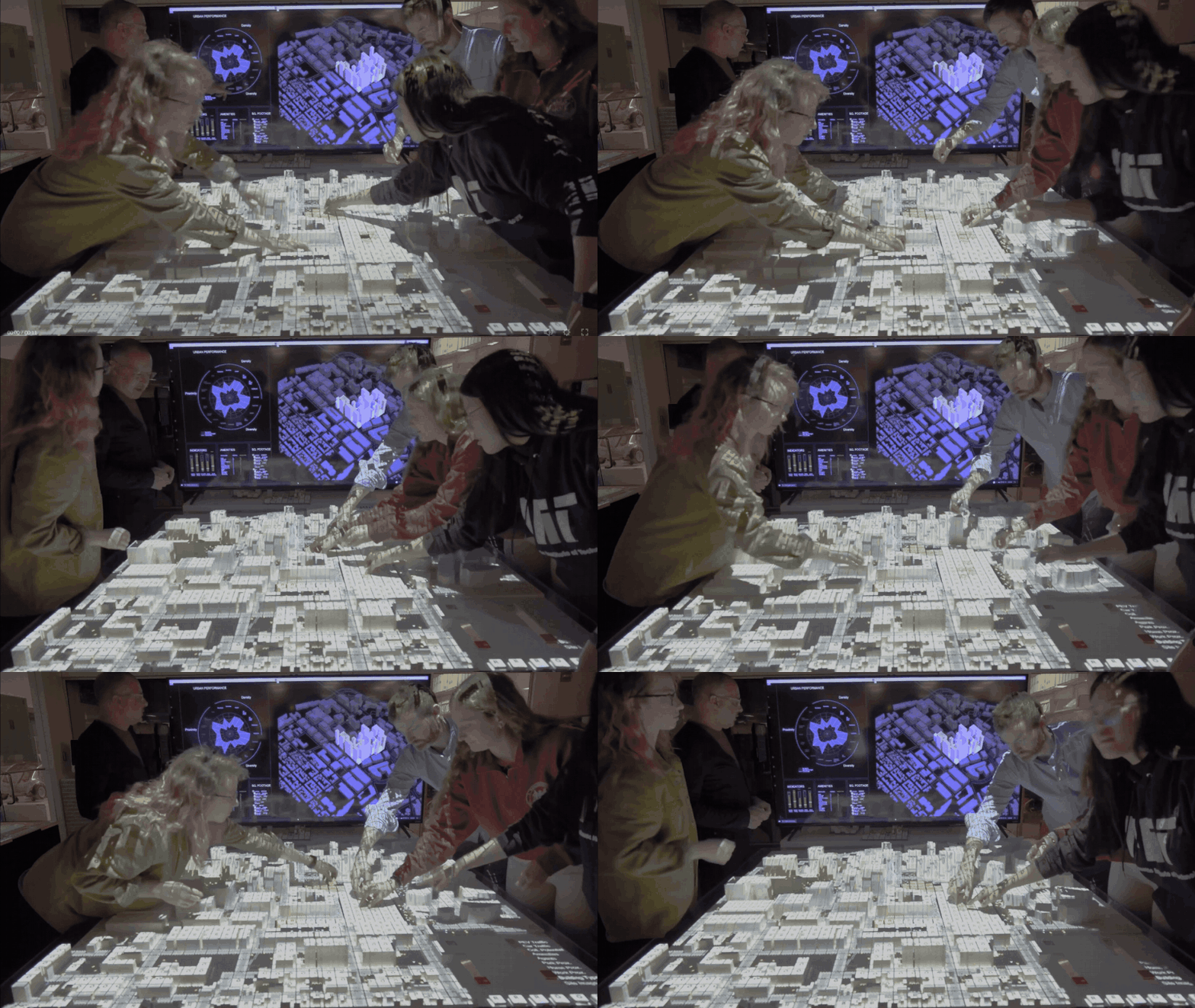
How can urban residents reach a shared vision of the future?Many excellent and potentially transformative ideas fail to be deployed in cities due to a lack of consensus. Complex, nuanced issues are often reduced to binary choices, leaving stakeholders without a structured process to make informed, …

Andorra and the City Science research group at the MIT Media Lab are taking on the challenge of turning Andorra into an “Internationally Recognized Intelligent Country.” The Andorra Living Lab project combines different research topics (tourism, innovation, energy and environment, mobility, dynamic…

City Science Lab Toronto was established in cooperation with Toronto Metropolitan University. The groups plan to build and work on the development and simulation of urban interventions, such as micro-units for young people, shared work and collaboration spaces, educational facilities, financial …
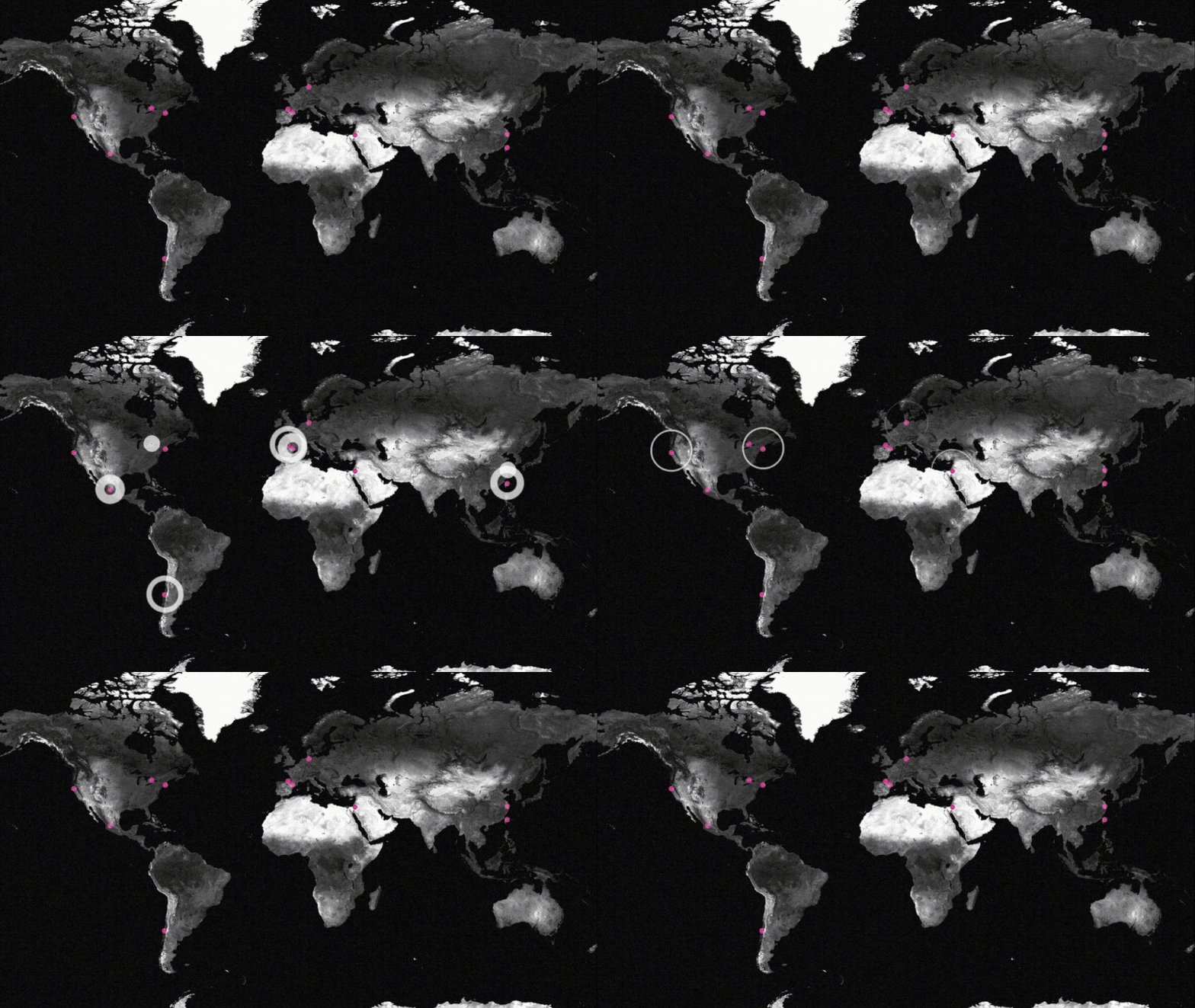
MIT City Science has developed an international network of cooperative City Science LabsFounded a decade ago, the City Science Network connects a growing constellation of sister labs around the world. These labs share a common framework for data analysis, design experimentation, simulation, and civ…

How can we serve 2.5 billion people without access to centralized infrastructure for basic services?By 2050, more than 2.5 billion people are expected to live in informal settlements — communities often built on the margins of cities, beyond the reach of conventional infrastructure. These neighborh…

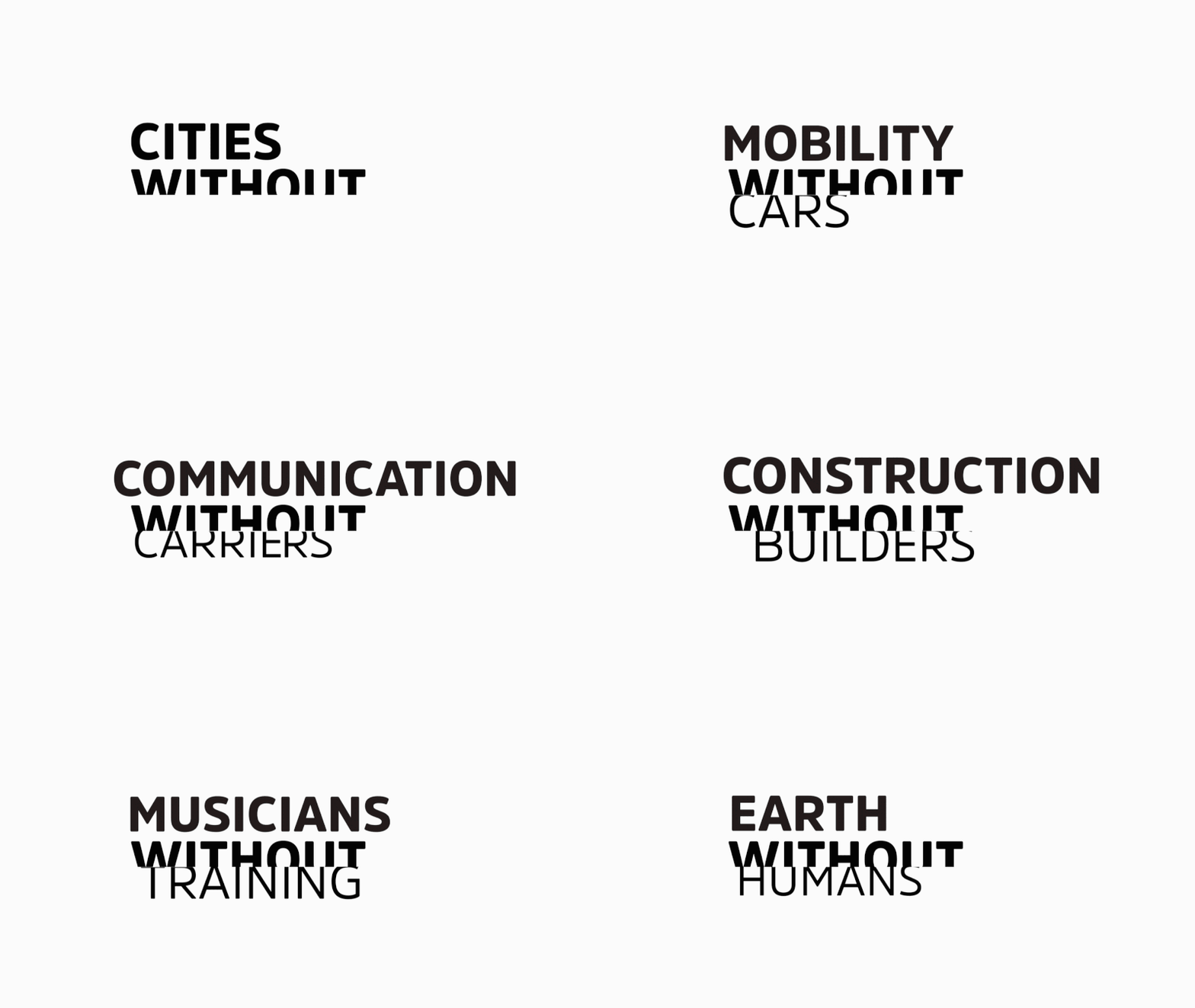
The Power of WITHOUT is a research theme in the City Science group. The theme proposes that heavy infrastructure solutions are not financially feasible and cannot meet the needs of rapidly urbanizing communities. Instead, we must research and propose new lightweight and decentralized solutions to s…
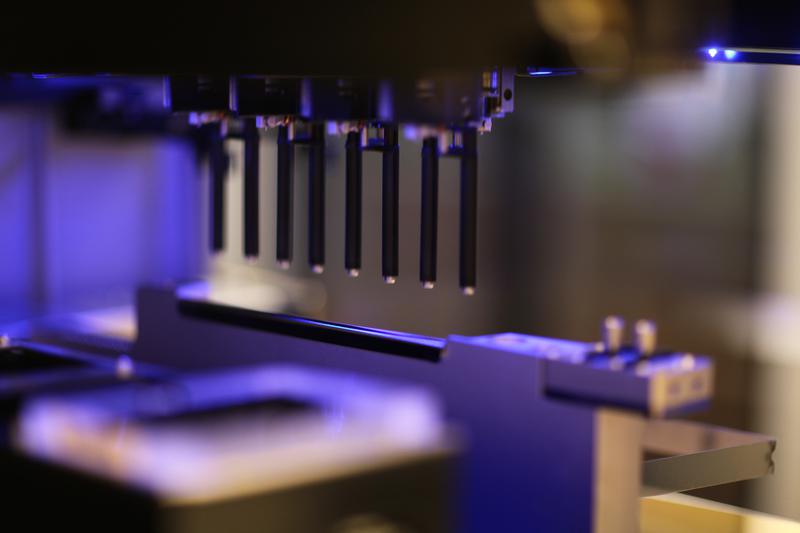
Cultivating wisdom through evolutionary and ecological engineering

Building intelligent personified technologies that collaborate with people to help them learn, thrive, and flourish.
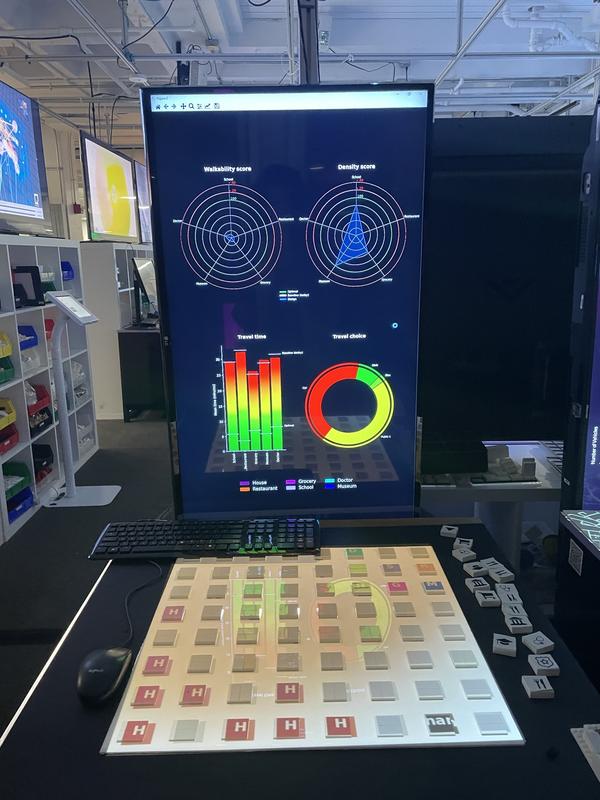
Designing Walkable CommunitiesA tangible interface for exploring how the distribution of urban amenities shapes walkability, mobility, and urban life.This project explores how the spatial distribution of urban amenities influences walkability, mobility patterns, and neighborhood livability. Using m…
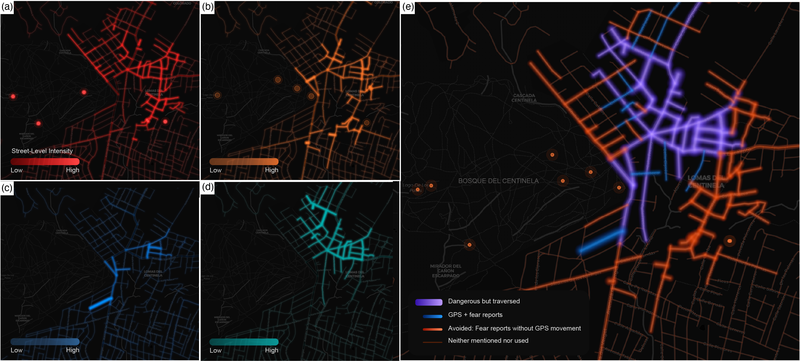
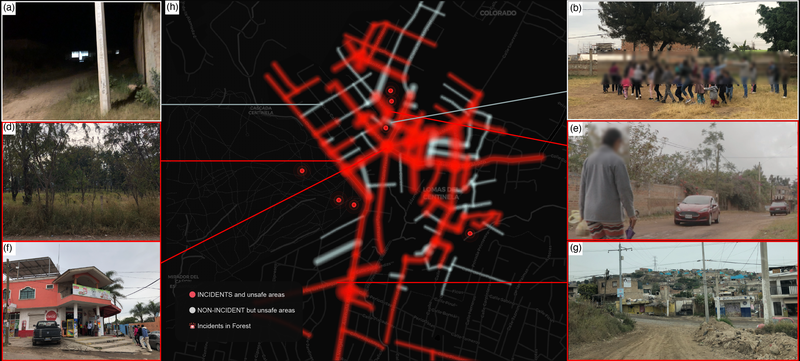
This work examines women’s everyday mobility and experiences of insecurity in an informal neighborhood, comparing how different research methods capture these realities. The study was conducted in Lomas del Centinela, Mexico, and combines community-based approaches, such as participatory workshops …