Skip to content

Research

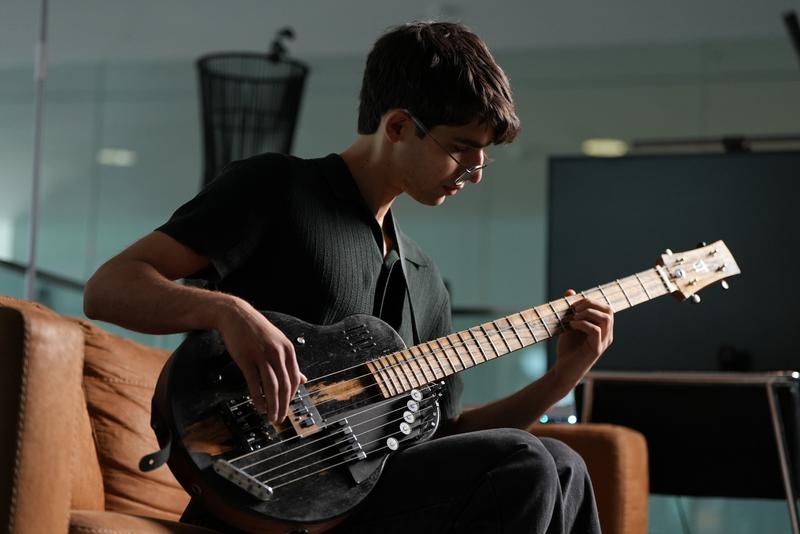
  • Automatar: Intelligent AI Guitar

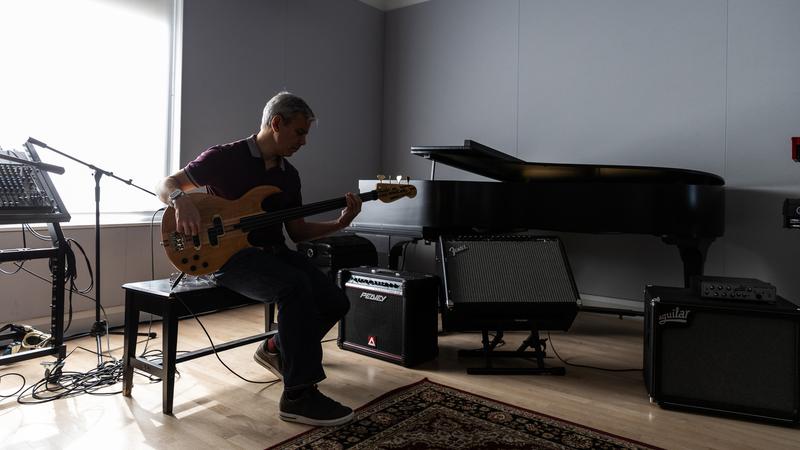
    The Automatar is an intelligent AI-powered bass guitar born to bridge the gap between the digital and physical worlds. While the instrument functions on some level similarly to any fretted string instrument like a guitar or bass, it innovatively and unprecedentedly is built around an NVIDIA GPU…

    Opera of the Future

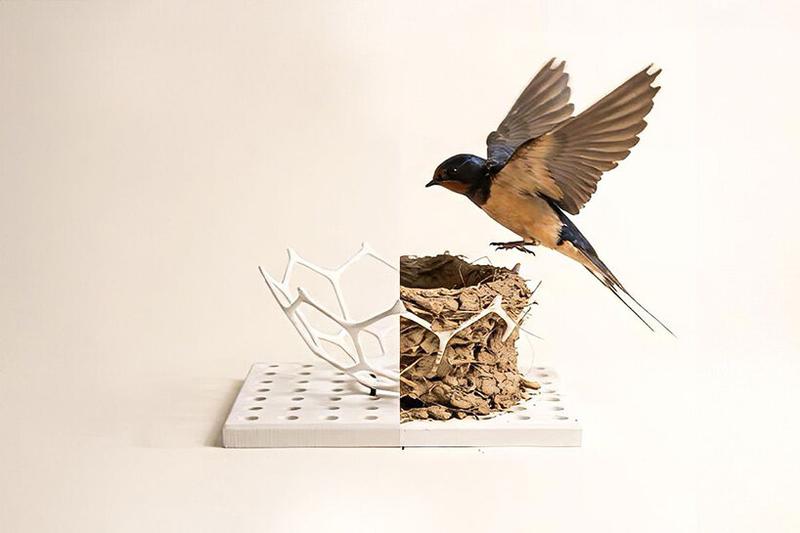
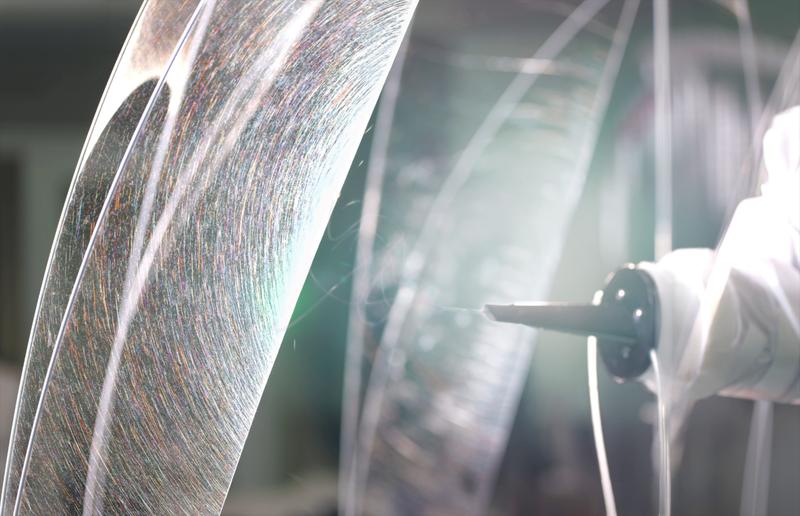
  • Electrospun Architecture

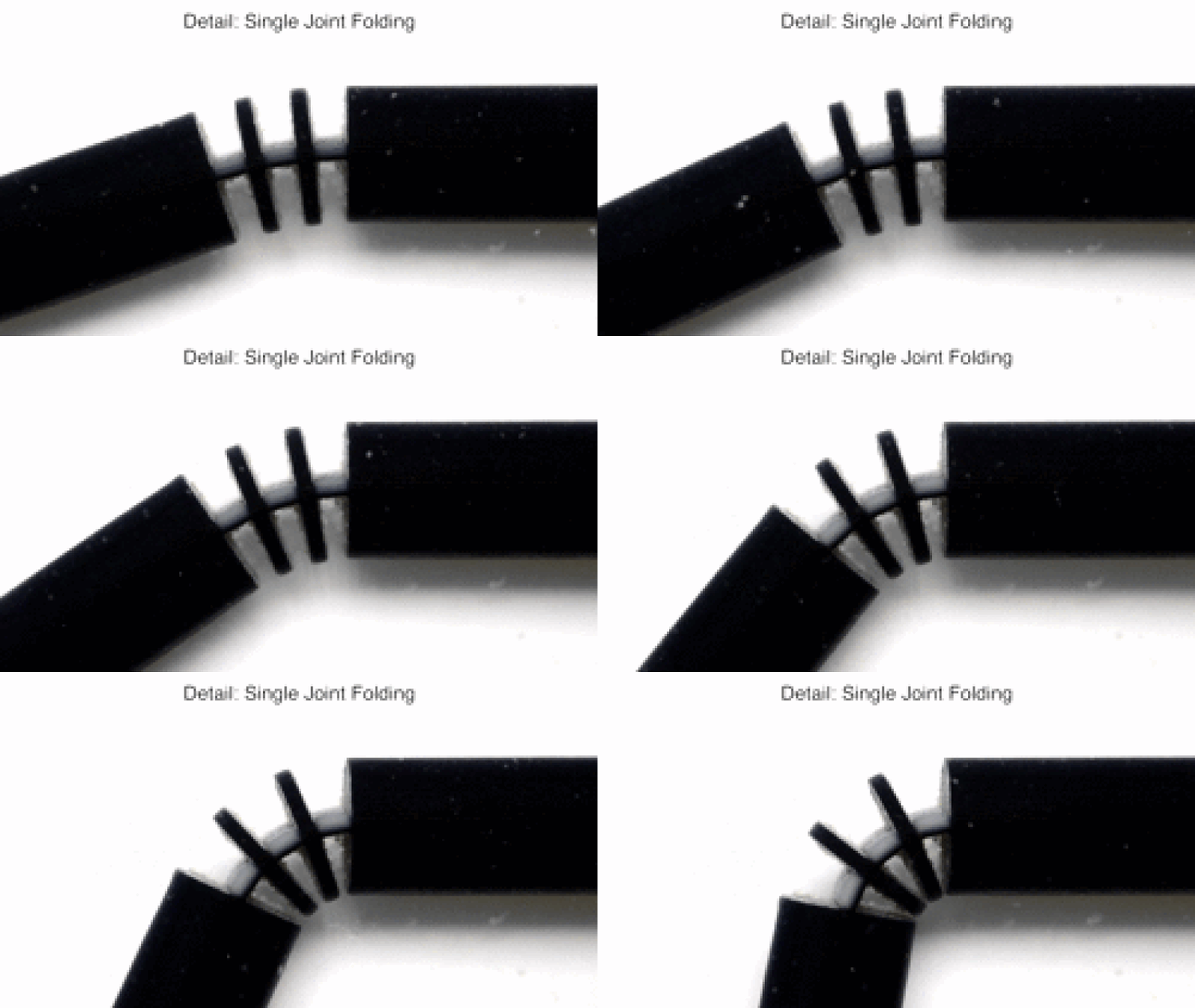
    What if we could grow architecture from waste seaweed, shaped by electrostatic fields?Electrospun Architecture is a material-computational design method that scales robotic electrospinning from laboratory artifacts to architectural enclosures. Using a reusable kit of bent aluminum rods as electric …

    Critical Matter

  • WebAgentica with NANDA

    WebAgentica proposes an open architecture for an agent-native web where AI agents can be independently created, published, discovered, and executed. Inspired by the separation of website creation, hosting, and browsing, WebAgentica introduces three roles: AgentStudio for creating portable agents, A…

    Nanda

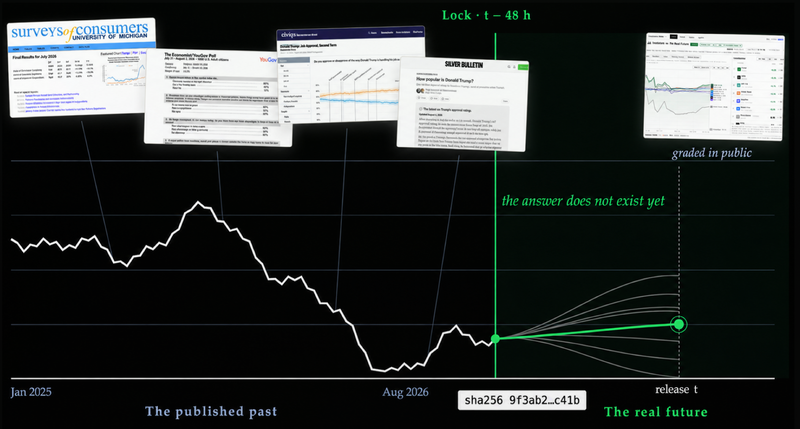
  • Social Simulation Arena

    Social Simulation vs. The Real Future.Social simulation is now a product. Evaluation still has no common standard.Persona-prompted populations. Digital twins. Silicon samples. Synthetic populations. Worlds of a billion agents. There are more ways than ever to simulate human behavior, but still no c…

    City Science

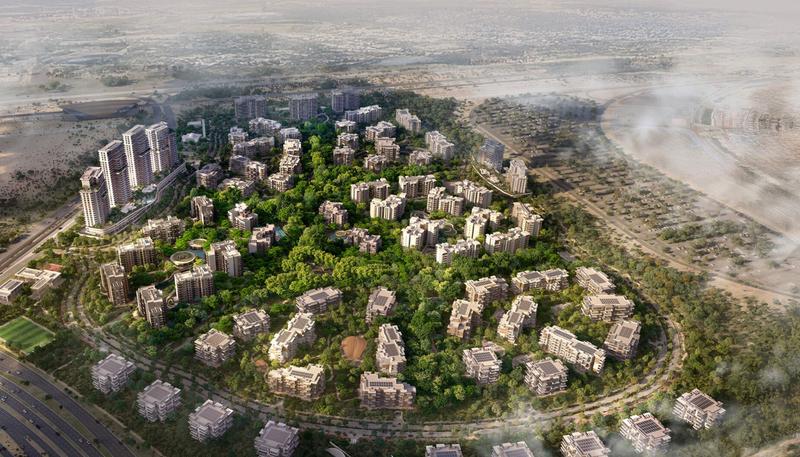
  • "Chaal" receives Honorable Mention at the 2026 Architecture MasterPrize

    Chaal receives Honorable Mention at the 2026 Architecture MasterPrizeWe are delighted to share that Chaal, designed by City Science researchers Leticia Izquierdo and Thomas Sanchez, has received an Honorable Mention in the 2026 Architecture MasterPrize.Chaal is a sustainable, self-contained sunken …

    City Science

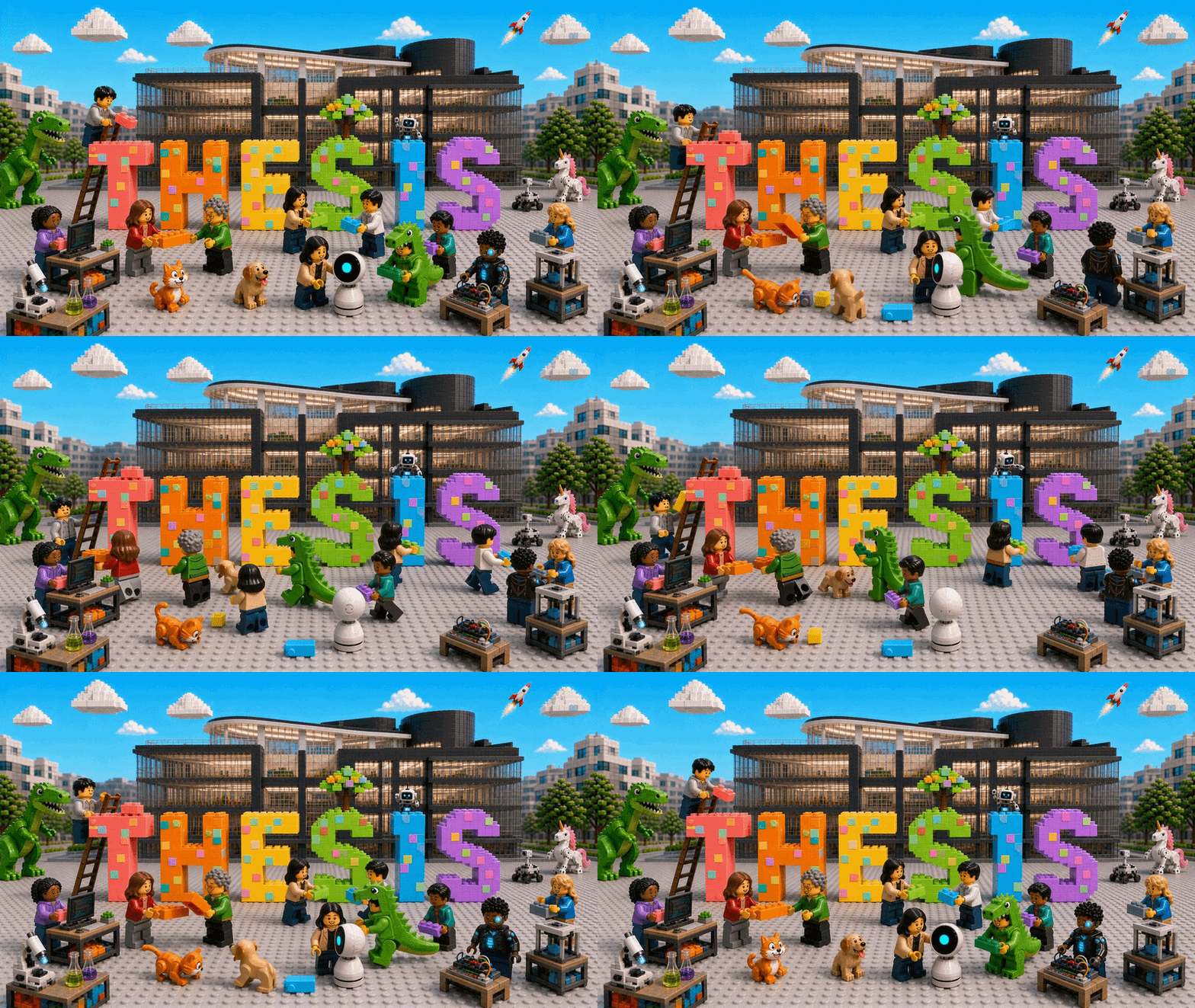
  • MAS.941: Thesis Preparation 2026 (MAS Thesis Adventure)

    Course DescriptionMAS.941 supports Media Lab master’s students in developing ideas into clear, compelling, and rigorous thesis proposals. Because MAS theses often cross disciplinary boundaries, projects may draw from science, engineering, art, design, or a combination of these traditions. The cours…

    MIT Media Lab

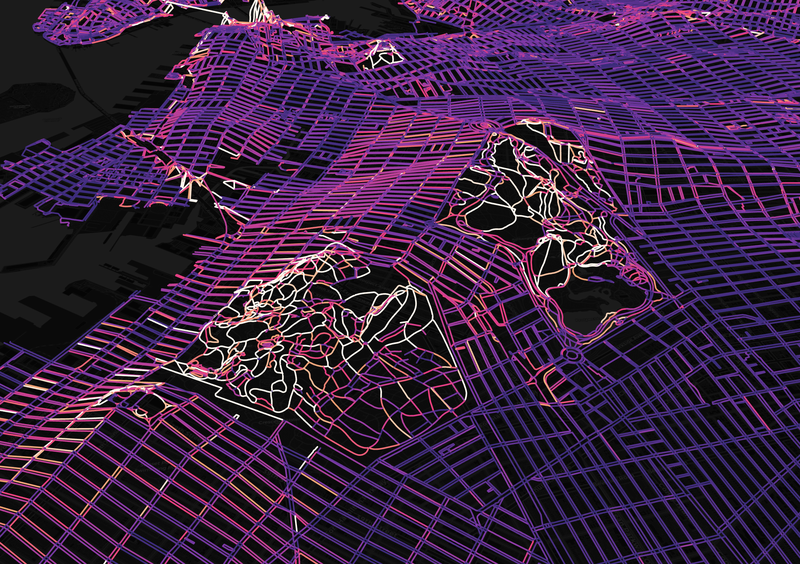
  • Vertically exaggerated view of the pedestrian network looking northwest from Green-Wood Cemetery and Prospect Park. Brighter colors indicate larger reported absolute local grades.

    Gridnberg

    Gridnberg is a topography-aware pedestrian routing dataset and application for New York City. It adds elevation to the NYCWalks network and compares distance-only, comfort-oriented, and accessibility-sensitive routing scenarios.

    City Science

  • MineScope

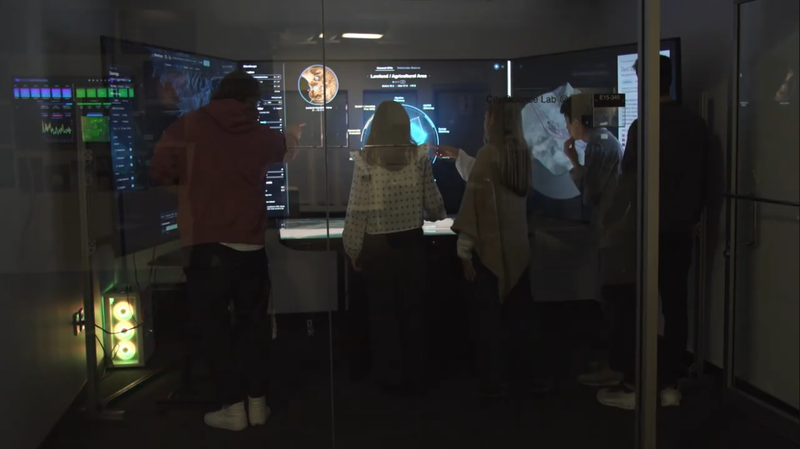
    Spatial Data, Community Engagement and Sentiment Analysis platform for Dominga Mine sites in Chile

    City Science

  • Urban Critters: Robot companions that follow a child’s curiosity

    Children used to wander. In 1971, most seven-year-olds in England walked to school on their own. By 1990, fewer than one in ten did. Cities were built for cars, and every trip became one an adult has to supervise. The curiosity is still there, but the room to follow it is gone.Urban Critters gives …

    City Science

  • Behaviorally Grounded Synthetic Populations

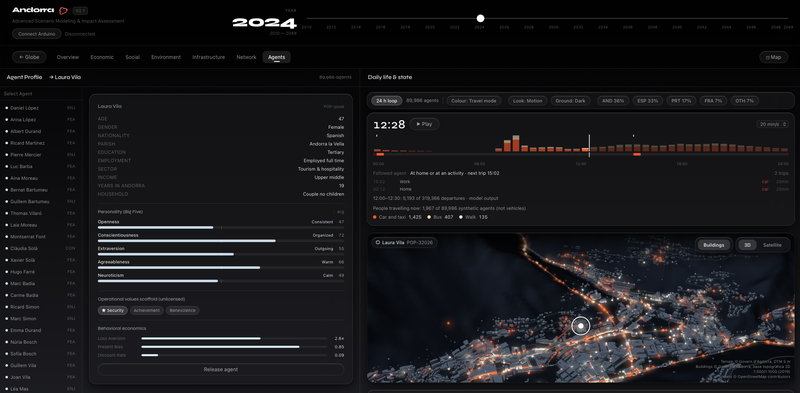
    Simulating how a city or country responds to a policy requires people, not just indicators: residents who share homes and budgets, belong to social networks, and follow daily routines anchored to real places. Yet most territories publish only aggregate statistics. This project builds behaviourally …

    City Science

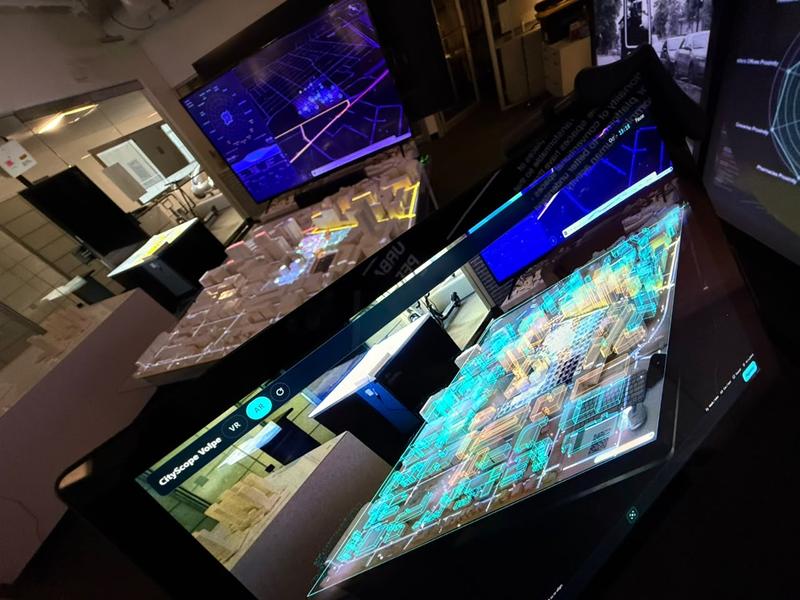
  • CityScope AR on the physical CityScope Volpe table, seen through an Android phone: the simulated population, occupancy and flows aligned to the model. Early test, October 2026.

    CityScope AR: Volpe

    CityScope AR brings a new perspective to the physical CityScope Volpe table. Through a phone or tablet, people can explore a simulated day in Kendall Square, follow people’s journeys, and see proposed buildings take shape on the model—all through a web browser, with nothing to install.The experienc…

    City Science

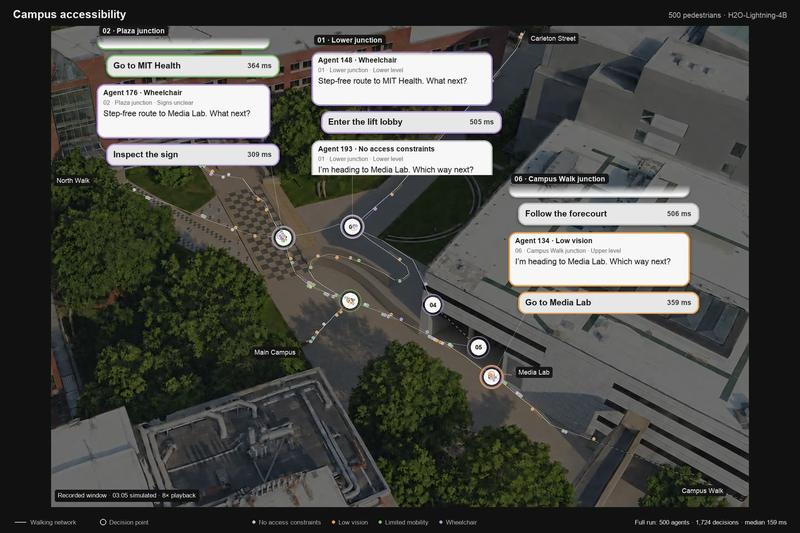
  • Campus accessibility simulation with 500 pedestrians and six shared decision nodes.

    Beyond the Rulebook

    Beyond the Rulebook explores how decision models interpret uncertainty in spatial simulations. Two GAMA studies examine passenger guidance in a subway station and a campus cognitive network that shares reasoning across six decision nodes.

    City Science

  • Pushing the longevity frontier

    MIT Media Lab Professor Hugh Herr M.S. ’93 showed what replacement looks like when the replacement part is a machine.

    The Tech

  • Why do we need a global switchboard to locate agents on the agentic web?

    Vision  The agentic web needs a common, reliable, and interoperable way to locate an AI agent given its identifier. Agent discovery is the automated process by which an external system resolves a known agent identifier to the information needed to communicate with that agent, including its network …

    Nanda

  • Making machines that can listen

    Media Lab alum Paris Smaragdis develops computer systems that can hear and interpret the world around them.

    MIT News

  • Camera Culture

    Making the invisible visible–inside our bodies, around us, and beyond–for health, work, and connection

    MIT Media Lab

  • Learning FAIR

    Learning FAIR

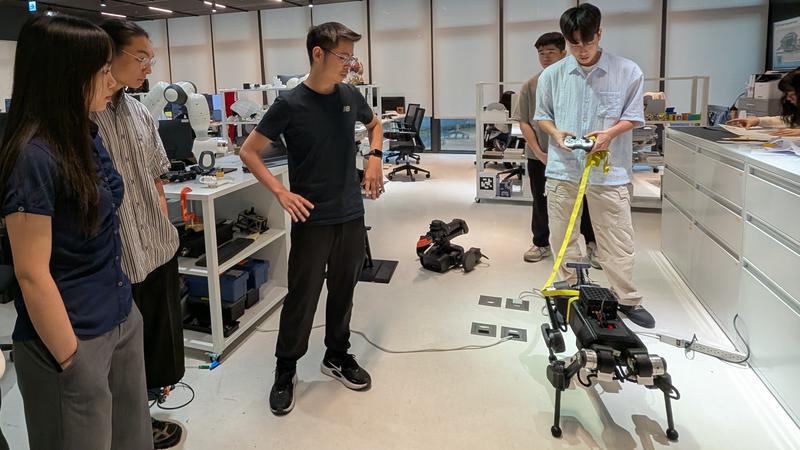
    Robots are beginning to appear in public spaces and shaping our cities, from delivery systems on sidewalks to machines that inspect infrastructure. Today, designing and programming robots typically requires specialist expertise. Learning FAIR aims to make those capabilities accessible to a much wid…

    MIT Media Lab