Camera Culture
Making the invisible visible–inside our bodies, around us, and beyond–for health, work, and connection
Making the invisible visible–inside our bodies, around us, and beyond–for health, work, and connection
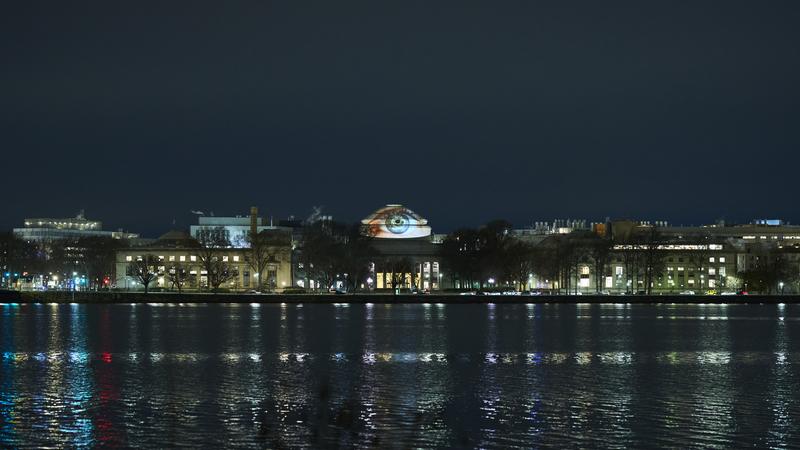
What if public buildings could share our dreams, and reveal our intimate expressions of struggle and triumph? Inspired by the motto per ardua ad astra—“through difficulties to the stars”—Gaze to the Stars transformed the MIT Great Dome into a living canvas of shared humanity. For three nights in Ma…
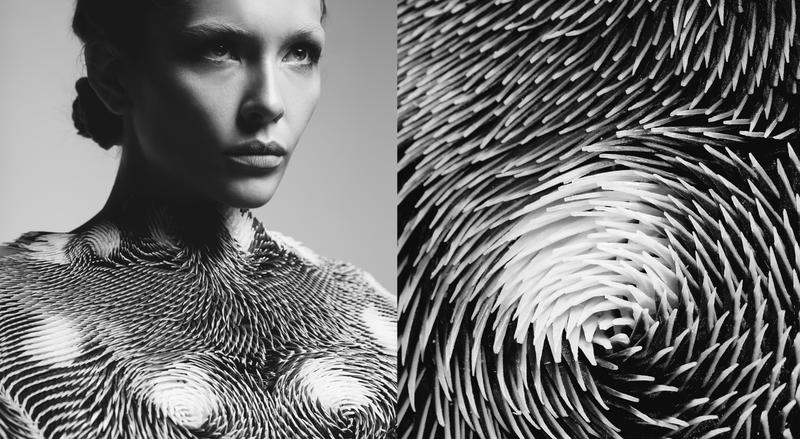
Designing across the scale, imagining a transformative future
Augmenting and mediating human experience, interaction, and perception with sensor networks
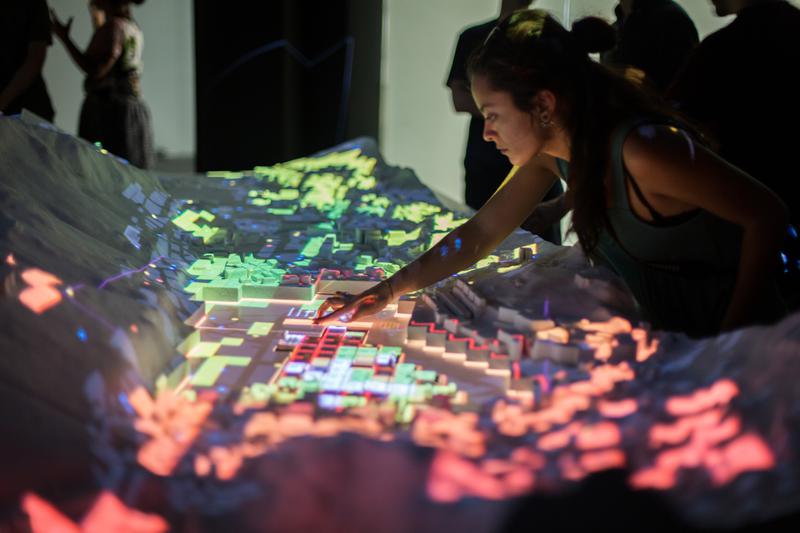
Looking beyond smart cities
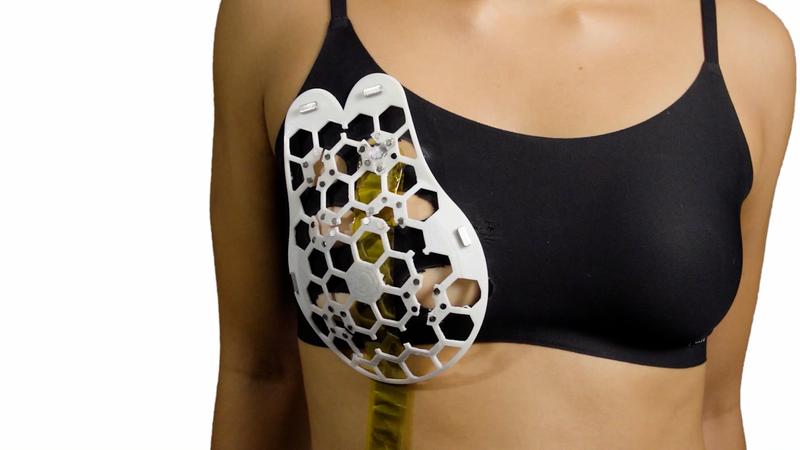
Ultrasound is widely used for tissue imaging such as breast cancer diagnosis; however, fundamental challenges limit its integration with wearable technologies, namely imaging over large-area curvilinear organs. We introduced a wearable, conformable ultrasound breast patch (c…
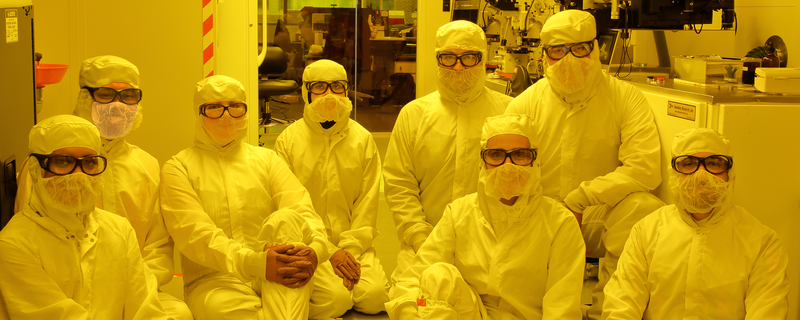
Converting the patterns of nature and the human body into beneficial signals and energy
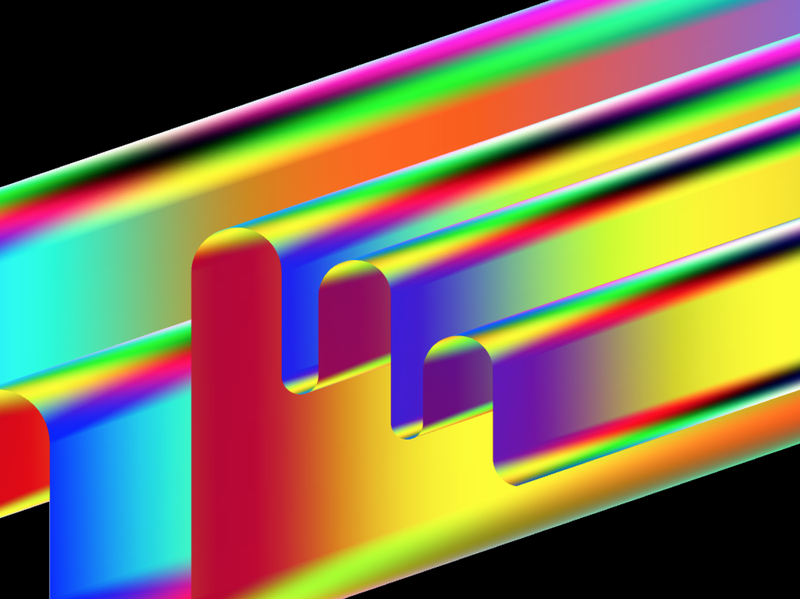
Exploring the essence of code as a creative medium
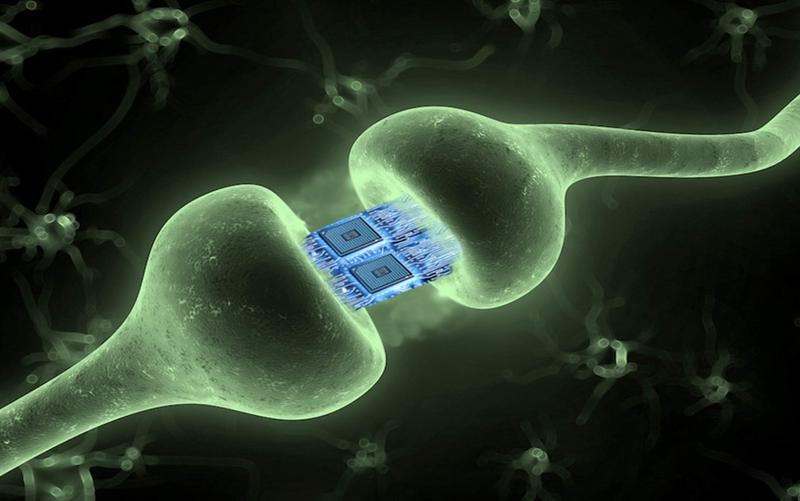
Inventing disruptive technologies for nanoelectronic devices and creating new paradigms for life-machine symbiosis
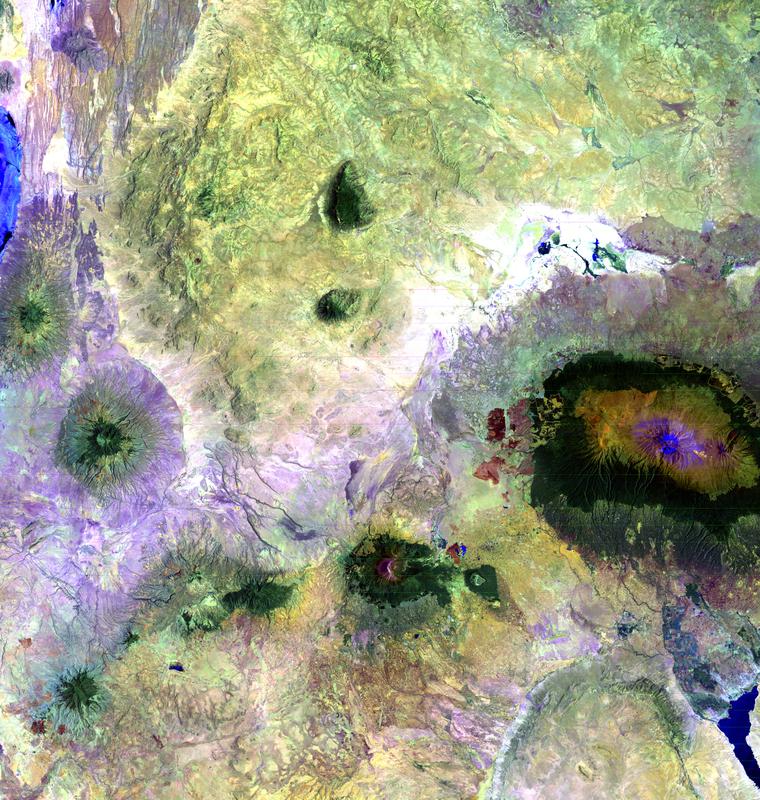
Advancing justice in Earth's complex systems using designs enabled by space
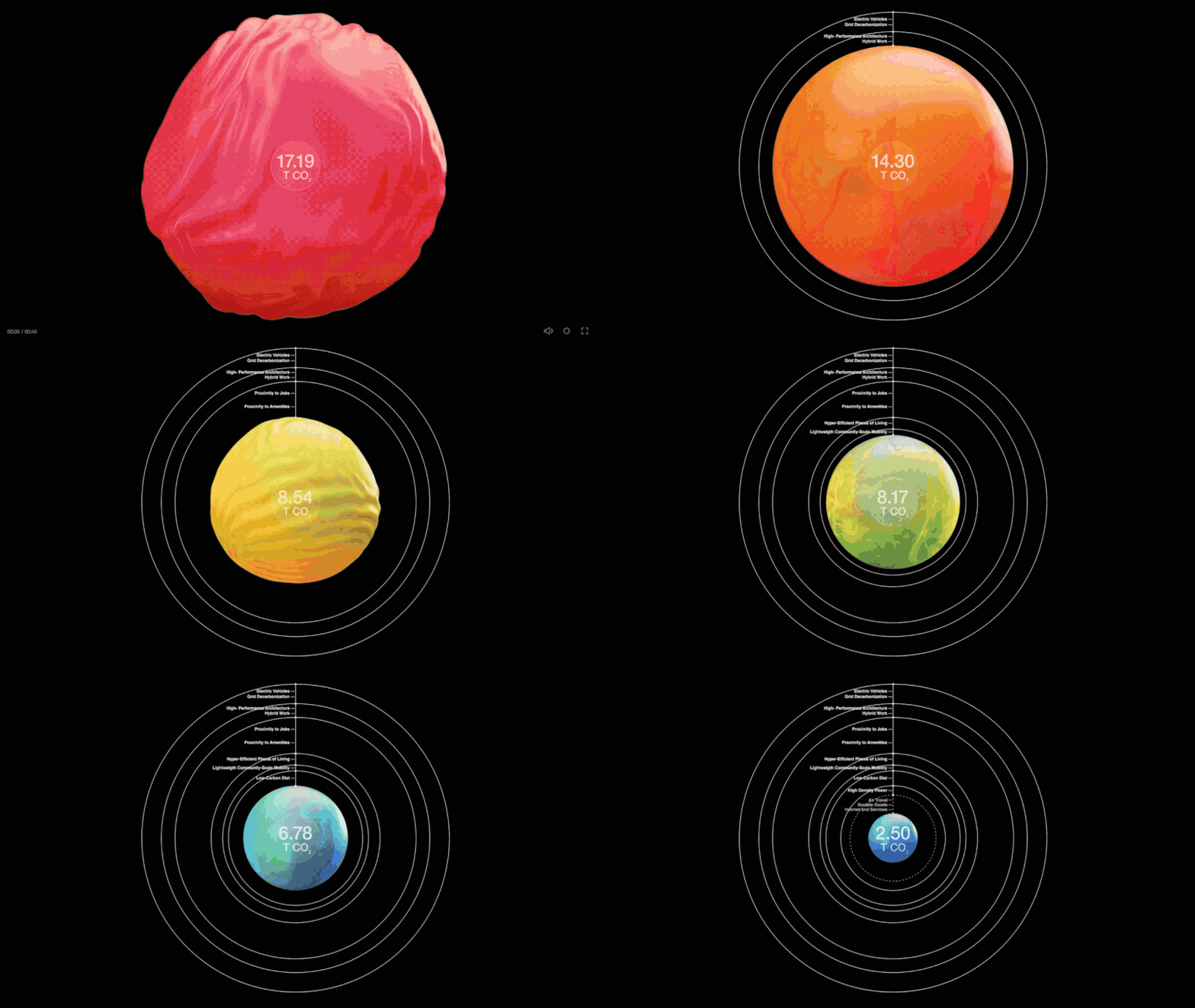
Urban areas are responsible for 70% of global GHG emission, and must play a central role in solutions to global warming. Using Kendall Square as a case study, this simulation shows how collective decisions can dramatically lower carbon emissions while improving the social and economic performance o…
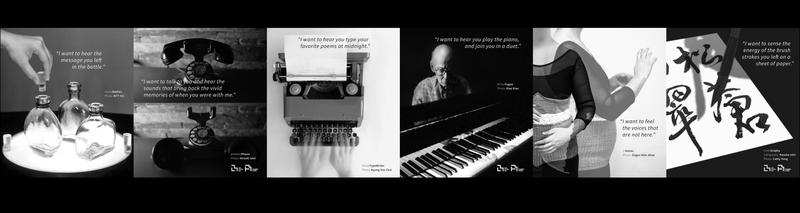
Invent new tangible and embodied interactions that inspire, engage, and connect people
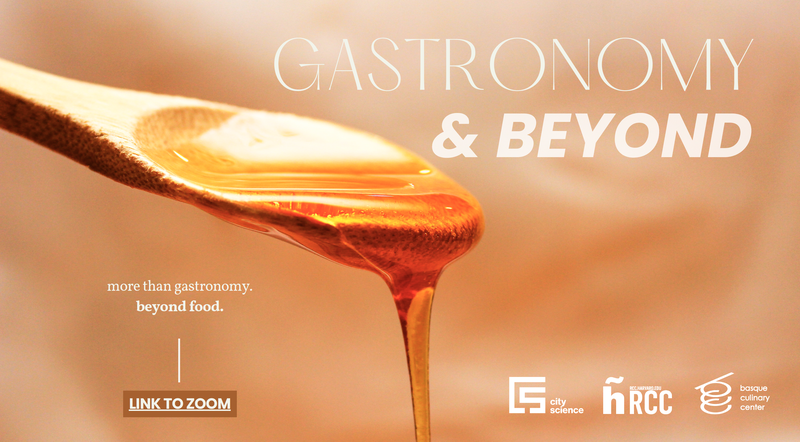
Our mission is to expand horizons, foster creativity, and explore a myriad of concepts. Gastronomy and Beyond is a collaboration between the MIT City Science Group and the Basque Culinary Center (BCC) exploring how food can transform cities. The project investigates the intersection of gastronomy, …
City Science researchers are developing a slew of tangible and digital platforms dedicated to solving spatial design and urban planning challenges. The tools range from simulations that quantify the impact of disruptive interventions in cities to communicable collaboration applications. We develop …
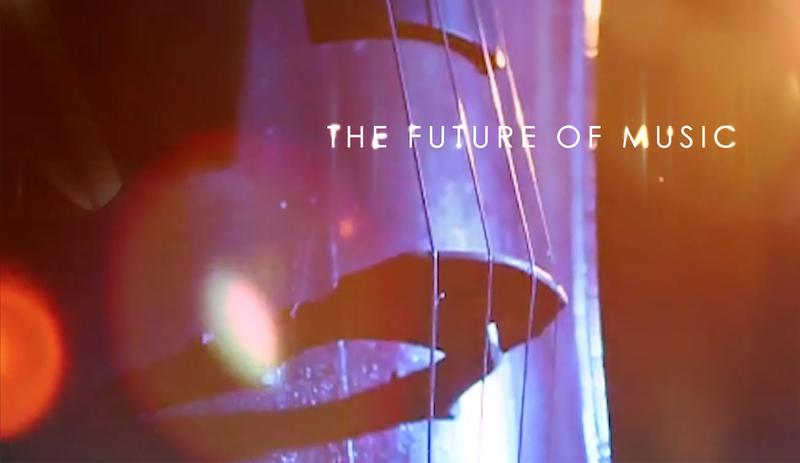
Exploring the future of music through AI, multisensory expression, creativity, and sonic healing.
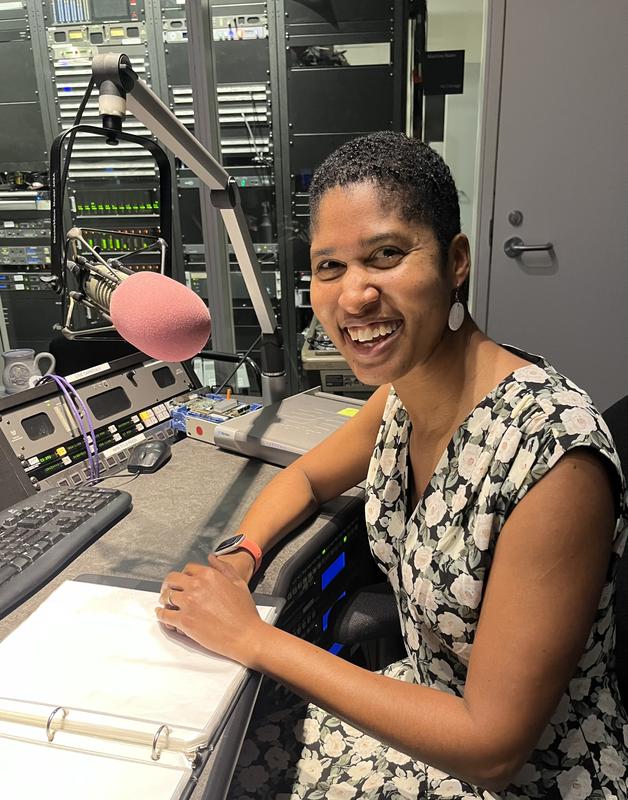
Danielle Wood joins WGBH's Curiosity Desk to discuss space debris, sustainability, and the future of responsible space design.
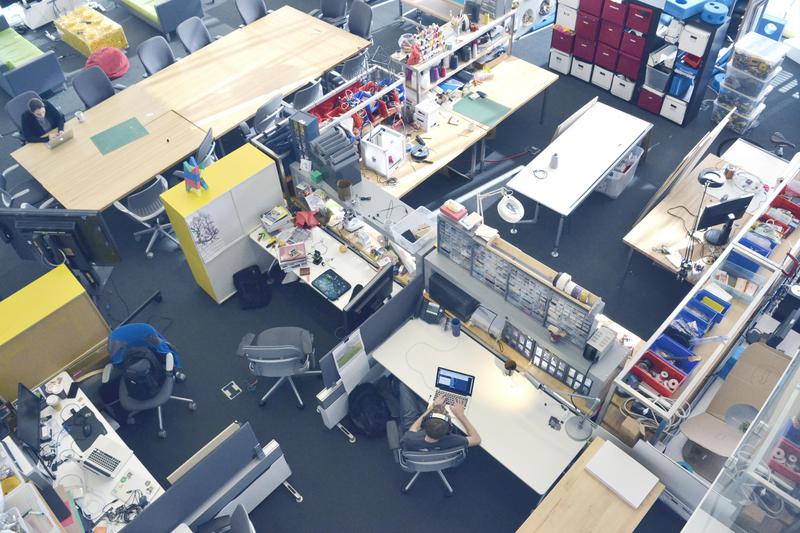
Engaging people in creative learning experiences
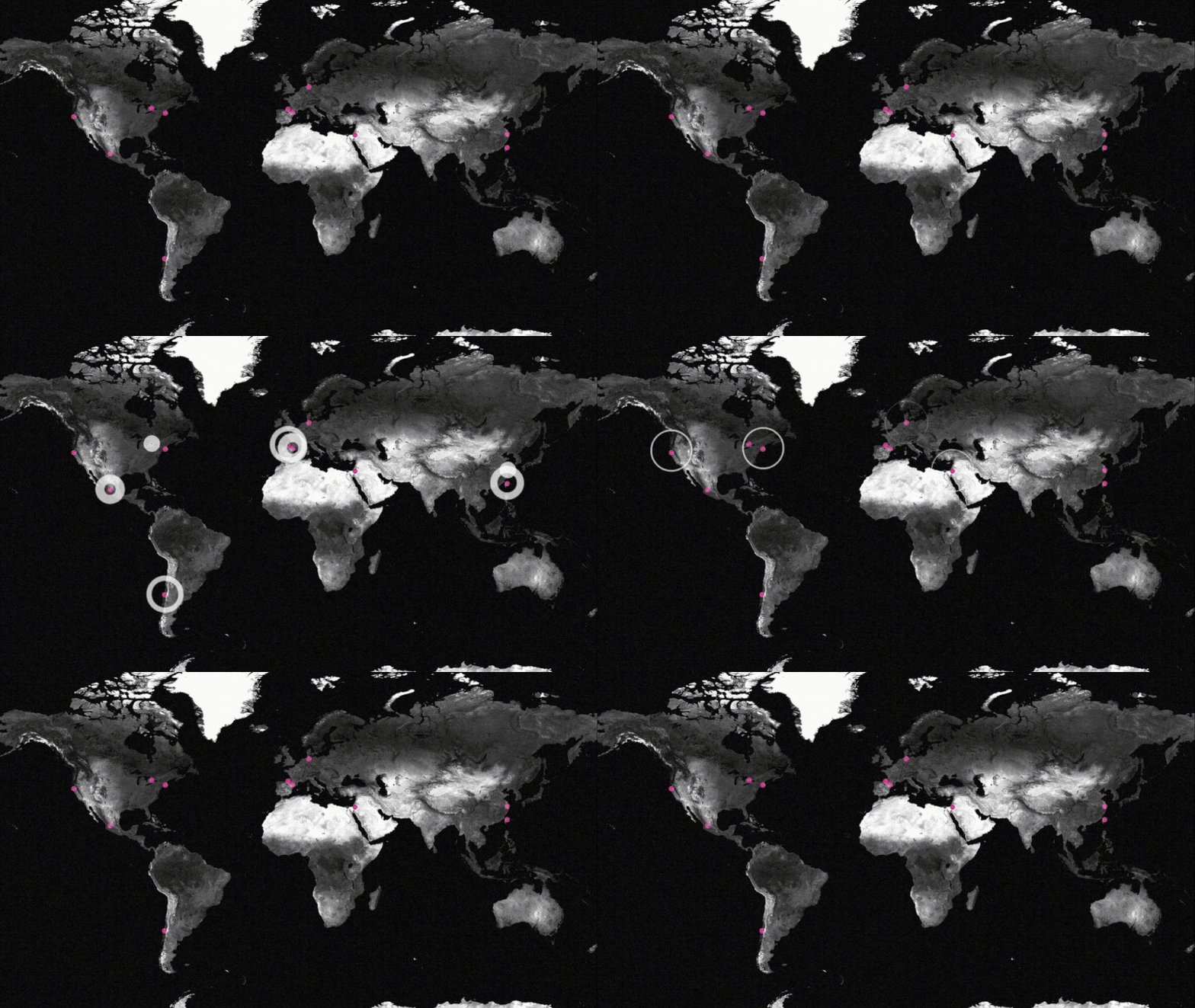
MIT City Science has developed an international network of cooperative City Science LabsFounded a decade ago, the City Science Network connects a growing constellation of sister labs around the world. These labs share a common framework for data analysis, design experimentation, simulation, and civ…
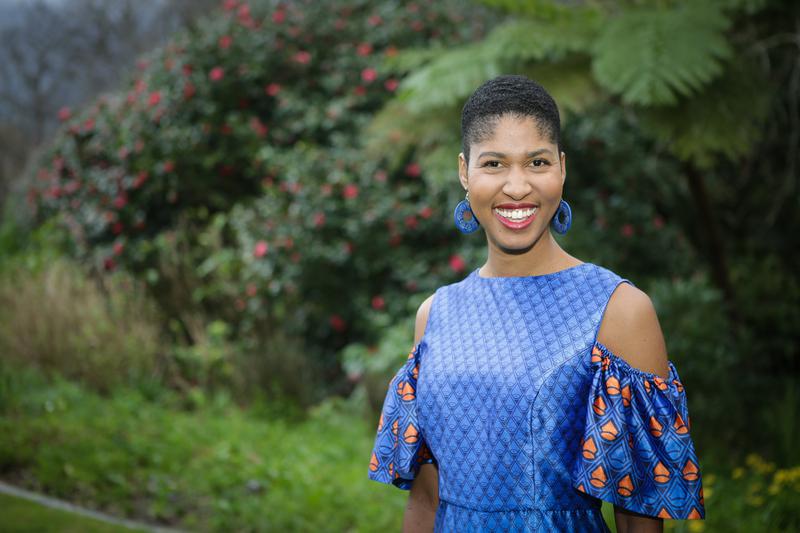
Danielle Wood receives the 2026 Paul Gray Faculty Award for Public Service for her work advancing equity through the Space Enabled group.
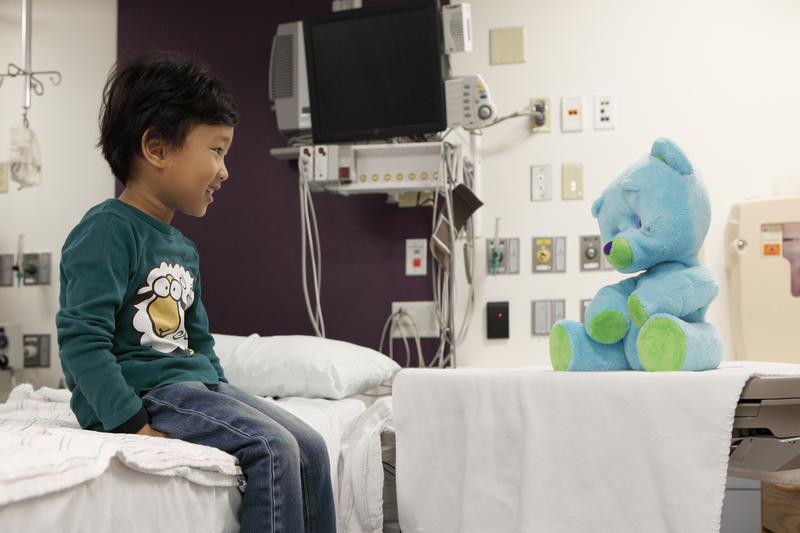
Building intelligent personified technologies that collaborate with people to help them learn, thrive, and flourish.
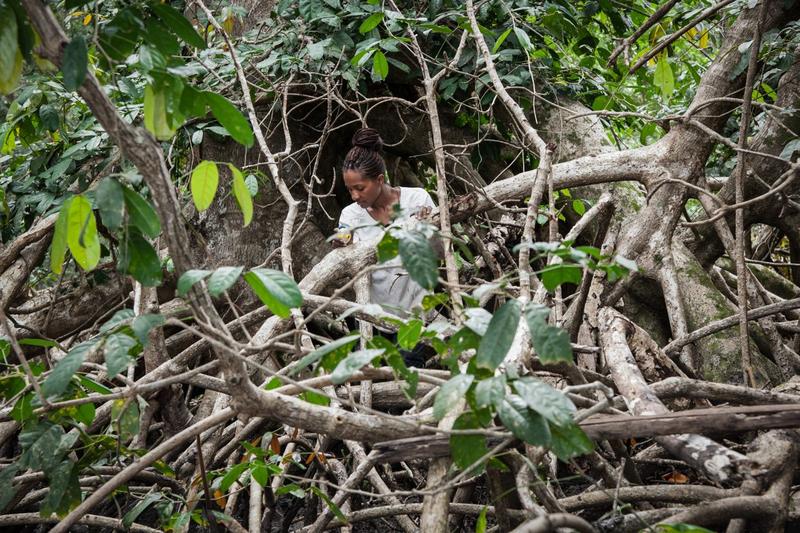
Dr. Lola Fatoyinbo of Space Enabled is named one of The Explorers Club 50 for 2026 in the Innovators category.
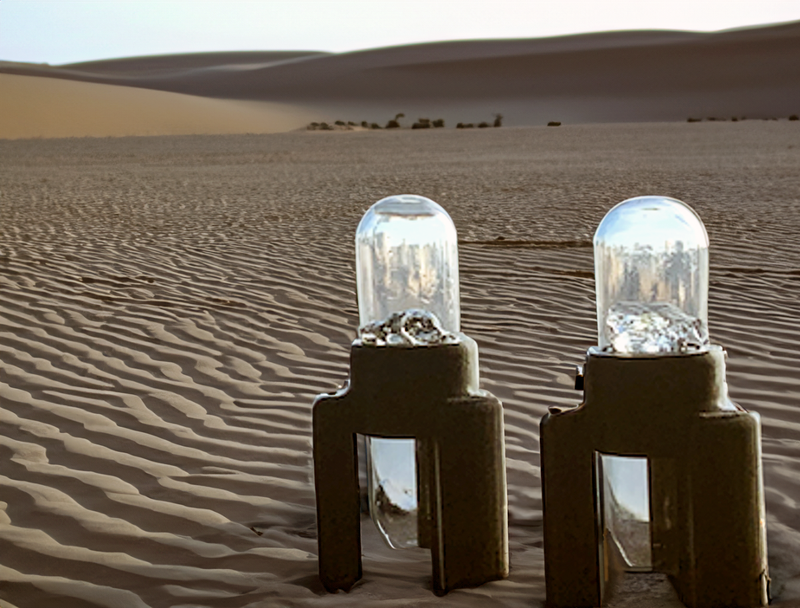
In arid climates, the atmosphere is a source of water, but its extraction is energy-prohibitive.Many countries have arid climates in significant parts of their territory, which severely inhibits their land development and creates harsh humanitarian conditions. Atmospheric water harvesting (AWH) te…

Media Lab alum Virj Kan is hoping to combat invasive purple sea urchins through a beautiful biomarble called Urchinite.

Decentralizing trust and disrupting power structures with cryptographic peer-to-peer exchange and distributed systems